 Quick Links
 Connect us

 Directors Databank (Empannel Yourself)
 Become a
  Become a
  Blog
Blog
 Become an Awards Assessor
 Publications
 Contact Us







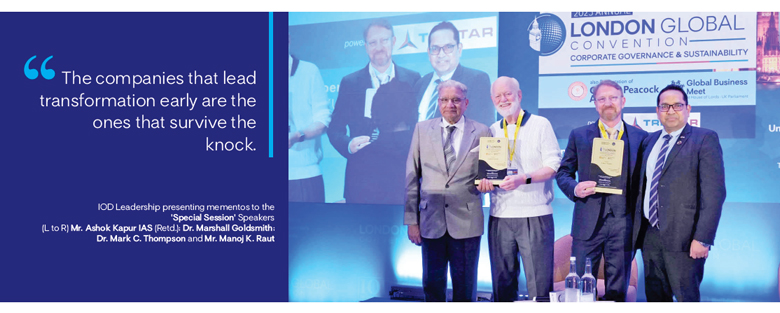
IOD Special Fireside Interactive Session-The Most Expensive and Risky Decision a Board Makes
By- Institute of Directors | Authored by- Dr. Mark C. Thompson | Dr. Marshall Goldsmith
Dec 15, 2025

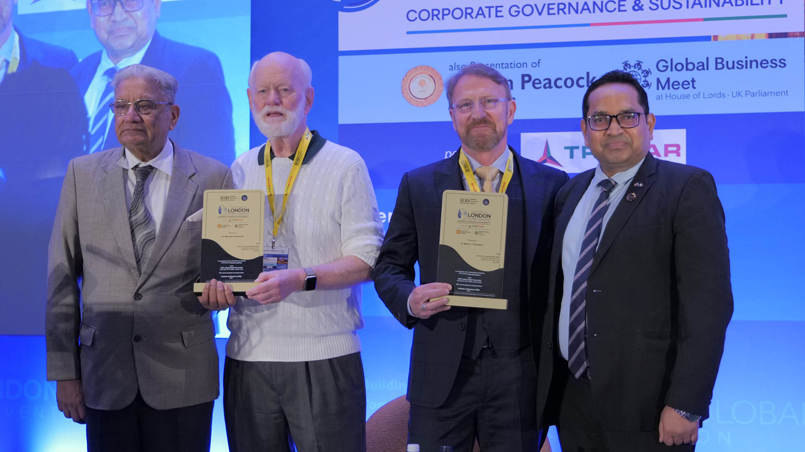
The Most Expensive and Risky Decision a Board Makes:
How Boards Select, Hire & Fire the CEO
Dr. Mark C. Thompson
Chairman & Founder
Chief Executive Alliance, USA
&
Dr. Marshall Goldsmith
Executive Coach, Leadership Thought Leader
#1 NYT Bestselling Author, USA
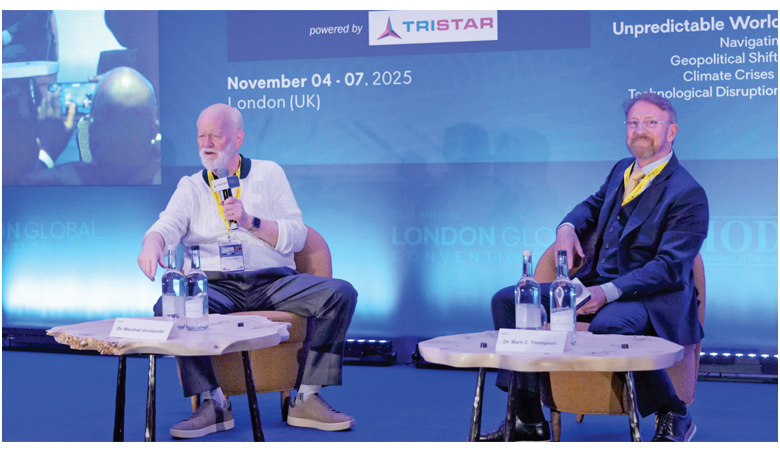
The plenary session, explored the realities shaping modern leadership. Both Dr. Thompson & Dr. Goldsmith examined the forces that are transforming today's boardrooms, the behavioural habits that undermine even the most capable executives and the new expectations that define the CEO's role. What unfolded was a candid conversation about power, humility, change and the courage required to lead before the crisis arrives.
Special Remarks by Dr. Mark C. Thompson
Theme: When the Warning Comes Too Late
Five years ago, the likelihood of a CEO losing their position because of activist pressure was around one in twenty. Today, it has risen to between fifteen and twenty per cent. I have seen first-hand how quickly the activist “knock on the door” can appear and how often it leads to abrupt exits not only for chief executives but for board members as well.
What distinguishes the organisations, is how they navigate this pressure, does it lead to their willingness to begin transformation? I often encourage companies to conduct what I call an “internal activist review”. We challenge ourselves to write the activist letter before someone else sends it. We elevate the strategic plan by asking uncomfortable questions. What would an activist demand that we fix today? What blind spots have we ignored? This exercise can be existential, but it is also constructive. It allows us to confront major issues such as employee engagement and leadership pipelines, long before they become crises. Increasingly, we track potential successors by how they lead their people. Engagement, influence and emotional maturity have become as important as financial results.
Theme: What Most Organisations Get Wrong
When I evaluate organisations on succession planning, I often find a surprising gap between perception and reality. Many companies insist they have a well-defined CEO succession plan. Yet when I ask to review it, only a small number can produce one. When I ask for evidence of leadership development, sponsorship or mobility planning, the number becomes even smaller.
Sometimes the “plan” is no more than a sentence. If Mark is hit by a bus, Marshall will step in. That is not succession planning. Real planning requires deliberate development, clear pipelines and a partnership between the CEO, the Chief People Officer and the executive team. It is not simply a contingency. It is a foundation for cultural continuity.
Special Remarks by Dr. Marshall Goldsmith
Theme: The Habit Every Leader Must Break
When I look at the greatest behavioural flaw among successful leaders, I often find the same pattern . It is, “the overwhelming desire to win too much.” If it is important, we want to win. If it is trivial, we still want to win. If it does not matter at all, we somehow still want to win anyway.
I often illustrate this with a simple scenario from everyday life. Your partner suggests going to a restaurant you did not choose. You agree, but once you arrive, you spend the entire evening criticising the service. Why? Because you did not get your way. Almost every leader I coach fails this test.
My advice is simple. Just stop. Enjoy the evening. This need to be right, damages relationships at home and undermines leadership at work. It signals insecurity more than authority.
Theme: When Leaders Should Say Nothing
There is another trap that leaders fall into. We feel compelled to improve every idea, even if only by five per cent. Yet this small correction often cuts the other person's ownership by fifty per cent. I always remind CEOs that a “suggestion” from them is rarely heard as a suggestion. It is heard as an instruction. Sometimes real leadership means saying, “That is an excellent idea” and stopping there.
I admire leaders like Allan Mulally, who would begin meetings by asking, “Is there someone here who can answer this better than me?” When the answer was yes, he let them speak. That behaviour requires confidence, not ego.
Theme: Accepting Who Really Holds Authority
I also emphasise two lessons that every leader must internalise.
First, we are not here to prove how intelligent we are. Yet many executives spend their careers attempting to do exactly that.
Second, every decision is made by the person who has the power to make the decision. Leaders waste tremendous energy resisting this truth. I once coached an executive who tried to persuade every board member individually after a unanimous vote went against him. Ten calls, ten attempts at convincing and no change to the outcome. The board had spoken. It was their decision to make.
Peter Drucker taught me long ago that the owners may not always be right, they may not always be reasonable, but they own the company. Their decision stands.
Theme: The Reason We Lead
I close our session with a reminder that is deeply meaningful to me. Every person in a position of influence has the ability to make a positive difference. We are not here to prove how bright we are or to win every argument. Our purpose is to help others succeed.
The future of leadership belongs to those who lead with humility, clarity and intention. When we focus on relationships rather than ego, we create the conditions for others to grow. That is what real leadership looks like.
CONCLUSION
Our dialogue reinforced a simple truth. Leadership today requires both structural foresight and behavioural depth. Activist pressures are increasing, stakeholder expectations are transforming and the emotional demands on leaders are higher than ever.
To lead effectively, we must embrace early transformation, accept power dynamics, invest in our people and resist the temptation to win when winning does not matter. These principles are not merely strategic. They are human.
They define the leaders who will thrive in a world that is changing faster than any era before.
This was followed by an interactive Q&A session.
 Back to Home
Authors
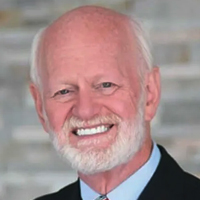
Dr. Marshall Goldsmith
Executive Coach, Leadership Thought Leader #1 NYT Bestselling Author, USA

Dr. Mark C. Thompson
Chairman & Founder - Chief Executive Alliance, USA
Owned by: Institute of Directors, India
Disclaimer: The opinions expressed in the articles/ stories are the personal opinions of the author. IOD/ Editor is not responsible for the accuracy, completeness, suitability, or validity of any information in those articles. The information, facts or opinions expressed in the articles/ speeches do not reflect the views of IOD/ Editor and IOD/ Editor does not assume any responsibility or liability for the same.