 Quick Links
 Connect us



 Directors Databank (Empannel Yourself)
 Become a
  Become a
  Blog
Blog
 Become an Awards Assessor
 Publications
 Contact Us






The modern boardroom has evolved from a compliance-focused forum into a strategic nerve centre where judgment, ethics, and long-term value creation intersect. Directors today must navigate complexities of geopolitical shifts, digital disruption, ESG expectations, and heightened stakeholder scrutiny-often amid uncertainty.
Read more
Companies often blame markets, competitors, or pricing pressures. But when we walk through the shop floor, review processes, and talk to the people doing the work, the real story emerges: inefficiencies, inconsistencies, and unmanaged variation quietly erode profits every day.
Read more
I'm working toward this role myself someday, and the more I study what independent directors do versus what they're supposed to do, the more I see a problem nobody talks about: You're supposed to watch over management, but management controls almost everything you know about the company.
Read more
Leadership exits, especially those that attract public attention, are among the most sensitive reputation events an organisation can face. They rarely remain confined to the individual. Almost instantly, they expand into questions around governance, culture, and oversight.
Read more
The phrase "corporate governance" often evokes images of board meetings, compliance checklists, and regulatory filings. For years, governance was viewed primarily as a mechanism to prevent fraud, protect minority shareholders, and ensure regulatory compliance. However, the events of the last decade have fundamentally altered this perception.
Read more
Authentic leadership is founded on staying true to one's values and principles while fostering genuine relationships with stakeholders. This style of leadership does not rely on authority or positional power; instead, it emphasises transparency, honesty, integrity, and ethical conduct. Authentic leaders build trust and create a culture where employees feel respected, valued, and empowered.
Read more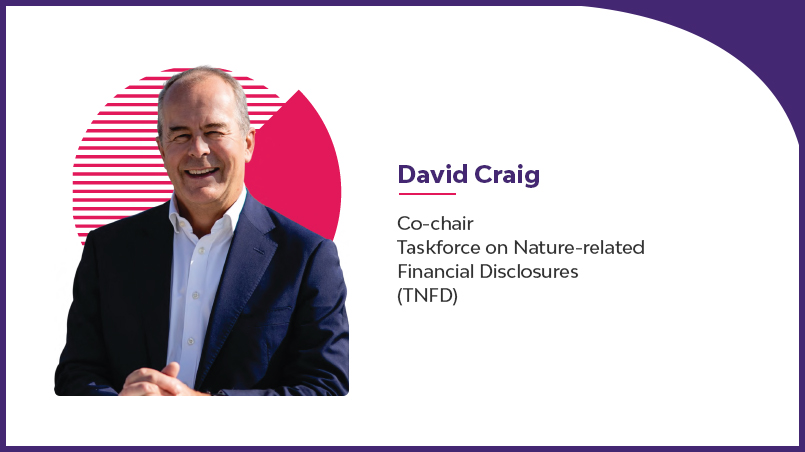
Over recent years, the World Economic Forum's annual Global Risks Report has identified sustainability-related risks, including 'Biodiversity loss and ecosystem collapse', 'Extreme weather events' and 'Critical change to Earth systems' as within the top ten most severe long-term risks (WEF 2026).
Read more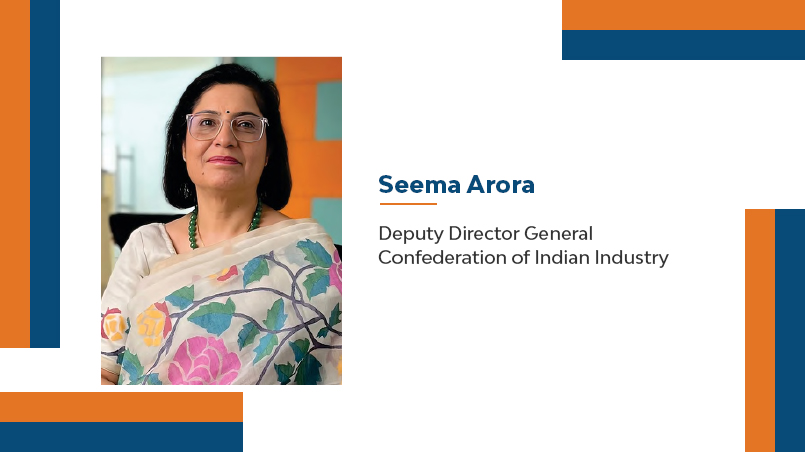
Sustainability has become an economic force that is deciding the direction of capital flows, shaping expansion plans and designing pivotal strategies. When a topic begins to influence investment decisions, trade terms, resource security and innovation, it stops being the last agenda item of the meeting and becomes the operating environment the company must navigate if it wants to grow
Read more
Business leaders today are navigating a convergence of challenges that would have been almost unimaginable just a decade ago. Climate change is increasing physical risks to infrastructure. supply chains and communities. Geopolitical fragmentation is reshaping value systems. and trade and investment patterns.
Read more
For decades, corporate governance has been aimed towards maximizing shareholder value, assessed almost exclusively through financial metrics. However, with the times changing, we see the business landscape evolving into one that operates under a social conscience.
Read moreCategories