 Quick Links
 Connect us

 Directors Databank (Empannel Yourself)
 Become a
  Become a
  Blog
Blog
 Become an Awards Assessor
 Publications
 Contact Us







A Report on 2025 National Convention on Leadership and Business Excellence in Gujarat

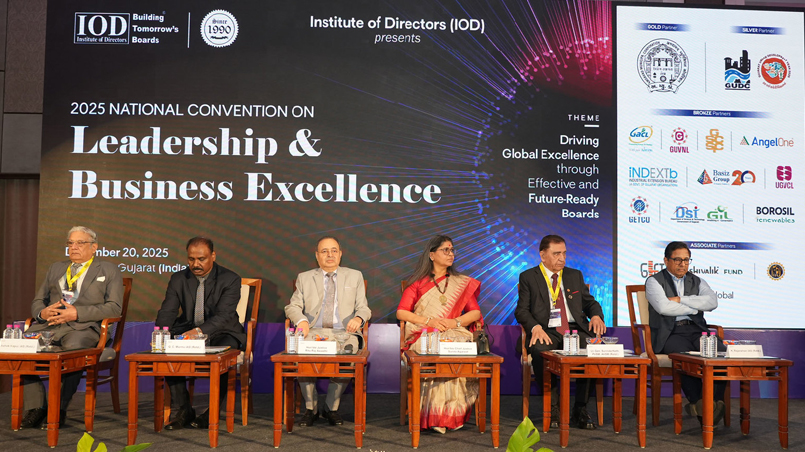
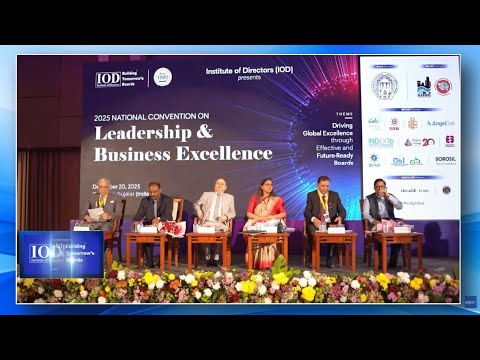
The Institute of Directors (IOD), India, marked a significant milestone in it's long journey by expanding into a new state formally inaugurating its presence in Gujarat through a landmark and momentous opening. This important development was commemorated through the National Convention on Leadership and Business Excellence, based on the theme 'Driving Global Excellence through Effective and Future Ready Boards'. The Convention was held at the Radisson GIFT City in Gandhinagar, Gujarat, on 20 December 2025. Set against the backdrop of GIFT City, India's largest and rapidly emerging global technology and financial hub. The Convention touched upon the challenges of contemporary board leadership in an increasingly complex global environment.
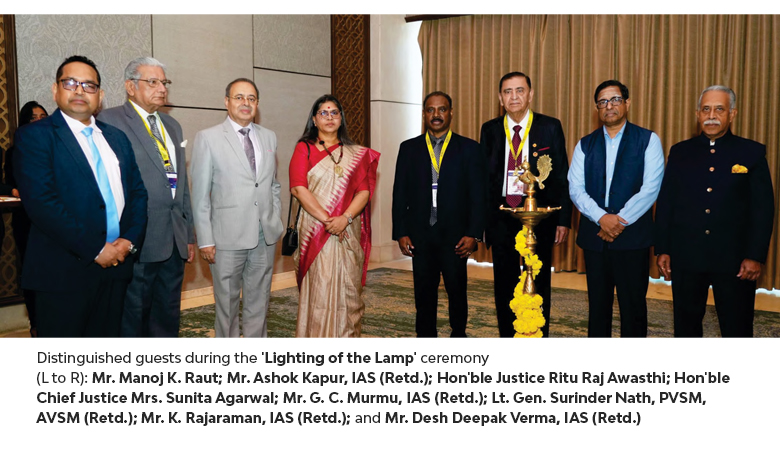
The Convention commenced with the traditional lighting of the lamp, symbolising wisdom and enlightened leadership, followed by a series of high-level deliberations.
The first-ever Gujarat Convention witnessed an impressive participation of over 200 delegates.
Bringing together eminent experts, leading industrial leaders, senior policymakers, and distinguished thought leaders from across the country. The presence of distinguished members of the Indian diaspora and the global business community added a valuable global dimension to the convention's deliberations.
The Event witnessed an illustrious line-up of dignitaries, including
• Hon'ble Justice Mrs. Sunita Agarwal
Chief Justice of the Gujarat High Court
• Mr. G. C. Murmu, IAS (Retd.)
former Comptroller and Auditor General of India
• Mr. K. Rajaraman, IAS (Retd.)
Chairperson of the International Financial Services Centres Authority (IFSCA).
The Convention also featured distinguished panel speakers and eminent personalities, drawn from public administration, industry, academia, and governance, contributing rich insights and diverse perspectives to the discussions, including
• Mr. G. R. Aloria, IAS (Retd.)
former Chief Secretary, Gujarat.
• Mr. Maheswar Sahu, IAS (Retd.)
former Additional Chief Secretary (Industries & Mines), Gujarat & Independent Director in multiple Boards
• Ms. Mona Khandhar, IAS
Principal Secretary & Chairman, Food, Civil Supplies & Consumer Affairs Department, Gujarat
• Mr. Malay Patel
Director, Eewa Engineering Co. Pvt. Ltd.
• Ms. Paridhi Adani
Partner, Cyril Amarchand Mangaldas
• Dr. Sanjeev K. Jha
Chief Process Officer, Borosil Renewables Ltd.
• Mr. Vijay Krishnamurthy
Managing Director & CEO, India International Exchange (IFSC) Ltd.
• Dr. Biswajit Roy
Director General, Gujarat Energy Research and Management Institute (GERMI)
• Mr. Neeraj Kulshrestha
Managing Director & CEO , NSE IFSC Clearing Corporation, GIFT City
• Mr. Ruchir Agarwal
Director (Finance), Mazagon Dock Shipbuilders Ltd., Ministry of Defence
• CA Aditya Sesh
Founder and Managing Director, Basiz Fund Service Private Ltd.
• Mr. Muralidharan Ramachandran
Director, Angel One Ltd.
• Mr. Piyush Kothari
Executive Director & CEO, Shivalik Investment Fund Pvt. Ltd.
• Mr. Sandeep Kumar Gupta
Chairman and Managing Director, GAIL (India) Limited
• Dr. V. Sridhar
SGM - Cooperative Services, National Dairy, Development Board (NDDB)
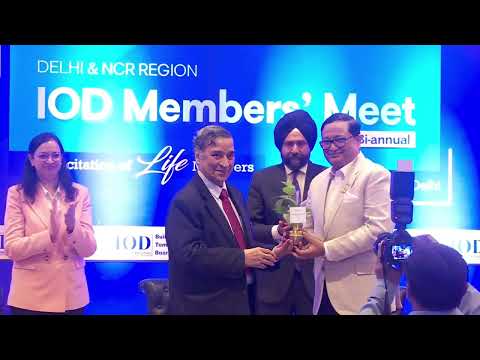
The event also featured a Members' Meet, during which IOD Life Members were felicitated in recognition of their contributions.
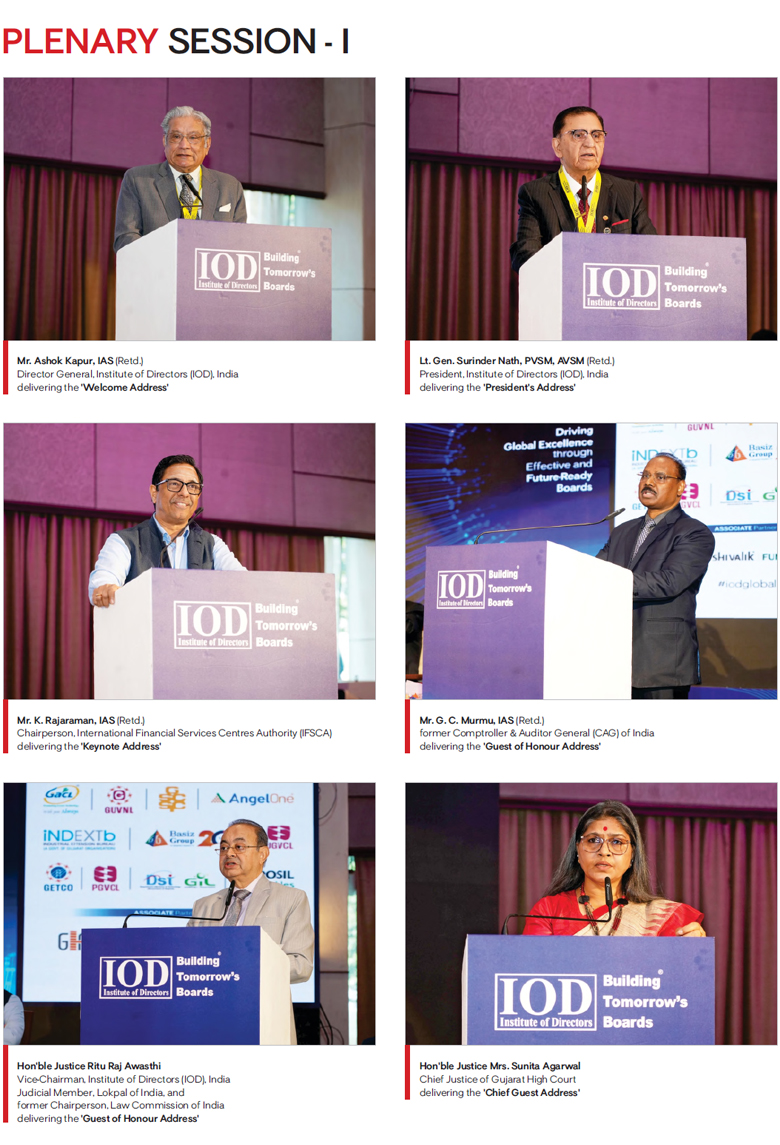
PLENARY SESSION - I
INAUGURAL SESSION
The 'Welcome Address' was delivered by:
Mr. Ashok Kapur, IAS (Retd.)
Director General
Institute of Director (IOD), India
Mr. Kapur extended a warm welcome to the august gathering of eminent leaders, speakers, guests and delegates who joined the first ever National Convention of IOD in the GIFT City, Gujarat, an ideal setting for meaningful dialogue on leadership and governance and represented a compelling convergence of policy vision, market participation, and institutional excellence. Mr. Kapur emphasised on the thought that business excellence in the contemporary context extends well beyond financial performance, placing boards at the very heart of strategy, organisational culture, and long-term value creation. Against a global backdrop shaped by VUCA (Volatility, Uncertainty, Complexity, and Ambiguity), he highlighted the importance of integrated, accountable, and a forward-looking leadership. He also highlighted that the Convention's programme was carefully designed to explore the key challenges faced by boards today, including heightened geopolitical risks, ESG and sustainability, digital governance, artificial intelligence, board diversity, climate action, and the ever-evolving & demanding role of independent directors.
It was followed by the 'President's Address' delivered by:
Lt. Gen. Surinder Nath, PVSM, AVSM (Retd.)
President , Institute of Directors (IOD), India
Lt. Gen. Nath extended a warm welcome to the distinguished dignitaries, corporate leaders, policymakers, academics, and members of the Institute of Directors gathered for the occasion. He stated that this national initiative of IOD highlights the increasing need for a credible platform in India to discuss business excellence amid a rapidly changing global environment. Drawing attention to the realignment of geopolitical forces, shifting economic priorities, disrupted supply-chains, and accelerating technological changes, Lt. Gen. Nath remarked that contemporary leadership must respond with foresight, balance, and responsibility. He emphasised that Business Excellence today transcends financial performance, encompassing ethical leadership, ESG integration, digital governance, climate accountability, and long-term value creation. Highlighting India's aspiration to emerge as a leading global economic power, he underlined the pivotal role of proactive, inclusive, and future ready boards in navigating this transition.
This was followed by the 'Keynote Address' delivered by:
Mr. K. Rajaraman, IAS (Retd.)
Chairperson, International Financial Services Centres Authority (IFSCA)
Mr. Rajaraman underscored the critical role of futureready boards in advancing India's global economic aspirations, aligned with the vision of Viksit Bharat 2047. He noted that artificial intelligence, climate imperatives, and rising stakeholder expectations are redefining corporate responsibility and boardroom priorities. In this evolving environment, boards are no longer limited to compliance and oversight; they function as Strategic Nerve Centres, expected to anticipate risks, guide longterm value creation, and align corporate purpose with societal needs. The speaker further emphasised the growing importance of independent, diverse, and skilled boards, capable of addressing ESG responsibilities, technology risks, and geopolitical uncertainty. Drawing from global experience and India's IFSC at GIFT City, he stressed that governance excellence builds trust, investor confidence, and sustainable growth. Concluding, he called for boards that are values-driven, strategically agile, and globally benchmarked, positioning India for responsible and inclusive global leadership.
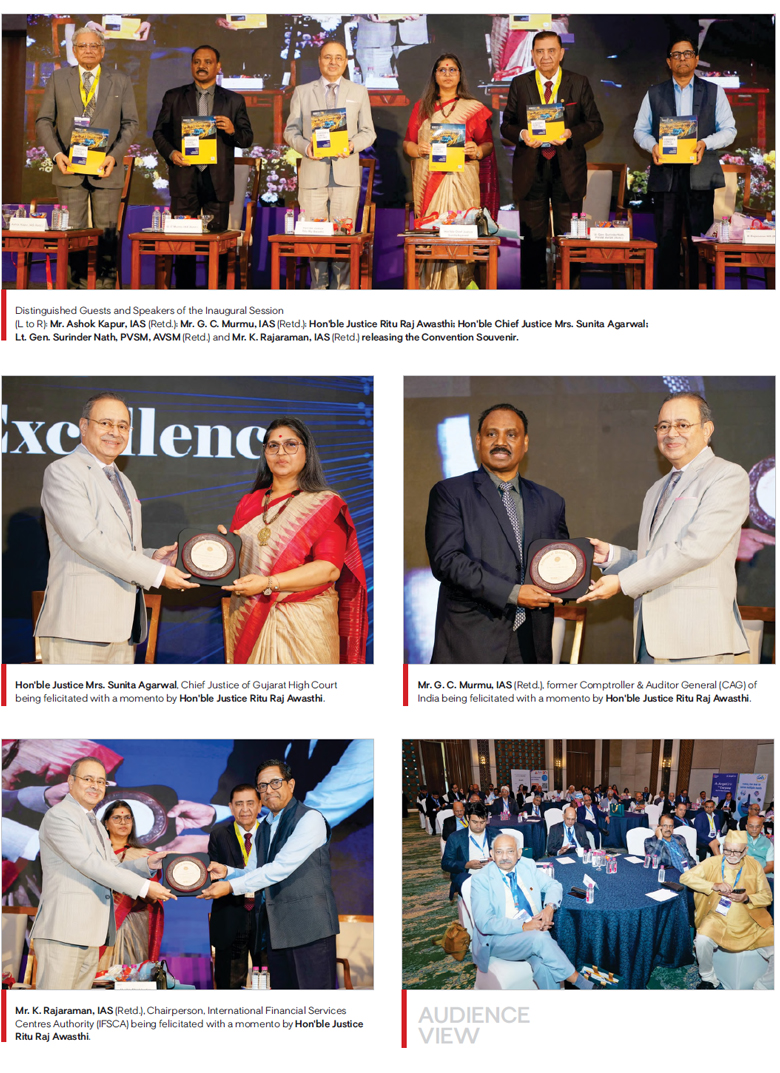
This was followed by the 'Guest of Honour Address' delivered by:
1. Mr. G. C. Murmu, IAS (Retd.)
former Comptroller & Auditor General (CAG) of India
2. Hon'ble Justice Ritu Raj Awasthi
Vice-Chairman, Institute of Directors (IOD), India
Judicial Member, Lokpal of India and former Chairperson, Law Commission of India
Mr. Murmu extended his warm greetings to the participants, noting that their presence reflected a shared commitment to elevating the governance standards and building resilient, ethical, and globally competitive institutions. He commended the event theme, and its alignment with India's aspiration to emerge as a leading global economy and financial power under the vision of Viksit Bharat 2047. He emphasised that boards are no longer ceremonial or supervisory bodies, but strategic nerve centres of organisations, in this unprecedented world. Effective boards, he stated, must anticipate risks, guide long term value creation, and align corporate purpose with societal expectations. Drawing from global experience, he noted that institutions navigating disruption successfully are anchored by strong, independent, informed, and future ready boards, making governance excellence a foundational imperative for sustainable growth.
Justice Awasthi expressed his appreciation to the Institute of Directors for hosting its first landmark edition of the Convention in Gujarat, describing the choice of location as both symbolic and strategic. He observed that Gujarat has long stood at the confluence of enterprise and institutional discipline, while GIFT City represents one of India's most ambitious financial innovations, steadily positioning itself among leading global financial centres. Reflecting on IOD's contribution, Justice Awasthi noted that over the decades the organisation has evolved into one of India's most influential platforms for advancing board level leadership and corporate purpose. Its work, he remarked, has consistently reinforced the view that governance must extend beyond compliance to stewardship, long term value creation and alignment with societal good. He further highlighted that through education, certification and global engagement, the Institute has encouraged boards to anticipate the future and act responsibly. In the context of India's rapid economic and institutional transformation, he underscored that the role of boards has never been more critical, with effective governance remaining indispensable to resilience, trust and sustainable national progress.
The 'Chief Guest Address' of the event was delivered by:
Hon'ble Justice Mrs. Sunita Agarwal
Chief Justice of Gujarat High Court
Justice Agarwal emphasised that institutions are judged by the consistency of their service rather than the volume of their voice. Her address highlighted IOD's quiet yet lasting influence on boardroom leadership across the country. Speaking from a judicial background, she drew thoughtful parallels between constitutional institutions and corporations, describing both as bodies of trust whose legitimacy rests on sound governance. She further underscored that while power is inevitable, wisdom lies in how it is exercised. In an era where excellence is global, risk complex, and failure unforgiving, boards were described as critical spaces of leadership rather than mere compliance mechanisms. Highlighting the importance of independence of thought and constructive dissent, the speaker noted that effective boards are defined by courage, intellectual humility, and long-term vision. Governance, as she observed, is ultimately a moral exercise grounded in trust, culture, and restraint. Her address concluded by reaffirming that future ready boards do not seek visibility but earn credibility through principled stewardship and responsible leadership.
It was followed by the release of the Convention Souvenir 2025, by the assembled dignitaries on the stage.
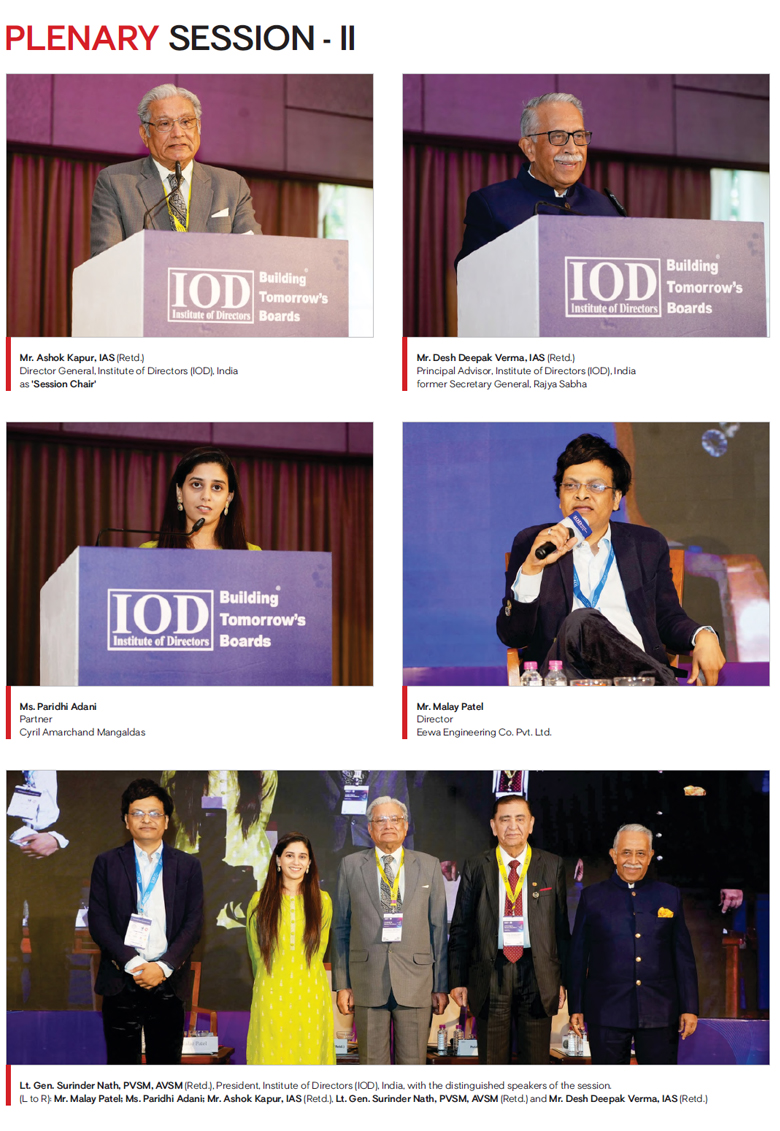
PLENARY SESSION - II
LEVERAGING INTERNATIONAL ALLIANCES TO SCALE UP GOVERNANCE EXCELLENCE WORLDWIDE
The Session was Chaired by:
Mr. Ashok Kapur, IAS (Retd.)
Director General
Institute of Directors (IOD), India
Mr. Kapur highlighted the inevitability of international alliances in addressing Sustainability and Climate Governance, noting that the scale and complexity of these challenges demand a coordinated global action. Recalling the landmark Brundtland Report, 1987, which laid the foundation for the global environmental movements and later evolved into the Conference of Parties (COP) process, he highlighted how climate action has emerged as one of the most pressing challenges before governments, institutions, and boards worldwide. He also drew attention towards the Companies Act of 2013, which embedded environmental responsibility within board duties, reinforcing the principle that sustainability is now central to Corporate Governance. Emphasising that climate change transcends national boundaries, he commended the United Nations for its consistent efforts in fostering international cooperation among boards, regulators, and governments. Sustainability, he argued, has a direct bearing on economic growth, social stability, and long-term resilience. Against this backdrop, he emphasised the importance of providing boards with an international perspective on governance and climate
The Session had the following distinguished speakers:
1. Mr. Desh Deepak Verma, IAS (Retd.)
Principal Advisor, Institute of Directors (IOD), India
former Secretary General, Rajya Sabha
2. Ms. Paridhi Adani
Partner
Cyrill Amarchand Mangaldas
3. Mr. Malay Patel
Director
Eewa Engineering Co. Pvt. Ltd.
Mr. Verma reflected on India's post-liberalisation journey, recalling the 1990s ethos of “think global and act local.” He observed that, three to four decades later, this philosophy has evolved into “think global and act global,” shaped by an era increasingly defined by technical, financial, and strategic alliances. He emphasised on the growing need to prepare boards and senior management to operate within international frameworks and cultural expectations. Drawing on his experience as a board member of multiple companies, he further drew attention to India's ‘regulatory challenges’, which he noted remains in a transitional phase and must continue to align more closely with industry priorities. Regulators must remain sensitive to industry realities, while industry must recognise that regulatory constraints are designed for the wider interest of society. In this regard, ESG and climate considerations are becoming increasingly central, particularly for organisations engaged in international collaborations. He concluded by highlighting India's reliance on overseas jurisdictions for International Mediation & Arbitration and stressed the need for urgent domestic capacity building through stronger institutional and private-sector frameworks.
Ms. Adani highlighted the significance of convening in India's international gateway, where the vision of global connectivity is increasingly taking shape. She noted that the theme of the dialogue was timely, as international access can truly advance governance excellence only when anchored in strong institutional frameworks. While global partnerships open doors to capital, technology, and talent, she emphasised that their success ultimately rests on robust governance systems. In an increasingly fragmented and uncertain global environment, governance, she observed, serves as the unseen framework that sustains partnerships through clear rules, accountability, and trust. She further underscored that sovereignty today should be viewed not as isolation, but as confident global engagement supported by effective boards and regulators. Highlighting the rapid cross-border movement of capital, data, and risk, she stressed that leadership must go beyond compliance to actively shaping systems. She concluded with a thought that Governance has become a Competitive Capability, requiring boards and regulators to work together to build resilient, credible, and future-ready economic ecosystems.
Mr. Patel reflected on his professional journey, which spans both through corporate leadership and diplomatic engagement. Drawing from his experience of managing a family enterprise in San Diego and serving in an ambassadorial capacity for over a decade, he offered a perspective shaped by sustained engagement with western markets and institutions. Having lived and worked in the United States for nearly ten years, he noted that operating in fully developed economies is itself a demanding journey, marked by regulatory complexity, intense competition, and constant adaptation. He observed that the coming decade will look markedly different from the present, particularly as AI and Machine Learning will be deeply embedded in every business decision making and operational models. Organisations, he suggested, must prepare now for this transition, recognising that scale adaptability, and technological readiness will define future competitiveness. Concluding his remarks, he expressed optimism about the future and appreciation for the opportunity to engage with the audience, underscoring the value of dialogue and shared learning as businesses and institutions navigate a rapidly transforming global landscape.
This was followed by an Interactive Q&A session with the Audience.
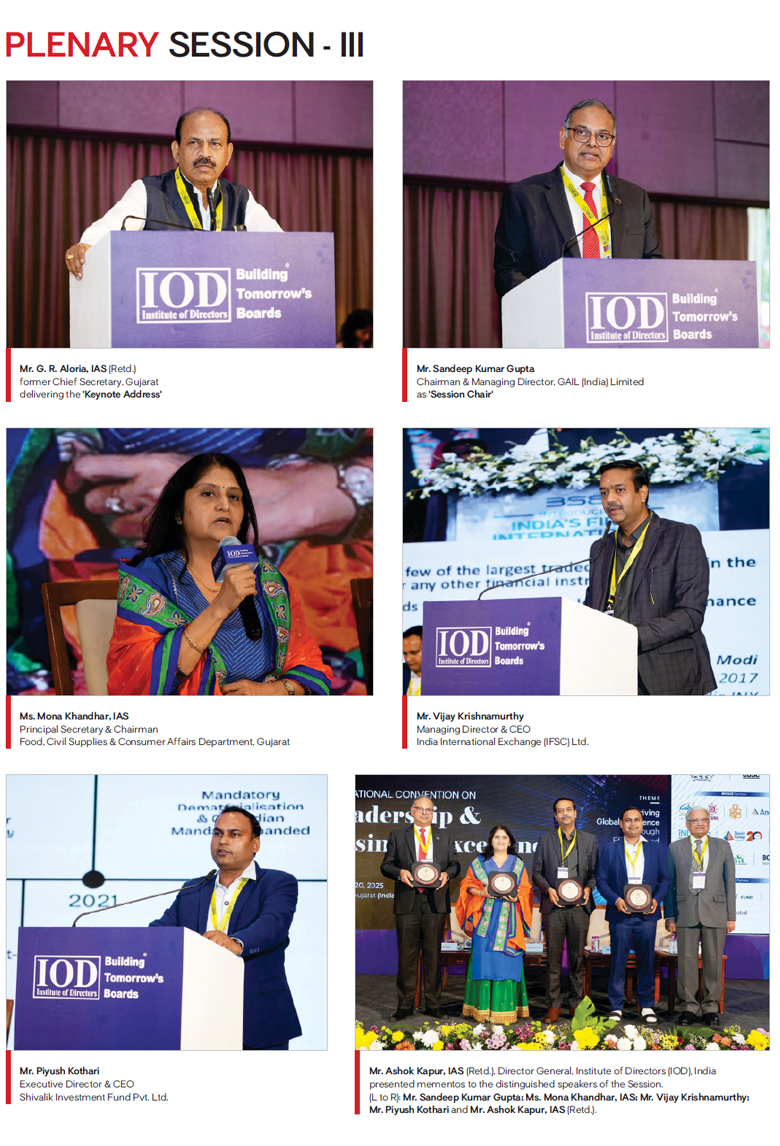
PLENARY SESSION - III
GOVERNANCE EXCELLENCE AS A FOUNDATION FOR INCLUSIVE AND SUSTAINABLE PROGRESS
A special ‘Keynote Address’ was delivered on the session theme by:
Mr. G. R. Aloria, IAS (Retd.)
former Chief Secretary, Gujarat
Mr. Aloria reflected on the profound transformation of governance over the years. Contemporary governance, he noted, is expected to be swift, responsive, and acutely aware of citizens' evolving demands. While technological advancements, improved infrastructure, enhanced communication systems, and the rise of paragovernmental institutions have made governance more accessible, they have also made it more complex. This complexity is further amplified by a borderless world, where geographical and physical boundaries and both public and private boundaries are increasingly blurred and nearly invisible. Defining Good Governance, the speaker underscored the primacy of the Rule of Law, stressing that equitable treatment and equal access to government institutions are essential for development. He further highlighted the need for robust institutions, supported by transparent and efficient processes, as the foundation of sustainable development. He observed that predictable and credible policies are essential to building public trust and attracting investment, while also reflecting citizens' expectations and balancing environmental priorities with national efficiency.
The Session was Chaired by:
Mr. Sandeep Kumar Gupta
Chairman and Managing Director
GAIL (India) Limited
Mr. Gupta noted that governance is fundamentally about the quality of leadership, ethical conduct, and strategic effectiveness. Excellence, he remarked, is not a singular act but a sustained habit, deeply embedded in robust governance frameworks. The integrity of leadership, coupled with strong governance structures, forms the golden thread that binds successful enterprises together. Highlighting the current era of 'Permacrisis', which according to him is marked by disrupted global trade routes and volatile energy markets, he stressed that risks are no longer predictable. Governance excellence therefore serves as a guiding North Star, enabling organisations to shift from reactive responses to proactive resilience. He outlined three essential pillars of sustainable progress:
• Innovation, encompassing both products and processes;
• Governance, grounded in transparency and ethical oversight; and
• Sustainability, recognising that long-term value creation is impossible without environmental and social responsibility.
Governance, according to him should ensure that innovation does not descend into recklessness and that sustainability transcends mere greenwashing. Trust, earned through consistent governance, ultimately transforms compliance from a cost centre into a powerful creator of long-term value.
The Session had the following distinguished speakers:
1. Ms. Mona Khandhar, IAS
Principal Secretary & Chairman
Food Civil Supplies & Consumer Affairs Department, Gujarat
2. Mr. Vijay Krishnamurthy
Managing Director & CEO
India International Exchange (IFSC) Ltd.
3. Mr. Piyush Kothari
Executive Director & CEO
Shivalik Investment Fund Pvt. Ltd.
Ms. Khandhar reflected on a pivotal assignment during her tenure as Housing Commissioner and Chairperson of the Gujarat Housing Board, a government body that was, at the time, among the most indebted and widely criticised for its lack of transparency. With the growing urgency of the affordable housing agenda, the Housing Board was reconstituted. She outlined the comprehensive reforms introduced, beginning with a complete overhaul of the Request for Proposal (RFP) process, from a prequalification- based model to an Engineering, Procurement Construction (EPC) framework alongside the adoption of technology-neutral construction practices. Robust policy frameworks were established for housing redevelopment, government townships, and affordable housing delivery. The success of these reforms was measured against a clear benchmark: public housing schemes should compel the private sector to lower prices while improving quality. The outcomes, she noted, validated this approach. Turning to her current role overseeing the food and supply chain, she highlighted the importance of process efficiency, digitisation, and Information and Communication Teachnology (ICT) driven transparency. The integration of AI, Digital Tracking, and proposed Digital Currency-based food coupons has strengthened delivery mechanisms. She concluded by citing Gujarat's successful implementation of the Bharat Net Phase II as a compelling example of innovation-led and technology integrated governance.
Mr. Krishnamurthy, outlined the critical importance of governance from a Capital Market's perspective, particularly within international jurisdictions that must adhere to global regulations and standards. Introducing the organisation, he highlighted that INDIA INX which was established with a dual vision:
• to emerge as a price setter for some of the world's most actively traded instruments, and
• to enable companies across Asia, Africa, and Europe to raise capital from a leading international financial centre.
Emphasising the relevance of governance within the GIFT IFSC, he noted that the exchange works closely with global financial markets, asset managers, and international investors amid heightened volatility and geopolitical risk. He further explained that the IFSC has aligned its regulatory standards with some of the best global practices through periodically updated and transparent regulations. Highlighting the uniqueness of GIFT IFSC, he pointed to its unified Regulatory Structure, Globally Benchmarked Tax Regimes, and Light-Touch Regulations. He also underscored INDIA INX's global reach, extensive product offerings, leadership in debt markets, 22-hour trading window, and strong focus on green and sustainable finance through international partnerships, including with the Luxembourg Stock Exchange.
Mr. Kothari commenced his address by positioning governance excellence as the foundation for inclusive and sustainable progress within the Alternative Investment Fund (AIF) ecosystem. Reflecting on the evolution of India's real estate sector, he emphasised that governance should not be viewed as a constraint on capital, but as a structure that safeguards and strengthens it. Tracing the sector's transformation, he noted that the 100% liberalisation of FDI around 2005 catalysed the growth of organised real estate in India. Over the subsequent two decades, regulatory interventions like the introduction of Real Estate Regulatory Authority (RERA) have brought much-needed transparency and discipline to an industry that was previously fragmented and loosely governed. Highlighting the AIF industry's evolution since the introduction of regulations in 2012, he noted that SEBI's progressive strengthening of norms has expanded participation, enabling even smaller investors to engage meaningfully through a well-regulated and inclusive ecosystem. Liberalisation, he added, has enhanced accountability amongst fund managers while reinforcing trust. He also stressed on the importance of investor awareness around underlying assets and emphasised the sector's responsibility to professionalise the industry by nurturing talent and institutional capacity within what was once a largely unorganised ecosystem.
This was followed by an interactive Q&A session with the Audience and a Networking Lunch.
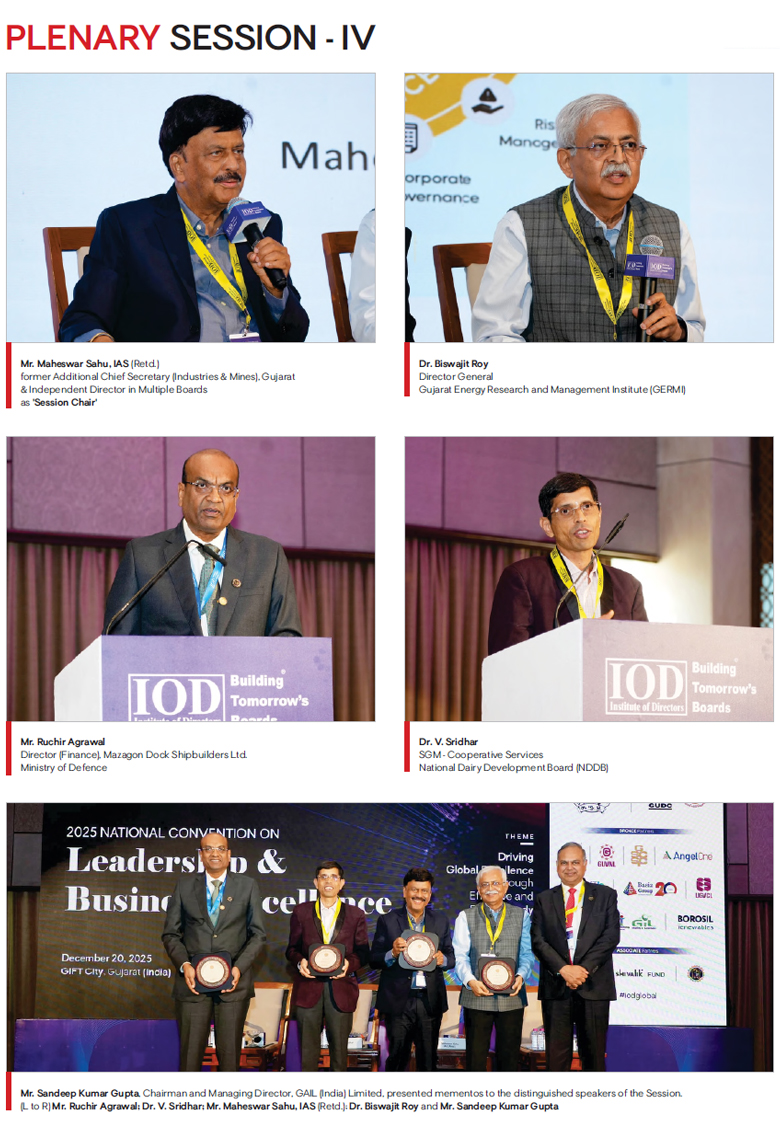
PLENARY SESSION - IV
EMBEDDING SUSTAINABILITY & ESG INTO STRATEGIC DECISION-MAKING
The session was Chaired by:
Mr. Maheswar Sahu, IAS (Retd.)
former Additional Chief Secretary (Industries & Mines),
Gujarat; and Independent Director in multiple Boards
Mr. Sahu reflected on the progress of the GIFT ecosystem, noting that the masterplan envisages a total development of 62 billion sq. ft., of which nearly one-third has already been achieved despite multiple challenges. He urged companies to align their growth strategies with sustainability imperatives. In the long term, he noted, environmental concerns will take centre stage as global risks intensify, making resilience and sustainability critical to corporate strategy. Drawing on case studies, Mr. Sahu cited Ambuja Cement as an example of strategic transformation through ESG, integrating compliance, marketing and operational excellence. Ambuja's commitment to net-zero emissions by 2050, adoption of a Green Logistics Framework using technology and AI to reduce lead distances by 100 km, and meeting 50 per cent of its water demand through rainwater harvesting demonstrate this approach. He concluded by underscoring the need for proactive governance mechanisms, beyond statutory committees, to closely examine regulatory developments and guide organisations towards sustainable growth.
The session had the following distinguished speakers:
1. Dr. Biswajit Roy
Director General
Gujarat Energy Research and Management Institute (GERMI)
2. Mr. Ruchir Agarwal
Director (Finance)
Mazagon Dock Shipbuilders Ltd.
Ministry of Defence
3. Dr. V. Sridhar
SGM- Cooperative Services
National Dairy Development Board (NDDB)
Dr. Roy asserted that ESG is no longer a matter of compliance but of preparedness and posed a fundamental question to the corporate sector: “Are organisations ESG-ready or not?”
While discussions around social and governance aspects have matured over time, he emphasised that the environmental dimension now demands urgent attention largely due to unsustainable resource exploitation that has contributed to global temperature thresholds nearing 1.5°C. Illustrating this, he cited multiple examples demonstrating how ESG integration has become a decisive factor in investor decision-making. Indian companies, he warned, will remain vulnerable unless proactive measures are adopted, particularly in light of evolving climate mitigation and adaptation policies. Further highlighting global developments, he referred to the European Union's recent regulations on deforestation and sustainable product design, as well as shifting societal expectations. He also observed that several leading universities in the United States and the United Kingdom no longer permit fossil fuel companies on campus which is a change driven by heightened student awareness. Referencing China's steady ESG progress between 2020 and 2022, he explained how ESG strategies support capital allocation and carbon accounting. Concluding with case studies from Microsoft, Accenture, and HDFC, he demonstrated how sustained ESG efforts have delivered tangible gains in energy efficiency and waste management.
Mr. Agarwal focused on responsible Finance and Capital Allocation through sustainability, placing the discussion firmly within India's growth and transformation narrative. He observed that while India is among the world's fastestgrowing economies it also faces acute resource constraints and social challenges. Quoting Mahatma Gandhi, he noted that sustainability for India is neither distant nor theoretical, as environmental challenges increasingly translate into financial risks. He emphasised that responsible finance in India must be:
• Development-oriented; financing growth while reducing environmental impact,
• Integrating climate and social risks into lending decisions, and
• Supporting MSMEs, housing and inclusive growth without compromising financial stability.
Private risk, he noted, can become systemic financial risk if left unaddressed. India's renewable energy journey was cited as a strong example, where competitive bidding and innovative financing have made Solar Power one of the cheapest energy sources in the country. Mr. Agarwal also highlighted the rapid growth of India's Green Bond Market, including the introduction of sovereign green bonds, which has enhanced transparency and market efficiency.
Dr. Sridhar opened with a historical reflection on technological adoption, citing the microwave oven as an innovation discovered in the 19th century but only widely embraced decades later. This example illustrated how transformative technologies often take time to achieve societal acceptance. He then shifted focus to contemporary social challenges, drawing attention to rising mortality rates in certain communities and stressing the need for collective, structured intervention. He emphasised that meaningful progress must be viewed not merely as a social movement, but as social development rooted in competence, participation, and institutional strength. At the grassroots level, he explained, families form the backbone of village societies, which extend through district-level structures and collectively reflect the health of rural ecosystems. These societies, managed by organised bodies, play a crucial role in sustaining traditional livelihoods while ensuring balanced development. He underscored major government-led initiatives, particularly the expansion of internet connectivity in rural India, supported by municipalities and public institutions. Together, these efforts aim to strengthen development architecture, enhance data quality, and enable nationally relevant research and innovation, fostering inclusive and sustainable growth.
This was followed by and interactive Q&A session with the Audience.
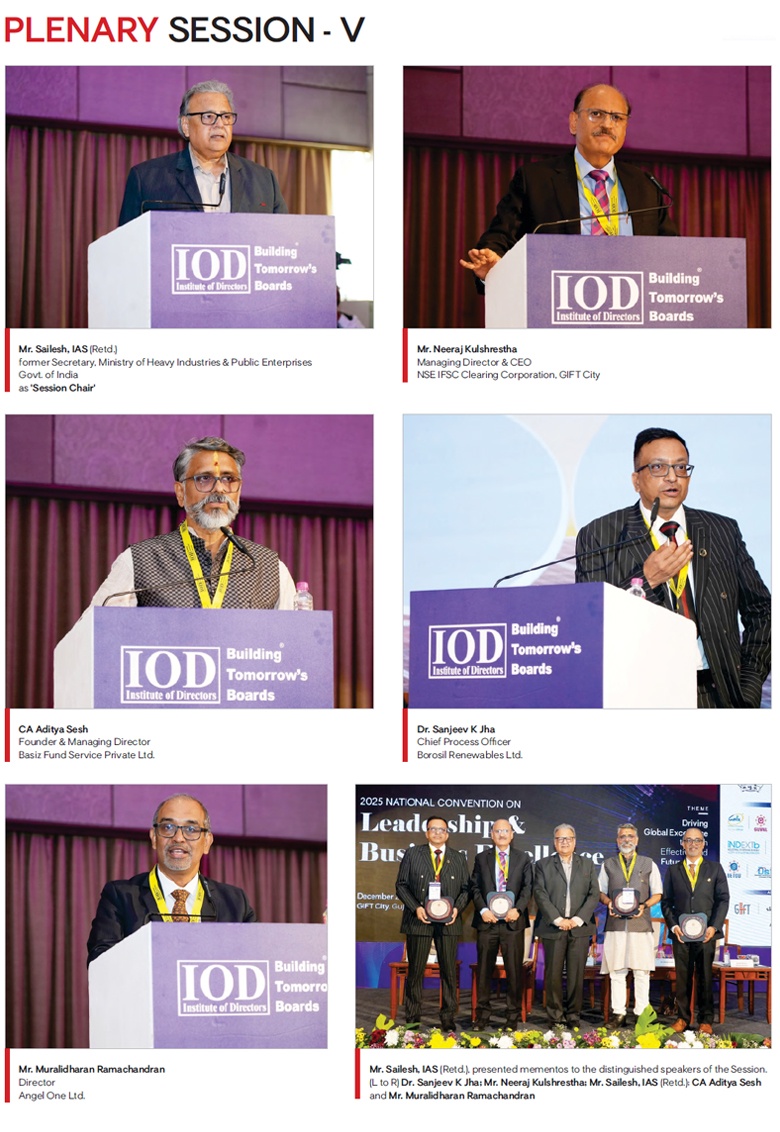
PLENARY SESSION - V
PROMOTING BOARD DIVERSITY: COMBINING TECHNOLOGY, AI & DIGITAL GOVERNANCE FOR INCLUSIVE GROWTH
The session was Chaired by:
Mr. Sailesh, IAS (Retd.)
former Secretary, Ministry of Heavy Industries & Public Enterprises
Govt. of India
Mr. Sailesh focused his address on the digital transformation of business, noting that digital disruption now shapes not only operational efficiency but also risk management, capital allocation, and corporate reputation. He observed that an organisation's level of digital maturity will increasingly determine its market position and stakeholder trust. He emphasised that digital strategy is no longer solely a management function but a critical board-level responsibility. Failure to embed digital transformation and its associated risks into strategic decision-making, he warned, could lead to loss of relevance in an increasingly globalised marketplace. Highlighting the growing influence of artificial intelligence and automation, he drew attention to emerging risks, ethical considerations, and changing models of stakeholder engagement. While acknowledging the government's proactive regulatory efforts, he concluded by stressing the importance of aligning digital initiatives with global benchmarks to ensure that Indian businesses remain competitive, resilient, and future-ready in the digital economy.
The Session had the following distinguished speakers:
1. Mr. Neeraj Kulshrestha
Managing Director and CEO
NSE IFSC Clearing Corporation, GIFT City
2. C. A. Aditya Sesh
Founder and Managing Director
Basiz Fund Service Private Ltd.
3. Dr. Sajeev K. Jha
Chief Process Officer Borosil Renewables Ltd.
4. Mr. Muralidharan Ramachandran
Director
Angel One Ltd.
Mr. Kulshrestha drew on his experience in the Soviet and International Relations to illustrate how economic engagements have evolved from traditional state-led frameworks to today's complex and interconnected global systems. He highlighted the depth of international integration, referencing significant cross-border investments and noting that modern economies operate simultaneously at domestic, international, and marketdriven levels. Emphasising the transformative role of technology, he stated that the world is firmly within the Fourth Industrial Revolution, where digital, physical, and institutional systems are deeply interlinked, reshaping every sector of economic activity. India, he observed, stands out as a global leader in technology adoption and digital public infrastructure, with platforms such as Aadhaar, demonstrating scalable and inclusive innovation. However, he cautioned that technological progress carries responsibility, demanding sustained investment in talent, innovation, and ethical data governance. He further stressed on the fact that change is continuous, and businesses must adapt to generational shifts, treating innovation not as a choice but as a strategic imperative for long-term and sustainable growth.
Mr. Sesh underscored that diversity is not just a contemporary concept but a deeply rooted societal practice, shaped by culture, consensus, and debate. He framed diversity across two critical dimensions: Gender and Technology. He noted that gender inclusion has historically evolved organically, have been reinforced by policy and regulation rather than tokenism. Emphasising lived practice over compliance, he highlighted organisations where women constitute up to 42% of the workforce and, at times, nearly the entire managerial cadre, reflecting diversity from the base of the pyramid to upward. From a macro-level perspective, he observed that India is progressively returning to its rightful economic and social equilibrium, with gender parity embedded in its democratic ethos and cultural respect for 'Shakti'. Looking ahead, he identified Digitalisation and Artificial Intelligence as the next frontier of diversification, emphasising that technology adoption is no longer optional but driven by consumer expectations, regulatory frameworks, and public policy. Boards, he argued, must therefore embrace multi-skilled, technology-literate expertise, as the future of work will prioritise capabilities over headcount, enabling holistic, resilient decisionmaking across sectors.
Dr. Jha opened by emphasising dialogue over monologue and advocating meaningful engagement rather than oneway communication. Using a simple yet powerful analogy, he identified glass as the most frequently touched material, underscoring how seamlessly technology has integrated into the daily human behaviour through devices like smartphones. He reframed artificial intelligence not as a distant or abstract concept, but as an extension of innate human intelligence, observing that individuals unconsciously apply AI like cognitive processes throughout the day. While technology has historically expanded human senses, AI represents a breakthrough in extending human cognitive capacity itself. Drawing on over two decades of manufacturing experience, he highlighted the transformative power of machine learning, which can assimilate and retrieve knowledge at speeds far exceeding human capability.
Mr. Ramachandran highlighted that emerging technologies such as block-chain and artificial intelligence which are fundamentally disrupting every industry, making digital adoption a necessity rather than a choice. He stressed that organisational survival today is directly linked to digital readiness. Introducing the next wave of disruption, he drew attention to Quantum Technology, describing it as a powerful force that, when combined with AI, will be transformative yet highly disruptive. Referring to ongoing discussions under the National Quantum Mission, he noted that by 2029 to 2030, quantum computers are expected to surpass existing systems by thousands of times in speed and capability. However, this advancement brings significant risks, particularly in cybersecurity and encryption, as quantum computing could reduce the time required to crack encrypted data from hours to mere minutes. He illustrated these risks through real-world examples, including deepfake-enabled financial frauds and the rise of phishing as the most reported fintech crime. Emphasising the gap between risk recognition and preparedness, he underscored the urgent need for digitally competent boards. He advocated a PPG approach- People and Process, anchored by Governance, and concluded by highlighting the role of technology and AI in driving balanced decision-making, stakeholder engagement, and diversity.
This was followed by and interactive Q&A session with the Audience and a Networking Break.
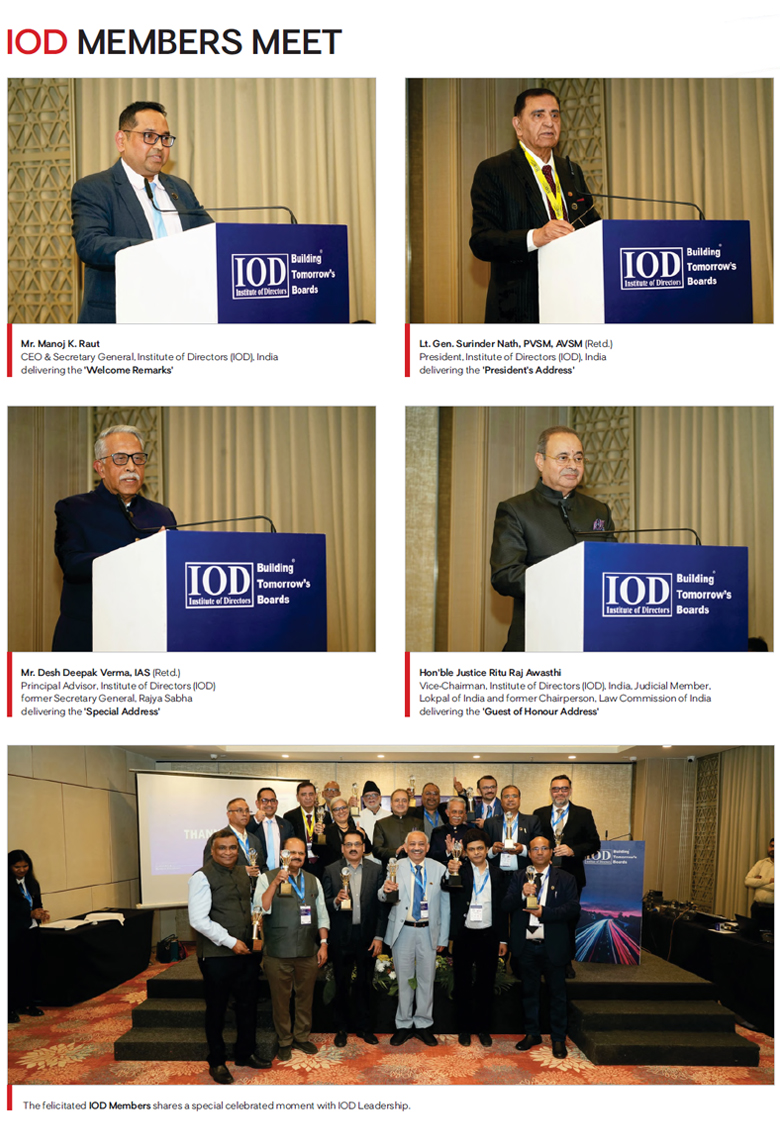
This was followed by
IOD MEMBERS’ MEET
THE EVOLVING ROLE OF INDEPENDENT DIRECTORS
The 'Welcome Remarks' of the Session was delivered by:
Mr. Manoj K. Raut
CEO & Secretary General
Institute of Directors (IOD), India
Mr. Raut welcomed all attendees, and highlighted the gathering as a celebration of IODs core strength - its Members. He observed that Life Membership is more than a designation; it embodies a commitment to lifelong learning, ethical governance, and responsible leadership. Felicitating the Life Members, he acknowledged their significant contributions to India's governance ecosystem as directors, professionals, policymakers, mentors, and thought leaders. Turning to the theme of the Meet he emphasised its timeliness and relevance. He noted that Independent Directors today serve as strategic partners, ethical sentinels, risk navigators, and custodians of longterm sustainable growth. Boards are expected to anticipate disruptions, uphold stakeholder trust, ensure sustainability, and guide organisations through uncertainty. This, he said, requires courage, independence of thought, domain expertise, and a strong moral compass. Mr. Raut concluded by reaffirming the Institute's dedication to strengthening boardroom effectiveness, building future-ready directors, and expanding its governance movement nationally and globally, while expressing gratitude to members for their continued support and leadership.
The 'President's Address' of the Session was delivered by:
Lt. Gen. Surinder Nath, PVSM, AVSM (Retd.)
President
Institute of Directors (IOD), India
Lt. Gen. Nath highlighted the growing significance of Independent Directors (IDs) in today's evolving governance landscape. He emphasised that IDs are no longer merely custodians of compliance, but strategic partners in governance. They play a key role in guiding long-term value creation, upholding ethical standards, addressing ESG and sustainability priorities, and navigating risk and disruption. True independence, he noted, is defined by independence of thought, courage of conviction, and the ability to challenge assumptions constructively. He also drew attention to the Institute's ongoing initiatives in director education, capacity building, and thought leadership, aimed at preparing boards to meet future challenges. Congratulating the IOD Life Members who were honoured at the event, he concluded by reaffirming the Institute's dedication to promoting ethical, transparent, and future-ready governance that drives sustainable business success.
The 'Special Address' of the Session was delivered by:
Mr. Desh Deepak Verma, IAS (Retd.)
Principal Advisor, Institute of Directors (IOD), India former Secretary General, Rajya Sabha
Mr. Verma extended his warm congratulations to all the Members being felicitated and highlighted that their recognition was not merely ceremonial, but a reflection of the critical role they play in driving long-term value creation, ensuring that organisations remain resilient, relevant, and future-ready. Emphasising the importance of ethical governance, Mr. Verma further underscored their commitment to responsible leadership, observing that effective leaders today must balance performance with purpose, while remaining sensitive to stakeholder expectations and societal impact. He also drew attention to their dedication to lifelong learning, stressing that continuous upskilling, openness to new perspectives, and adaptability are essential in an era of rapid technological and regulatory change and remarked that such leadership not only strengthens individual organisations but also contributes meaningfully to the broader economic and governance ecosystem.
The 'Guest of Honour' address of the Session was delivered by:
Hon'ble Justice Ritu Raj Awasthi
Vice-Chairman, Institute of Directors (IOD), India
Judicial Member, Lokpal of India
Former Chairperson, Law Commission of India
Justice Awasthi reflected on the evolving role of Independent Directors (ID) at the core of modern corporate governance. Originally conceived as safeguards against excessive managerial or promoter influence, IDs have today emerged as the custodians of trust, balance, and long-term value creation. This evolution, he noted, has been shaped by corporate failures and governance lapses, prompting stronger regulatory frameworks and heightened expectations of diligence and accountability. However, he emphasised that good governance cannot be legislated alone; it must be practised and embedded within boardroom culture. In an increasingly complex risk environment spanning Ethics, ESG, Cyber Security, AI, Data Protection, and Stakeholder Activism, IDs now serve as both moral and strategic compasses. While regulatory and societal scrutiny has intensified, he cautioned that independence must be supported by clarity of role, access to information, and respect for independent judgement, not mere tokenism.
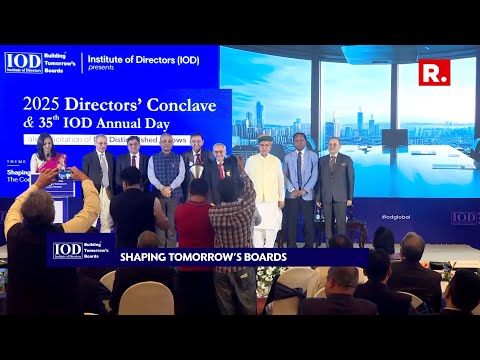
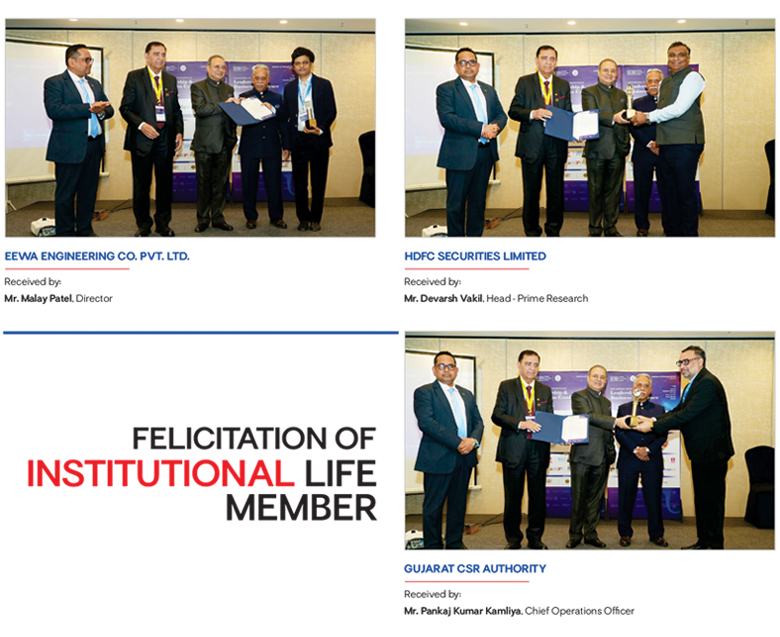
This was followed by the Felicitation of IOD LIFE Members.
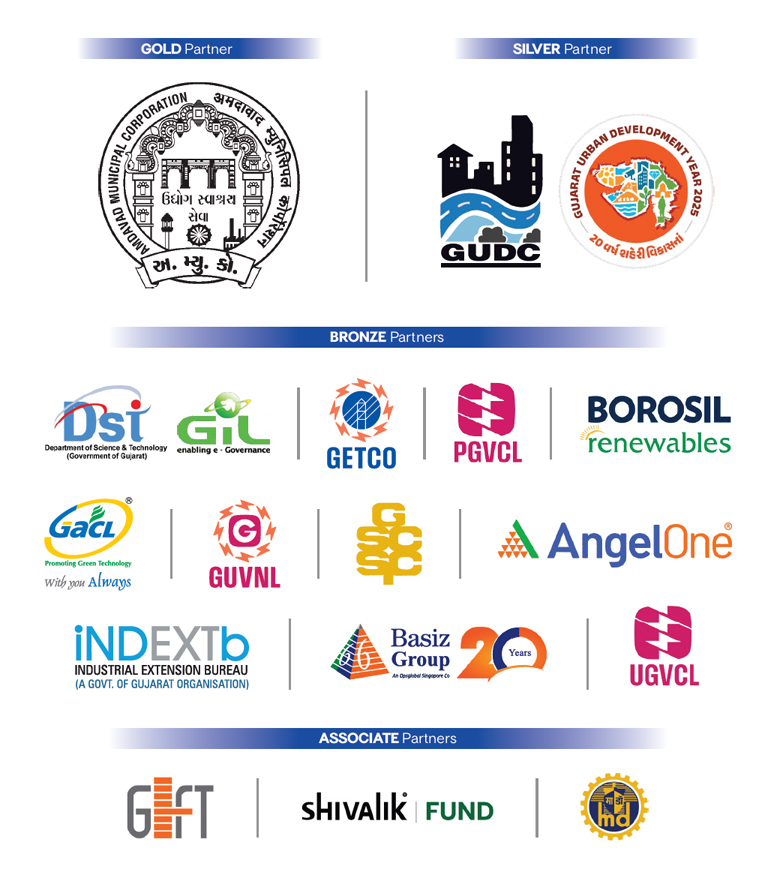
IOD, India is especially grateful to all its Event Partners:
Our Gold Partner: Ahmedabad Municipal Corporation (AMC)
Our Silver Partner: Gujarat Urban Development Company Limited (GUDC)
Our Bronze Partners:
1. Gujarat Informatics Limited (GIL)
2. Borosil Renewables Limited
3. Uttar Gujarat Vij Company Limited (UGVCL)
4. Gujarat Energy Transmission Corporation Limited (GETCO)
5. Gujarat State Civil Supplies Corporation Limited
6. Gujarat Alkalies and Chemicals Limited (GACL)
7. The Gujarat Urja Vikas Nigam Limited
8. Angel One
9. Basiz Group
10. Paschim Gujarat Vij Limited (PGVL)
11. Industrial Extension Bureau (iNDEXTb)
Our Associate Partners:
1. GIFT City
2. Mazagon Dock Shipbuilders Limited
3. Shivalik Fund
This Report is compiled by:
Mr. Ashok Kapur, IAS (Retd.)
Director General
Institute of Directors (IOD)
and
Ms. Violina Das
Assistant Editor- Director Today
Institute of Directors (IOD)
FELICITATION OF
INDIVIDUAL LIFE MEMBERS
by
Institute of Directors (IOD), India leadership, including: Hon’ble Justice Ritu Raj Awasthi, Vice-Chairman, IOD; Lt. Gen. Surinder Nath, PVSM, AVSM (Retd.), President, IOD; Mr. Manoj K. Raut, CEO & Secretary General, IOD; and Mr. Desh Deepak Verma, IAS (Retd.), Principal Advisor, IOD.
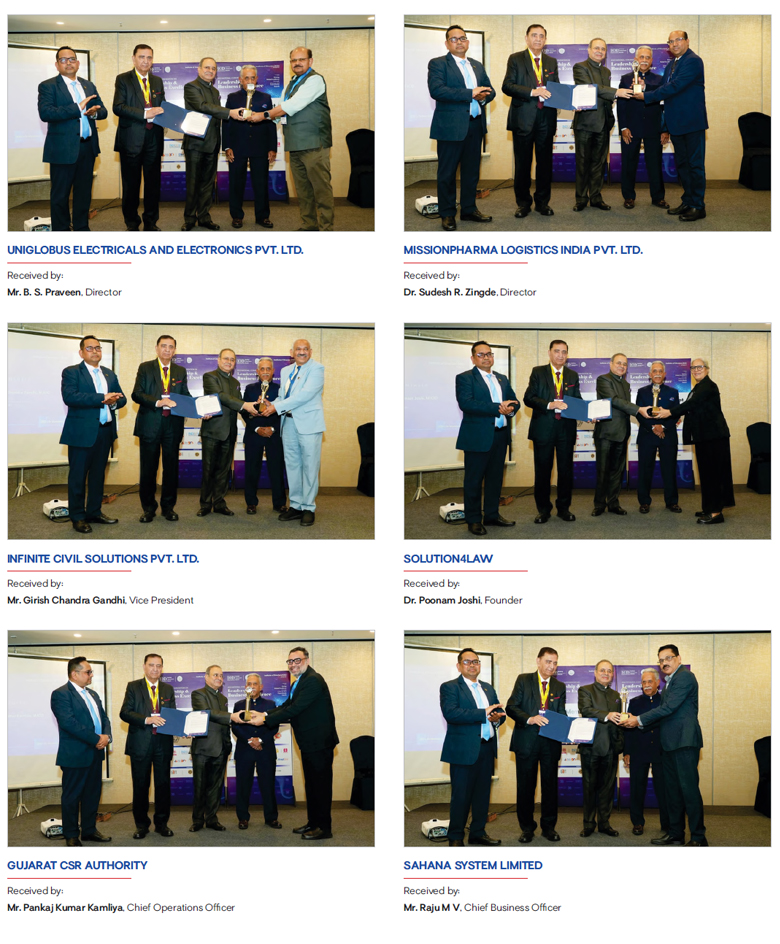
PARTNERS & SUPPORTERS
 Back to Home
Author
Institute of Directors India
Bringing a Silent Revolution through the Boardroom
Institute of Directors (IOD) is an apex national association of Corporate Directors under the India's 'Societies Registration Act XXI of 1860'. Currently it is associated with over 31,000 senior executives from Govt, PSU and Private organizations of India and abroad.
Owned by: Institute of Directors, India
Disclaimer: The opinions expressed in the articles/ stories are the personal opinions of the author. IOD/ Editor is not responsible for the accuracy, completeness, suitability, or validity of any information in those articles. The information, facts or opinions expressed in the articles/ speeches do not reflect the views of IOD/ Editor and IOD/ Editor does not assume any responsibility or liability for the same.