 Quick Links
 Connect us


 Directors Databank (Empannel Yourself)
 Become a
 Become a
 Blog
 Become an Awards Assessor
 Publications
 Contact Us






Vietnam's corporate sector has reached an inflection point. A decade of institutional reform - a strengthened legal framework, a national Corporate Governance (CG) Code, and rising market awareness - has pushed environmental, social, and governance (ESG) practice forward.
Read more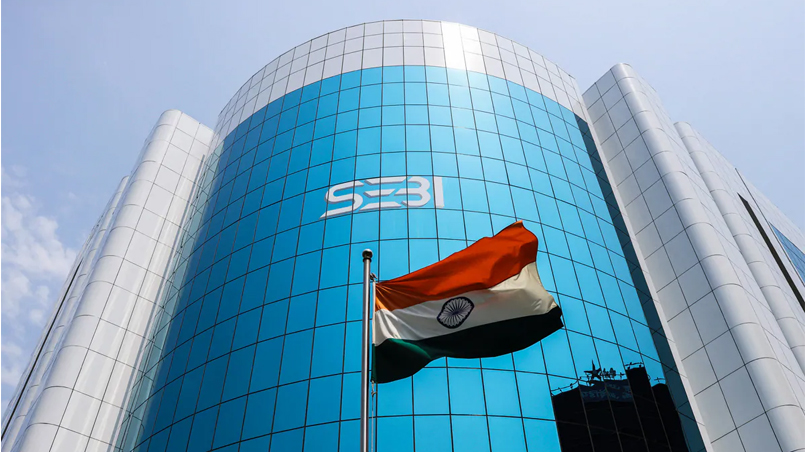
A Parliamentary Standing Committee on Finance has recommended extending the mandatory cooling-off period for the SEBI Chairperson and Whole-time Members from one year to two years before they may accept employment with securities market intermediaries or other associated entities. The proposal is aimed at strengthening regulatory independence and mitigating potential conflicts of interest.
Read more
To address these concerns, SEBI plans to issue comprehensive guidelines on the ethical and responsible deployment of AI by regulated entities. The framework will draw upon international best practices, including the International Organization of Securities Commissions (IOSCO) AI supervisory toolkit.
Read more
India and the United Kingdom have resolved last-minute differences over steel import duties and announced July 15, 2026, as the implementation date for their landmark Free Trade Agreement (FTA). Alongside the trade pact, a social security agreement will also come into force, exempting Indian and British workers from making dual social security contributions while working in the other country.
Read more
SUPCOMS replaces fragmented email-based correspondence with a unified portal. For regulated entities, this means all communications with SEBI are centralized, searchable, and auditable. The platform creates a robust institutional memory and audit trail, eliminating the risk of broken reply chains or lost information.
Read more
The India-Oman Comprehensive Economic Partnership Agreement (CEPA) is expected to play a significant role in strengthening India's energy security, export growth and trade resilience, according to a report.
Read more
The Securities and Exchange Board of India (SEBI) is developing a framework to mandate biannual training workshops for independent directors, with attendance expected to be a prerequisite for reappointment following a five-year tenure.
Read more
The Reserve Bank of India (RBI) has introduced an Expected Credit Loss (ECL) framework for banks, effective April 1, 2027. The framework marks a shift from the traditional “incurred loss” model to a forward-looking approach, requiring banks to estimate potential credit losses in advance rather than waiting for losses to materialise.
Read more
A high-level delegation from the Institute of Directors (IOD), India, comprising Mr. Desh Depak Verma, IAS (Retd.), Principal Advisor; Mr. Pradeep Chaturvedi, Vice President; and Mr. Manoj K. Raut, CEO & Secretary-General, recently met Mr. Nitin J. Gadkari, Hon'ble Minister of Road Transport and Highways, Government of India.
Read more
The collaboration is aimed at strengthening professional capabilities and fostering engagement across academia and industry, both in the United Kingdom and in India, including the University of York's forthcoming campus in Mumbai.
Read moreCategories