 Quick Links
 Connect us

 Directors Databank (Empannel Yourself)
 Become a
 Become a
 Blog
 Become an Awards Assessor
 Publications
 Contact Us







Latest from the Regulator - June 2026

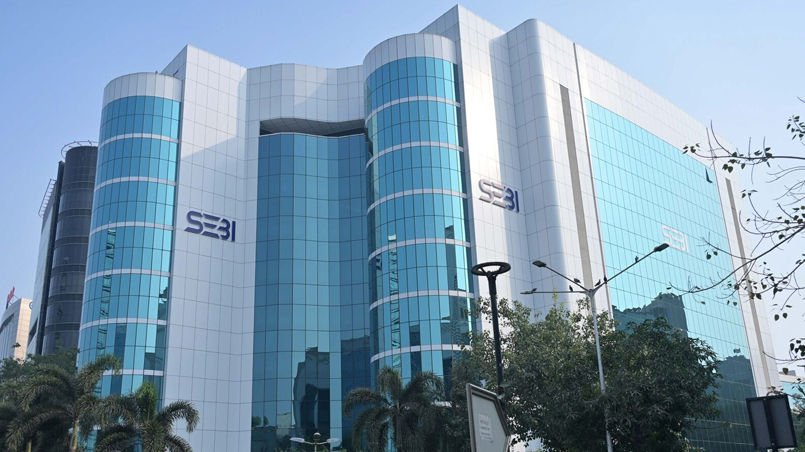
SEBI to Issue Guidelines on Responsible Use of AI in Capital Markets
The Securities and Exchange Board of India (SEBI) is preparing a regulatory framework to govern the responsible use of artificial intelligence (AI) in India's capital markets. Announcing the initiative, SEBI Chairman Mr. Tuhin Kanta Pandey noted that while AI can significantly enhance market surveillance, risk assessment, fraud detection, and investor services, it also presents challenges relating to transparency, bias, data privacy, cybersecurity, and accountability.
To address these concerns, SEBI plans to issue comprehensive guidelines on the ethical and responsible deployment of AI by regulated entities. The framework will draw upon international best practices, including the International Organization of Securities Commissions (IOSCO) AI supervisory toolkit. The initiative forms part of SEBI's broader regulatory agenda and will be informed by recommendations of an expert committee tasked with developing a five- and ten-year roadmap for India's market infrastructure institutions.
Government Plans MSME Law Amendments to Address Payment Delays
The Government of India is set to introduce amendments to the Micro, Small and Medium Enterprises Development (MSMED) Act, 2006 during the forthcoming Monsoon Session of Parliament. The proposed reforms aim to accelerate the resolution of delayed payment disputes, reduce compliance burdens, and improve the ease of doing business for MSMEs.
A key focus of the amendments is expected to be Chapter V of the MSMED Act, which addresses delayed payments to micro and small enterprises, a longstanding challenge affecting liquidity and business continuity. The proposed changes seek to strengthen dispute resolution mechanisms while streamlining regulatory processes and eliminating minor penalties, thereby creating a more conducive operating environment for small businesses.
Centre Tightens FCRA Rules for NGOs Receiving Foreign Contributions
The Ministry of Home Affairs has notified amendments to the Foreign Contribution (Regulation) Rules, 2011, aimed at strengthening accountability and oversight in the utilisation of foreign funds by non-governmental organisations (NGOs) and associations.
The revised rules require organisations to specify their intended purposes and geographical areas of operation while also enhancing disclosure requirements and expenditure thresholds. Additionally, associations with foreign nationals as key functionaries will ordinarily not be considered for registration or prior permission under the Foreign Contribution (Regulation) Act (FCRA), except in cases specifically approved by the Central Government.
The amendments also clarify the scope of permissible faith-based activities while explicitly excluding proselytisation from several categories eligible for registration. The measures are intended to promote greater transparency, accountability, and regulatory oversight in the receipt and utilisation of foreign contributions in India.
 Back to Home
Author
Prakash Devineni
He is a technology governance practitioner, enterprise technology leader, and creator of the Technology Governance Maturity Model (TGMM). With over 25 years of experience in digital transformation, enterprise architecture, cybersecurity, and technology strategy, he brings practical insights into technology governance and strategic oversight. A Qualified Independent Director (IICA) and Certified Corporate Director (IOD), his work explores the intersection of board governance, Artificial Intelligence, cyber risk, enterprise transformation, and innovation. Drawing on enterprise architecture principles and leadership experience, he focuses on helping boards and executives strengthen technology oversight, manage emerging risks, and align technology investments with long-term business objectives.
Owned by: Institute of Directors, India
Disclaimer: The opinions expressed in the articles/ stories are the personal opinions of the author. IOD/ Editor is not responsible for the accuracy, completeness, suitability, or validity of any information in those articles. The information, facts or opinions expressed in the articles/ speeches do not reflect the views of IOD/ Editor and IOD/ Editor does not assume any responsibility or liability for the same.