 Quick Links
 Connect us


 Directors Databank (Empannel Yourself)
 Become a
 Become a
 Blog
 Become an Awards Assessor
 Publications
 Contact Us







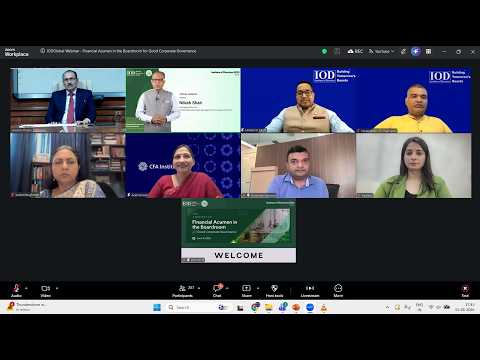
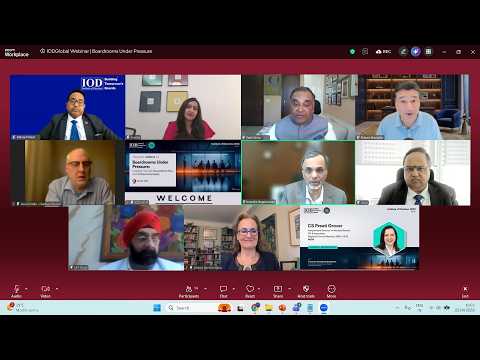
The Institute of Directors (IOD), India convened its first IODGlobal Webinar of the year, themed on: “Boardrooms Under Pressure: Leading Through Geopolitical Flux and Global Uncertainty”, on April 22, 2026.
Read more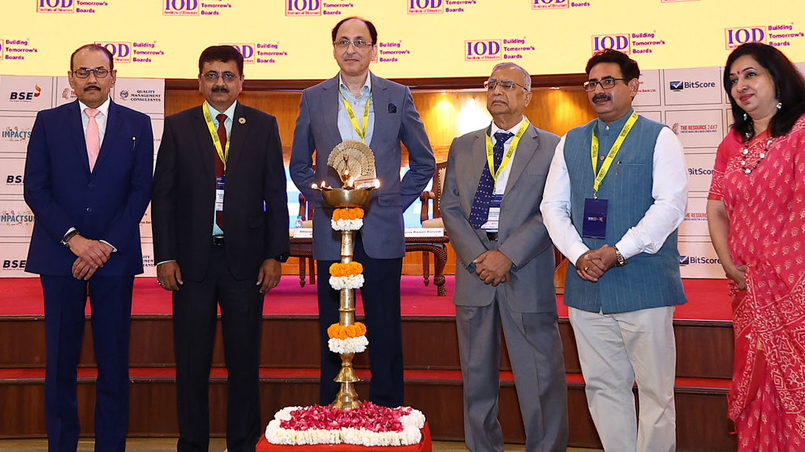
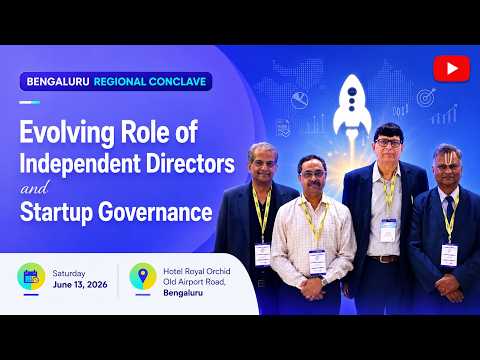
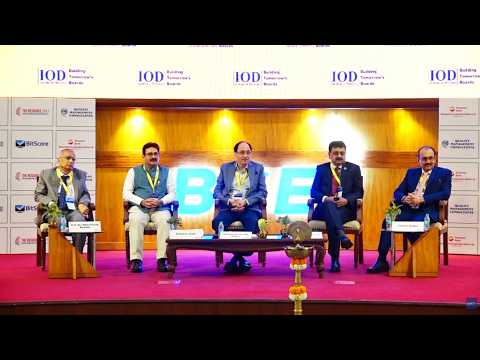
The Institute of Directors (IOD) Western Region Conclave 2026, themed, 'The Directors' Dialogue: Redefining Responsibility in 2026', on April 18, 2026 at the BSE International Convention Hall, Mumbai, convened senior directors, policymakers, regulators, financial experts, and industry leaders to examine the evolving role of boards in a dynamic global landscape.
Read more
The Securities and Exchange Board of India (SEBI) is developing a framework to mandate biannual training workshops for independent directors, with attendance expected to be a prerequisite for reappointment following a five-year tenure.
Read more
The Reserve Bank of India (RBI) has introduced an Expected Credit Loss (ECL) framework for banks, effective April 1, 2027. The framework marks a shift from the traditional “incurred loss” model to a forward-looking approach, requiring banks to estimate potential credit losses in advance rather than waiting for losses to materialise.
Read more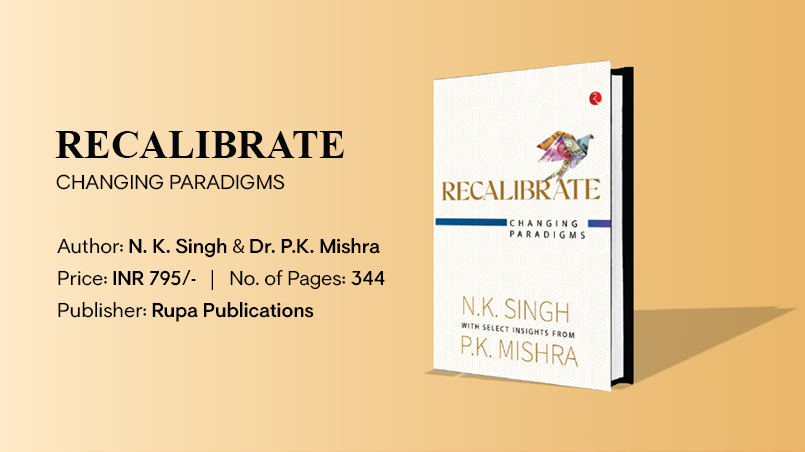
Few books on Indian economic governance manage to be simultaneously diagnostic and prescriptive without tipping into polemic. 'Recalibrate: Changing Paradigms' written by N. K. Singh with complementary insights from Dr. P.K. Mishra, the book stands out as a serious insider account of why traditional policymaking frameworks are no longer adequate.
Read more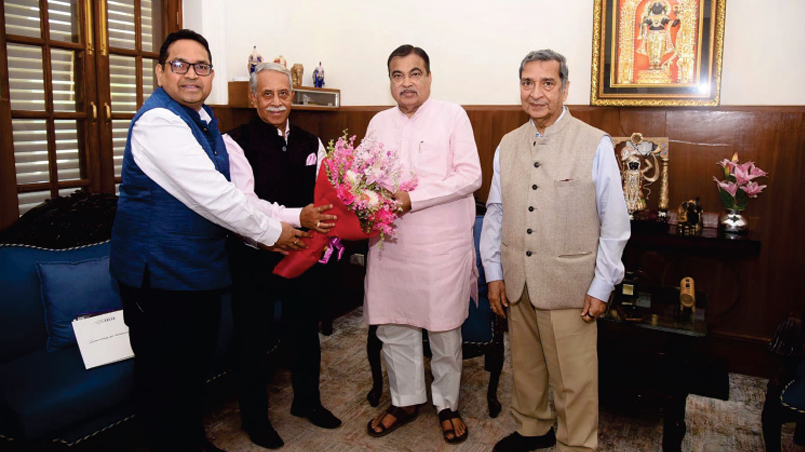
A high-level delegation from the Institute of Directors (IOD), India, comprising Mr. Desh Depak Verma, IAS (Retd.), Principal Advisor; Mr. Pradeep Chaturvedi, Vice President; and Mr. Manoj K. Raut, CEO & Secretary-General, recently met Mr. Nitin J. Gadkari, Hon'ble Minister of Road Transport and Highways, Government of India.
Read more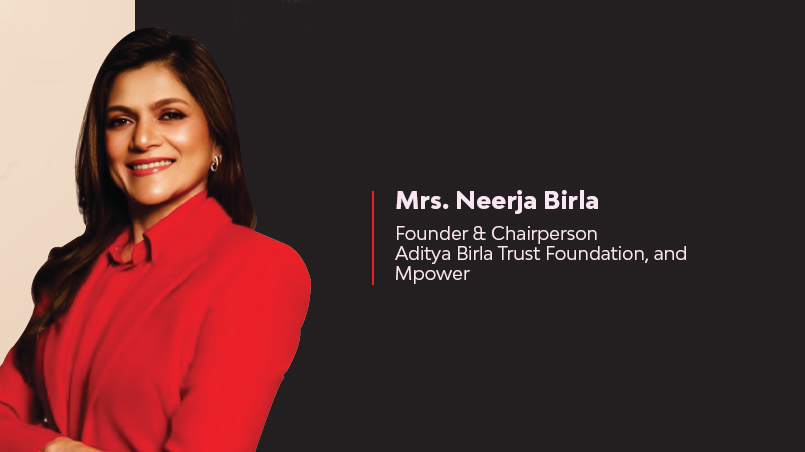
Education can transform lives. Not only intellectually, but also emotionally and socially. However, I do believe that academic excellence alone does not ensure well-being. Many young people are navigating stress, anxiety, and emotional challenges silently.
Read more
The collaboration is aimed at strengthening professional capabilities and fostering engagement across academia and industry, both in the United Kingdom and in India, including the University of York's forthcoming campus in Mumbai.
Read more
Because organisations are now operating in an environment where good intentions alone are no longer enough. Stakeholders want to know not only what an institution says it stands for, but how seriously it governs itself, how it manages risk, and whether its values are truly reflected in decision making.
Read more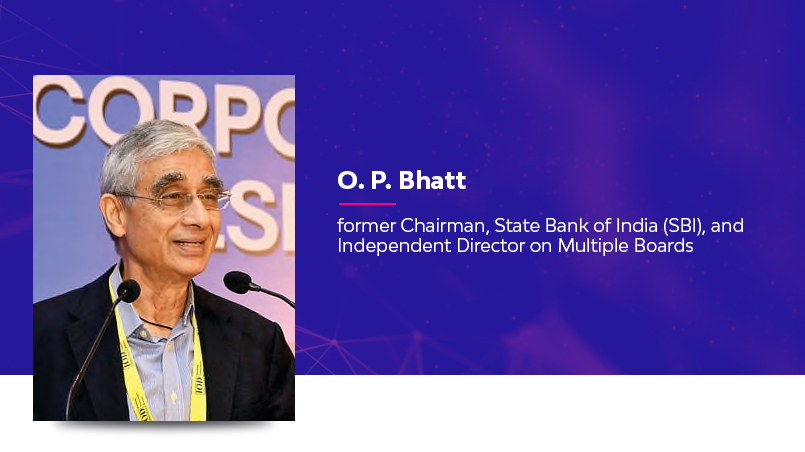
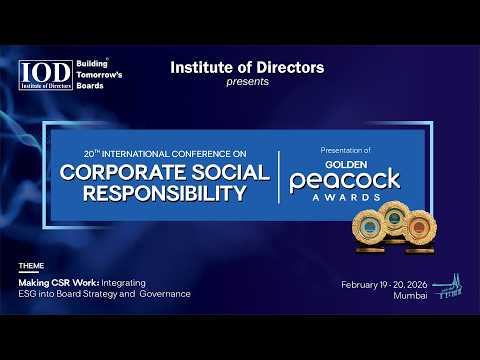
We meet at a moment of undeniable consequence. The stresses on our planet are no longer abstract projections; they are immediate, visible, and deeply disruptive. Climate volatility, environmental degradation, and geopolitical instability together define the context within which businesses now operate.
Read moreAbout Author

He is a technology governance practitioner, enterprise technology leader, and creator of the Technology Governance Maturity Model (TGMM). With over 25 years of experience in digital transformation, enterprise architecture, cybersecurity, and technology strategy, he brings practical insights into technology governance and strategic oversight. A Qualified Independent Director (IICA) and Certified Corporate Director (IOD), his work explores the intersection of board governance, Artificial Intelligence, cyber risk, enterprise transformation, and innovation. Drawing on enterprise architecture principles and leadership experience, he focuses on helping boards and executives strengthen technology oversight, manage emerging risks, and align technology investments with long-term business objectives.
Categories