 Quick Links
 Connect us

 Directors Databank (Empannel Yourself)
 Become a
 Become a
 Blog
 Become an Awards Assessor
 Publications
 Contact Us







A Report on National Convention Series on 'Boards' Mumbai, 2026

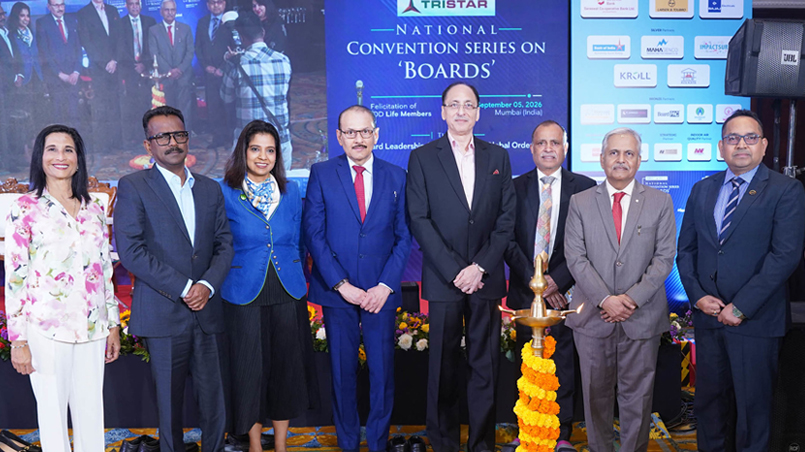
In a world defined by disruption, the true test of board leadership lies not in how well institutions navigate certainty, but in how wisely they prepare for the unknown.
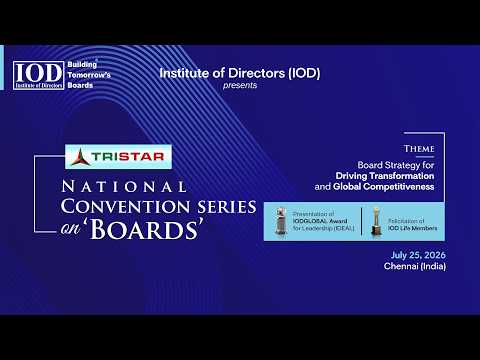
At this critical juncture in global business and governance, the Tristar Group, UAE, and the Institute of Directors (IOD), India convened the second grand edition of the National Convention Series on 'Boards' on September 05, 2026 at Taj Lands' End, Mumbai, bringing together around 500 distinguished board members, business leaders, regulators and governance experts from across sectors to deliberate on the theme, 'Board Leadership for an Emerging Global Order'.
The Convention explored the evolving mandate of the global order through a series of discussions and the growing strategic imperative of Reputation & Trust. From prediction to preparation, from compliance to stewardship, and from authority to accountability, a compelling message emerged across the deliberations that effective governance must look beyond immediate performance to anticipate what lies ahead. The shift from 'just-in-time' to 'just-in-case' resilience, the call for stronger geopolitical risk oversight, and the insistence that AI must remain subject to human judgement underscored the need for boards to question assumptions before uncertainty becomes disruption.
A recurring thread was the principle of Trust, Quality and Transparency (TQT), presented as a foundation for globally competitive and responsible institutions. The Convention ultimately reaffirmed that strong boards do not merely protect institutions against risk; they equip them to create enduring value through change. Its deliberations offered a timely call for directors to embrace strategic foresight, independent judgement and responsible innovation in shaping resilient enterprises and a more confident corporate future.
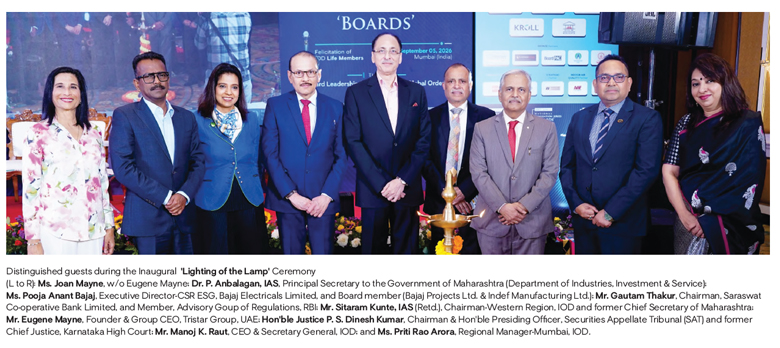
PLENARY SESSION – I
INAUGURAL SESSION
The Convention commenced with an 'Opening Address' delivered by:
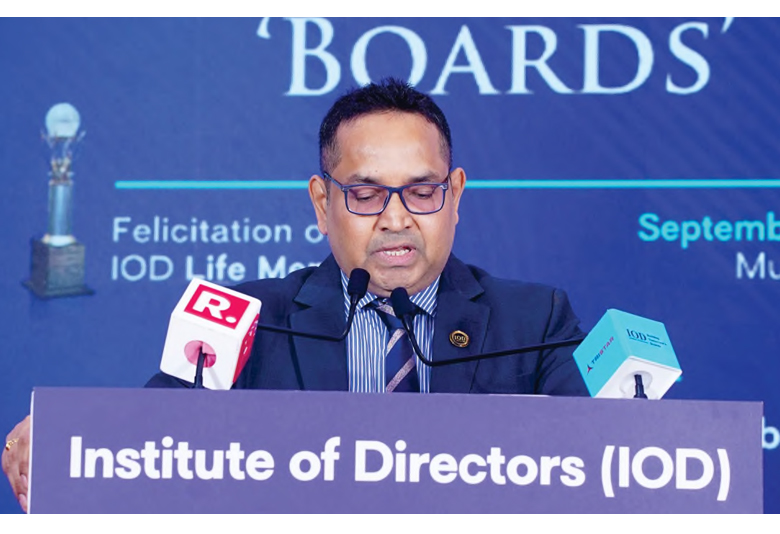
Mr. Manoj K. Raut
CEO & Secretary General
Institute of Directors (IOD)
Mr. Raut commenced the convention by highlighting Mumbai as an appropriate setting to discuss ambition, enterprise, governance and the future of boards. He noted that this event marked the second stop of IOD's pan-India Tristar-IOD National Convention Series on 'Boards'. He questioned whether boardrooms had evolved quickly enough to match a rapidly changing world, where war, energy, climate, geopolitics and artificial intelligence increasingly converge on boardroom agendas. While acknowledging India's growing influence as an engine of global growth, he stressed that its global ambitions must be matched by higher governance standards. He emphasised that trust, quality and transparency are fundamental boardroom responsibilities, noting that legislation establishes structures, but organisational culture determines their effectiveness. Greater women's representation, stronger independent director capabilities and sound crisis judgement were identified as priorities. Referring to Gen-Zs as the “Crown Prince Generation”, he highlighted its digital fluency, social consciousness and willingness to challenge the existing norms. He also underscored the rise of conscious consumerism, urging Indian boards to strengthen accountability, governance and preparedness for the future.
The 'Welcome Address' was delivered by:
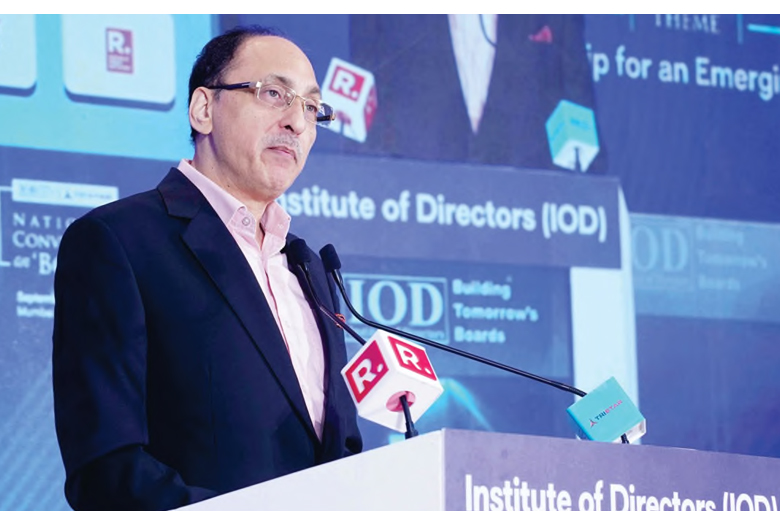
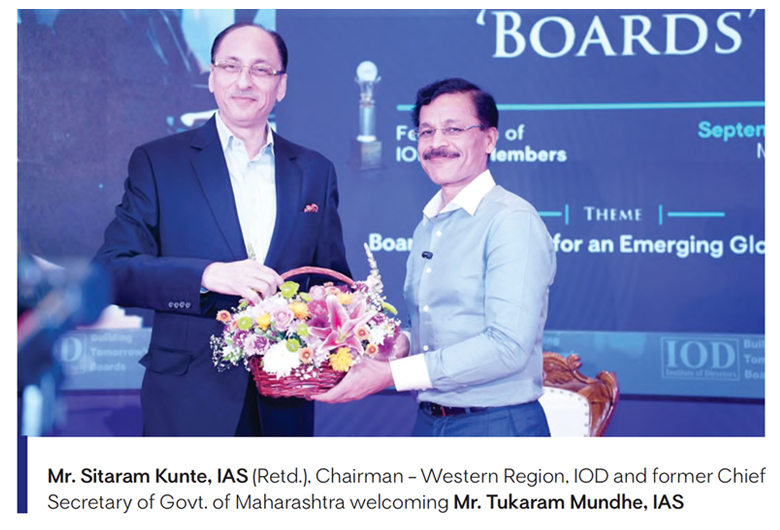
Mr. Sitaram Kunte, IAS (Retd.)
Chairman - Western Region, IOD; and
former Chief Secretary of Maharashtra
Mr. Kunte emphasised the evolving role of boardrooms in shaping the future of business, underscoring the importance of sustainability, trust, ESG integration and long-term value creation. He observed that effective boards must move beyond reactive decision-making to anticipate emerging developments, risks and opportunities. As Indian companies expand their global footprint, he stressed that forward-looking board leadership is essential to navigating complexity and sustaining competitiveness. He also highlighted the importance of greater gender diversity and women's leadership in boardrooms, noting that transparency, accountability and integrity are fundamental to building stakeholder confidence and attracting investment. He acknowledged IOD's vital role in strengthening board capabilities to address both present challenges and future demands. He concluded with three key thoughts for board leadership:
(i) Board should evolve into a leadership platform that asks difficult questions and takes responsibility;
(ii) Boards should be prepared to anticipate the future and respond to emerging risks and opportunities; and
(iii) Boards should move from authority to trust by building confidence through transparency, accountability, and integrity.
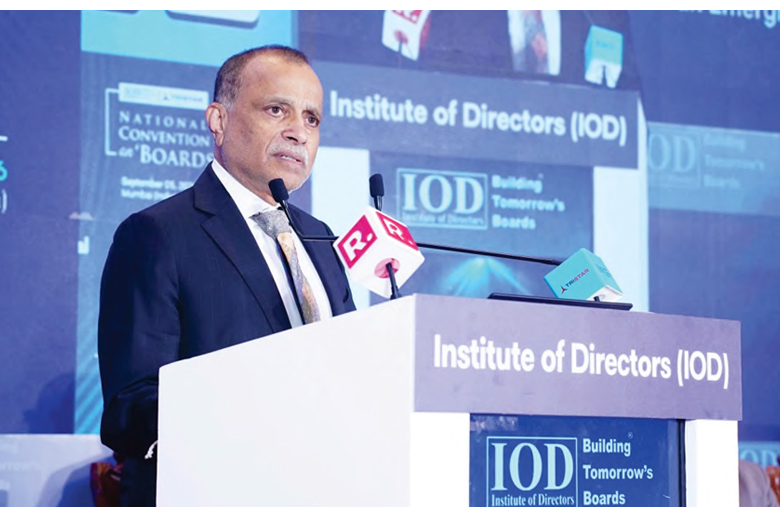
Mr. Eugene Mayne
Founder & Group CEO
Tristar Group, UAE
Mr. Mayne turning to the emerging global order examined how tariffs, geopolitical tensions and shifting power structures were making business decisions increasingly complex. He observed that global influence, once concentrated among a few superpowers, was becoming more dispersed, requiring boards to navigate uncertainty with greater foresight and adaptability. Emphasising trust as a cornerstone of economic resilience, Mr. Mayne cited Singapore as an example of how institutional credibility, discipline and sound governance can strengthen investor confidence. He also highlighted the significance of soft power, noting that lasting influence is built through trust rather than pressure. For boardrooms, he highlighted three important foundations:
(i) Managing market volatility
(ii) Preserving relationships, and
(iii) Continuing to build confidence even when challenges exist.
Highlighting India's Unified Payments Interface (UPI), he illustrated how Indian innovation was gaining global relevance. He noted a significant shift in the international exchange of knowledge, with global institutions increasingly looking to India for solutions.
This was followed by a 'Special Address' delivered by:
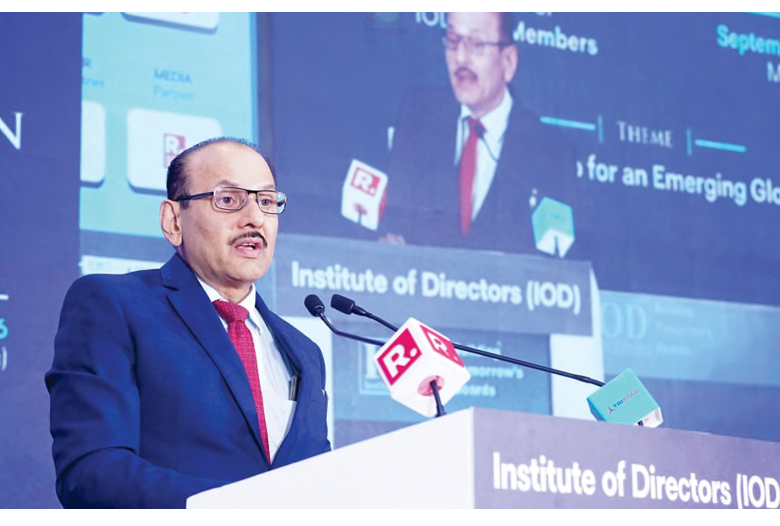
Mr. Gautam Thakur
Chairman, Saraswat Co-operative Bank Limited; and
Member - Advisory Group of Regulation, RBI
Mr. Thakur reflected on how the global landscape had evolved since the idea of a “flat world” emerged two decades ago, observing that today's multipolar order was increasingly shaped by trade fragmentation and geopolitical tensions. He highlighted a critical gap in corporate governance, noting that few boards had dedicated geopolitical risk committees, and called for greater expertise at the board level to anticipate and navigate emerging risks. He stressed the need for organisations to redesign supply chains with alternative sourcing arrangements and robust contingency plans, emphasising that resilience should be viewed as a strategic investment rather than a cost. He also examined the changing dynamics of global trade and currency influence, citing BRICS initiatives and the growing use of local currencies in cross-border transactions. These shifts, he noted, were reshaping established economic relationships while raising fresh questions about trust. Concluding, Mr. Thakur urged Indian corporates and their boards to seize the opportunities emerging from this changing global order while strengthening their capacity to withstand geopolitical, trade and financial volatility.
This was followed by a 'Special Address' delivered by:
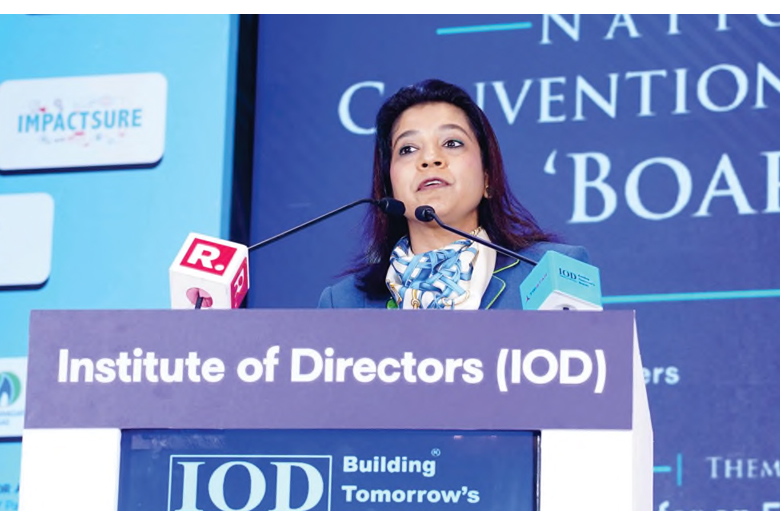
Ms. Pooja Anant Bajaj
Executive Director– CSR & ESG
Bajaj Electricals; and Member on Boards of Bajel Projects Limited & Indef Manufacturing Limited
Ms. Bajaj opened her address with a thought-provoking question on whether future boardrooms would function as they do today or increasingly rely on AI and AI-powered governance advisers. She emphasised that while technology could strengthen decision-making, accountability could not be delegated, nor could trust be outsourced. Drawing on Bajaj's century-long legacy, she underscored that enduring leadership is measured not merely by financial performance, but by the institutions built, stakeholder trust earned and reputation safeguarded for future generations. She outlined three core responsibilities of board members: Control; Responsibility; and Strategy & Diversification. These, she noted, must be guided by three pillars of board leadership: Protect, Perform and Prosper. Highlighting the organisation's sustainability initiatives, Ms. Bajaj cited efforts to expand renewable energy use, achieve zero waste and 100% liquid discharge, strengthen board oversight, broaden CSR initiatives, promote tree plantation and reduce carbon emissions.
The 'Guest of Honour Address' was delivered by:
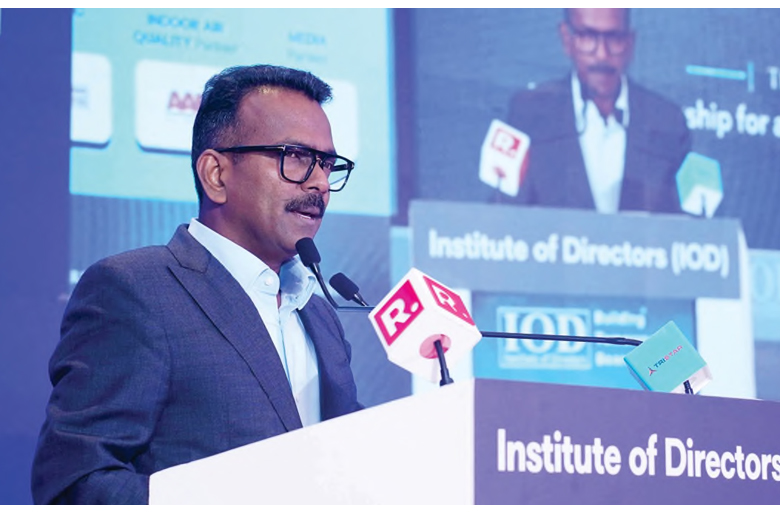
Dr. P. Anbalagan, IAS
Principal Secretary to the Government of Maharashtra
(Department of Industries, Investment & Services)
Dr. Anbalagan highlighted Maharashtra's strong economic performance, citing a growth rate of approximately 8.8% and expressing confidence in the state's potential to achieve double-digit growth. He underscored its investment appeal, pointing to substantial investment commitments, projects progressing towards implementation and new EPF accounts as indicators of economic activity and employment generation. Emphasising an enabling environment for entrepreneurship, he noted the state's efforts to support start-ups and emerging sectors, with over 1,000 projects reportedly initiated under customised incentives. He also outlined the 'emerging districts' initiative, through which 12 high-potential districts were being supported through infrastructure development, employment generation, women-focused opportunities and green-energy projects. On sustainable development, Dr. Anbalagan highlighted the potential for data centres to use treated wastewater, reducing pressure on freshwater resources. He also stressed the growing importance of data governance, cybersecurity and cyber resilience in a technology-driven economy. Concluding, he emphasised that Maharashtra's next phase of growth must extend beyond scale to encompass predictability, sustainability and ESG-conscious development, ensuring that economic progress translates into lasting and inclusive value.
The 'Inaugural Address' was delivered by:
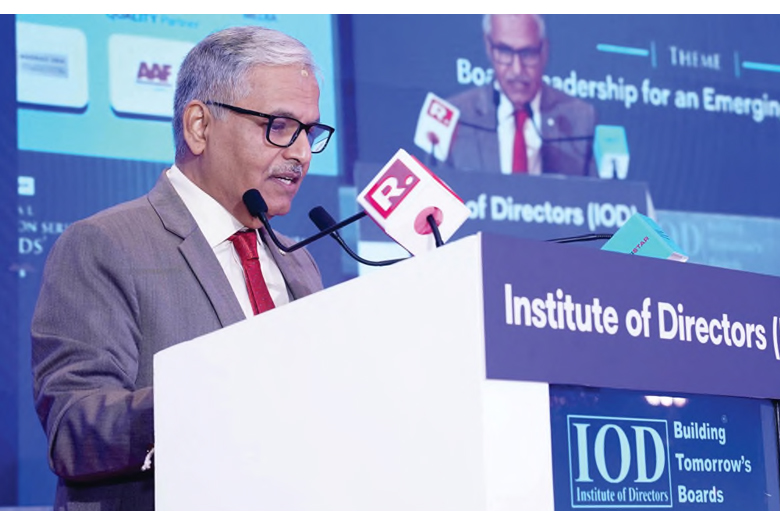
Hon'ble Justice P. S. Dinesh Kumar
Chairman & Hon'ble Presiding Officer
Securities Appellate Tribunal (SAT), and
former Chief Justice of High Court of Karnataka
Justice Kumar reflected on India's growth across sectors, emphasising that economic expansion must be matched by responsible board leadership and a steadfast commitment to stakeholders. He underscored the board's role as a custodian of organisational trust, credibility and investor confidence, particularly amid market volatility and uncertainty. He called for a governance culture rooted in long-term value creation, financial discipline, prudent resource allocation and transparent decision-making. Highlighting the importance of informed oversight, Justice Kumar stressed that directors must look beyond numbers to understand the underlying business realities, uphold regulatory standards, adopt best practices and explore new avenues of growth without compromising quality. He noted that the board's responsibility extends beyond organisational performance, contributing to wider economic stability and India's sustained progress. In closing, Justice Kumar emphasised that the success of a convention lies in its ability to inspire directors to ask the right questions, challenge assumptions and engage in meaningful deliberations.
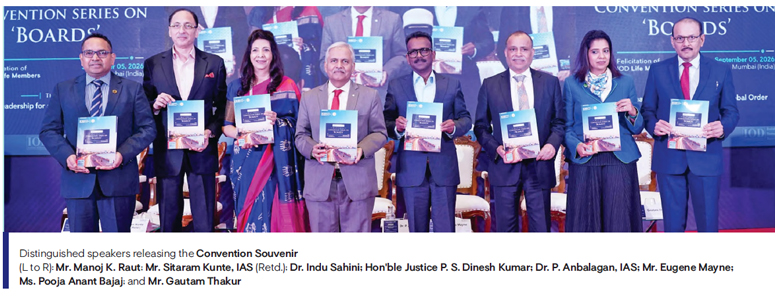
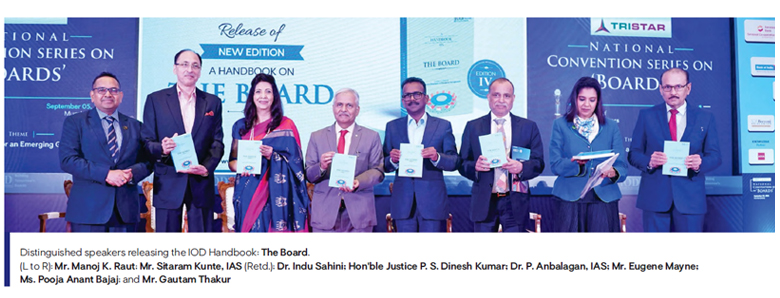
This was followed by the release of Convention Souvenir & IOD Directors Handbook: 'The Board'.
PLENARY SESSION – II
BUILDING FUTURE-READY BOARDS: STEERING STRATEGY, GOVERNANCE AND ENTERPRISE RESILIENCE IN A CHANGING WORLD
The 'Special Address' was delivered by the Session Chair:
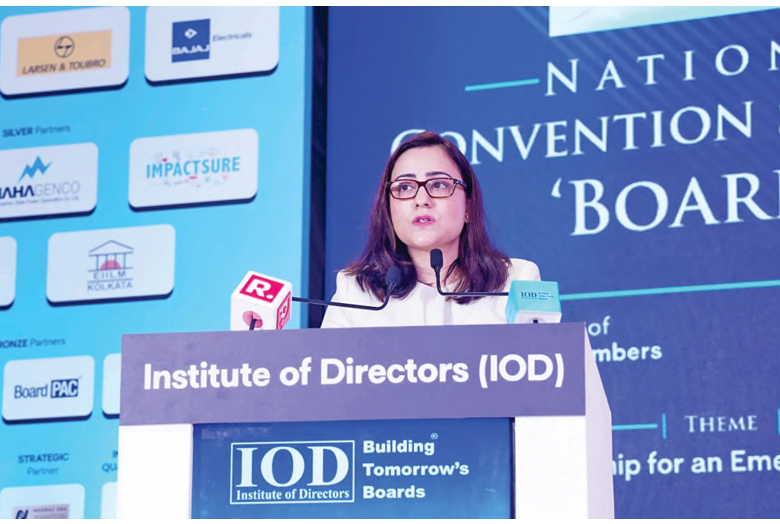
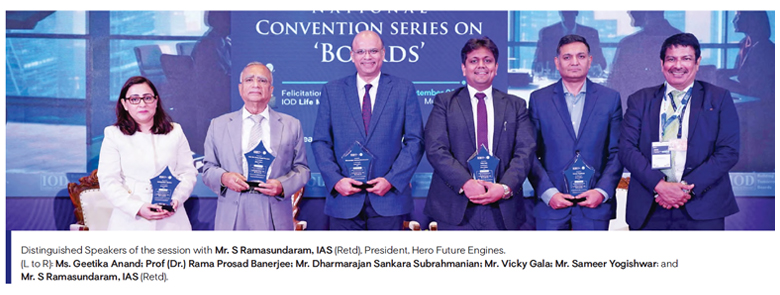
Ms. Geetika Anand
President, Company Secretary & Compliance Officer Hindalco Industries Limited, Aditya Birla Group
Ms. Anand highlighted the evolving role of boards from compliance oversight to strategic stewardship, emphasising that directors must look beyond past performance to drive long-term value creation and prepare organisations for future challenges. She stressed the importance of ensuring that financial figures are properly audited and supported by credible evidence, reinforcing the need for transparency and sound decision-making. A key focus of her address was the boardroom's readiness to ask the right questions, particularly regarding artificial intelligence. She urged directors to examine whether AI-generated insights and algorithms had been adequately tested by humans and whether their outcomes could be relied upon in critical decisions. Drawing on the principles of strategic governance, foresight, resilience and responsible growth, Ms. Anand called for rigorous strategy testing, scenario planning and stronger internal controls. She also emphasised integrating ESG considerations, ethical conduct, customer fairness and human accountability into business decisions. Her address reinforced that good governance should not constrain growth; rather, it should provide the direction, safeguards and foresight needed to pursue sustainable opportunities while remaining prepared for emerging risks.
The Session had the following Distinguished Speakers:
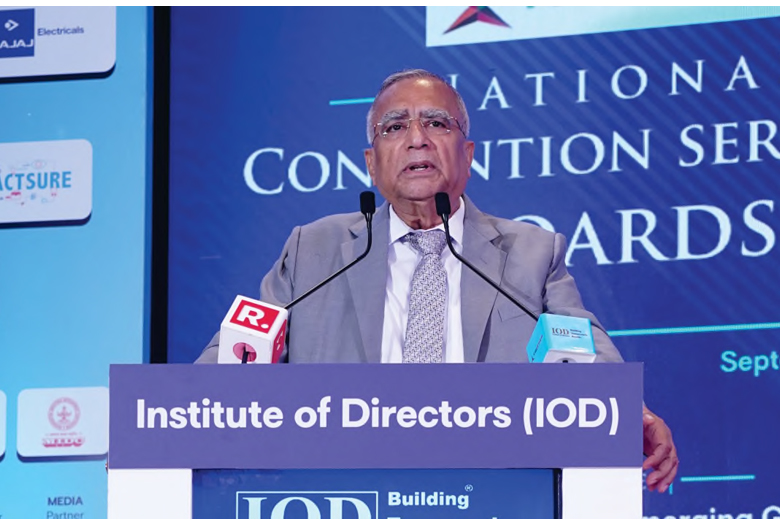
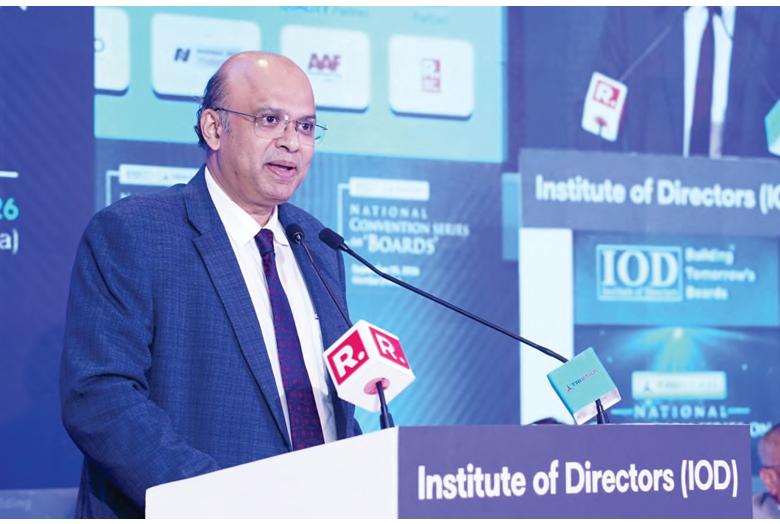
1. Prof. (Dr.) Rama Prosad Banerjee
Chairman & Director
EIILM- Kolkata, India
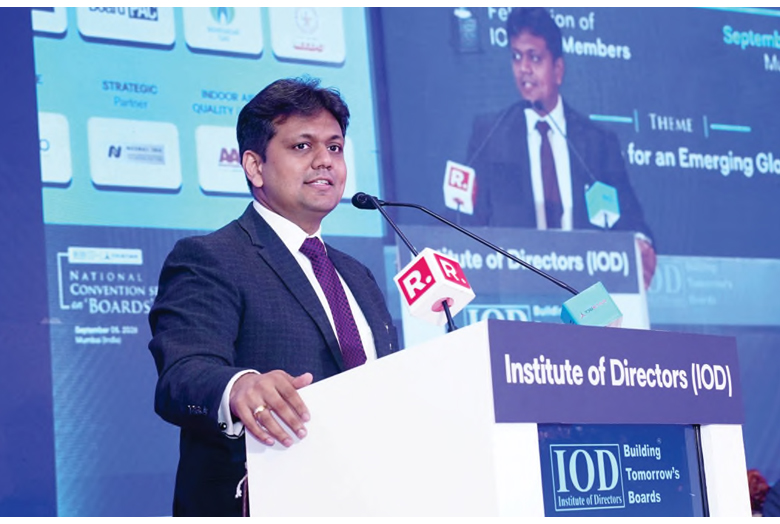
2. Mr. Dharmarajan Sankara Subrahmanian
Managing Director & Chief Executive Officer
Impactsure Technologies Private Limited
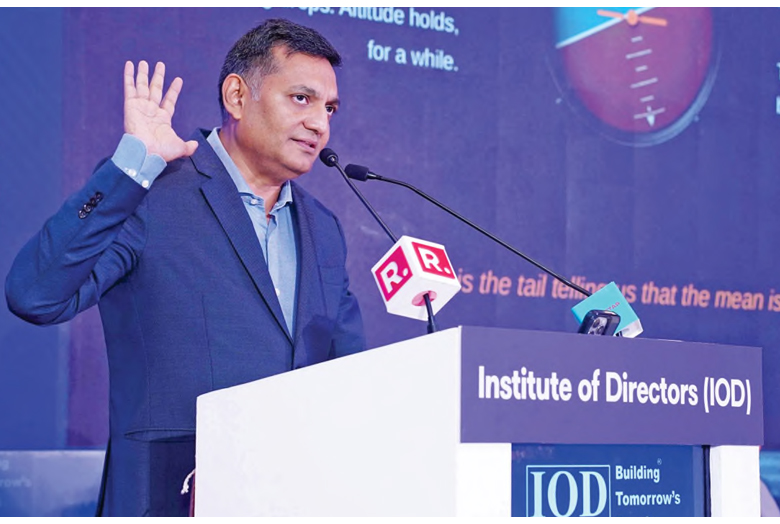
3. Mr. Vicky Gala
Associate Managing Director
KROLL
4. Mr. Sameer Yogishwar
Chief Operating Officer, HDFC Life; and
Non-Executive Director, HDFC International Life & RE
Prof. Banerjee opened his session with a case study, followed by a verse from the Bhagavad Gita, emphasising the importance of approaching work with dedication, equanimity and a positive state of mind. He illustrated how seemingly small details can shape larger perceptions, citing the example of a simple airport carpet and its influence on the overall passenger experience. The example underscored how attention to detail can create a meaningful impact on organisational performance and stakeholder experience. Referring to a Forbes report on AI outperforming traditional approaches, he highlighted the growing importance of understanding emerging technologies and their implications for decision-making. He stressed that boardrooms must remain future-ready, recognising that challenges and disruptions are inevitable, but need not become barriers to progress. Instead, boards must cultivate the resilience and resourcefulness to navigate uncertainty and turn challenges into opportunities. Concluding on an optimistic note, Dr. Banerjee urged boards to embrace the future with confidence, courage and conviction, encapsulating his message in the call to “invite the future and say, let's win!”
Mr. Subrahmanian traced the origins of artificial intelligence to 1956, when John McCarthy coined the term, and examined how organisations could prepare for an uncertain technological future. He observed that the real challenge lay not in the technology itself, but in how boards and organisations understood and integrated it into business strategy. While directors need not be technology experts, he stressed the importance of understanding AI's business implications, particularly in fraud detection, customer acquisition, strategic decision-making and cybersecurity. He urged boards to look beyond immediate concerns and ask, 'What next?' and 'What options do we have?', recognising that automation, while improving efficiency, could also introduce new risks. He outlined three pillars of AI governance: Data, Decision-making and Accountability, urging directors to examine the credibility of data, the basis of algorithmic decisions and the ownership of outcomes. Concluding, Mr. Subrahmanian emphasised that algorithms cannot assume responsibility. Boards must therefore ensure clear human accountability, responsible AI adoption and business continuity, building trust in technology while remaining prepared to own the consequences when decisions go wrong.
Mr. Gala examined the opportunities and challenges presented by artificial intelligence, highlighting its growing significance in business strategy and boardroom decision-making. He distinguished between two fundamental responsibilities of directors: Compliance & Governance. While compliance ensures adherence to established rules and regulations, governance requires sound judgement, ethical decision-making and a commitment to acting in the best interests of the organisation and its stakeholders. He urged directors to look beyond immediate business performance and consider the disruptions that could threaten an organisation overnight, as well as the factors that sustain the relevance of its products and services in a rapidly changing marketplace. He also emphasised the often-overlooked human dimensions of governance, particularly organisational culture and the ability to recognise early warning signs before they escalate into larger concerns. Mr. Gala reaffirmed that people remain an organisation's greatest asset. He stressed that effective governance must bring together the right culture, appropriate technology and clear accountability to strengthen board effectiveness, build stakeholder confidence and foster organisational resilience.
Mr. Yogishwar used the aviation principles of pitch, roll and yaw to illustrate how boards can navigate growth, risk and organisational balance. Drawing a parallel between gaining altitude and business expansion, he noted that growth demands upfront capital and energy, requiring directors to assess whether the pace of expansion is financially sustainable. Through the concept of 'roll', he highlighted the need to detect hidden financial and operational imbalances, even when an organisation appears stable. 'Yaw', he explained, represented a gradual departure from the intended direction, which could manifest in organisational culture, conduct, business models or subsidiary operations before becoming visible in financial results. He challenged boards to consider how such deviations could be identified early. He distilled his message into three principles: (i) Climb without stealing, (ii) Descend without grazing, and (iii) Roll without losing attitude, emphasising disciplined growth, timely strategic retreat and early correction of imbalances. Mr. Yogishwar reinforced that even the best pilots make mistakes; what distinguishes them is their ability to recognise deviations and recover in time. Similarly, future-ready boards must prioritise vigilance, adaptability and timely corrective action.
PLENARY SESSION – III
REGULATORY EXPECTATIONS, CORPORATE GOVERNANCE & BOARD ACCOUNTABILITY: STRENGTHENING GOVERNANCE IN INDIA'S FINANCIAL CAPITAL
The was delivered by 'Special Address' the Session Chair:
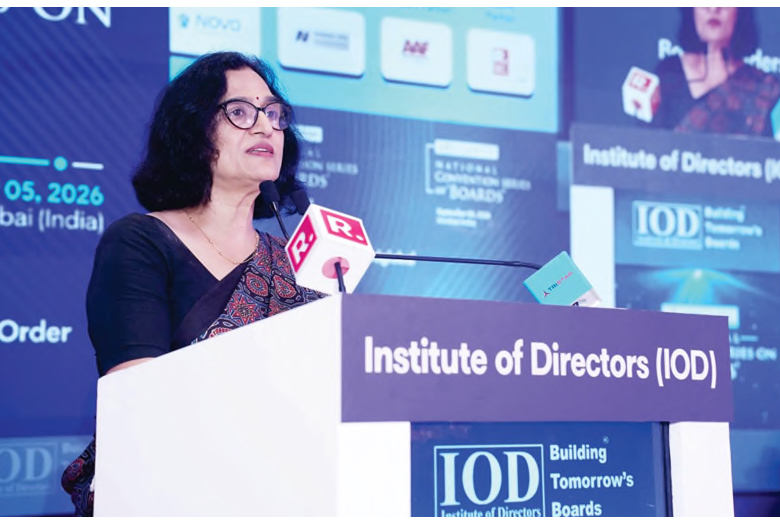
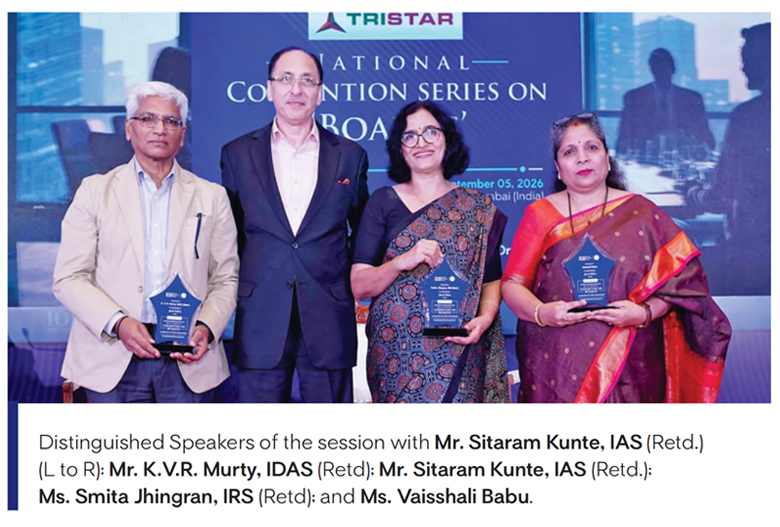
Ms. Smita Jhingran, IRS (Retd.)
Whole Time Member
National Financial Reporting Authority (NFRA)
Ms. Jhingran approached the discussion from the shareholders' perspective, underscoring the importance of investor protection and robust governance in sustaining confidence in financial markets. She outlined the role of the National Financial Reporting Authority (NFRA) in setting standards, reviewing audit quality and addressing auditor misconduct and financial reporting concerns. Highlighting the gap between retail investors' expectations and the realities of financial reporting, she stressed that financial statements must present a true and reliable picture of an organisation's position within the regulatory framework. She emphasised that constructive communication among auditors, management and the board was essential to bridging this gap. While auditors must ask probing questions, management must remain open to scrutiny and provide clear, evidence-based responses. Ms. Jhingran further noted that a high-quality audit should extend beyond identifying errors to preventing them. She highlighted the critical role of boards, Audit Committees and those charged with governance in ensuring effective oversight. While concluding, she reinforced that transparent, two-way communication between auditors and the board is fundamental to strengthening accountability, protecting stakeholders and building lasting investor confidence.
The Session had the following Distinguished Speakers:
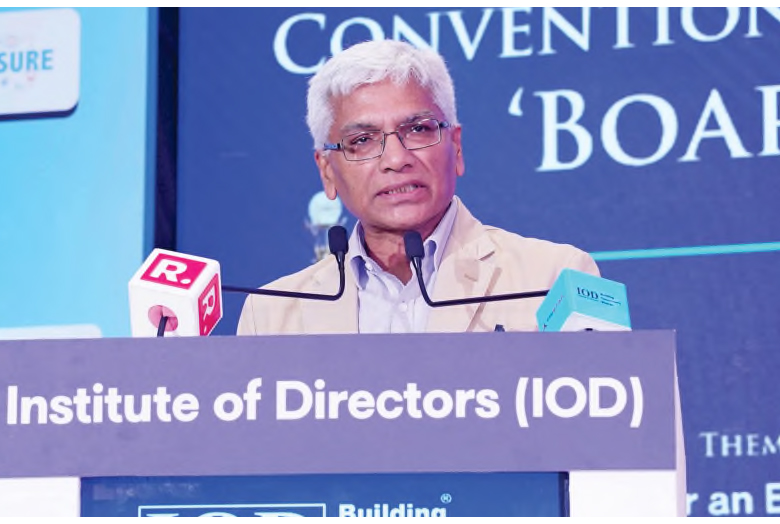
1. Mr. K. V. R. Murty, IDAS (Retd.)
Whole Time Member
Securities and Exchange Board of India (SEBI)
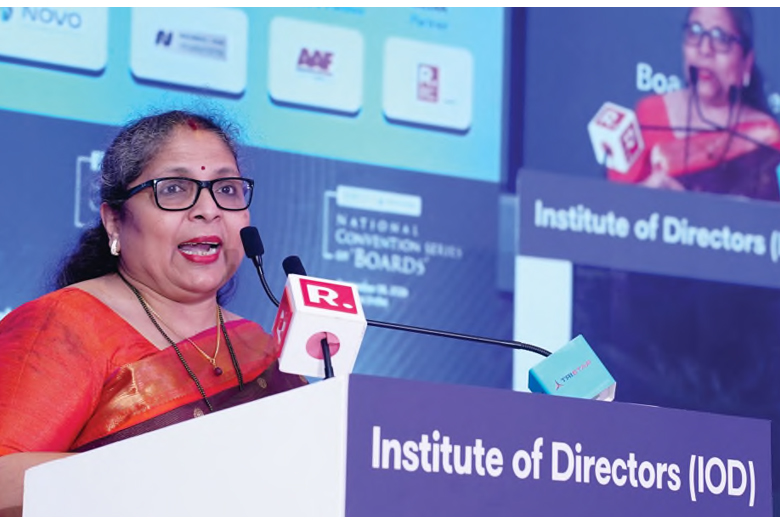
2. Ms. Vaisshali Babu
Managing Director & Chief Executive Officer
BSE Clearing Limited (BSECL)
Mr. Murty, drawing on a market regulator's perspective, emphasised that effective board oversight begins with reliable information, rigorous fact-checking and the willingness to challenge assumptions before taking informed action. Referring to Ravana's downfall, he illustrated how conduct and character can ultimately shape the fate of individuals and institutions. He stressed that risk management must be a continuous process, urging directors to consider how they would respond when early warning signs indicate that something may be amiss. He highlighted the importance of verifying the accuracy, credibility and source of information presented to the board. Independent Directors, he noted, must move beyond procedural compliance and positional responsibilities to examine the underlying realities, ask meaningful questions and strengthen board deliberations. Mr. Murty also underscored the need for clearly defined responsibilities, effective committee approvals and a strong organisational culture. While policies and committees provide essential governance structures, he observed that culture ultimately shapes behaviour and accountability. He finally urged the boards to ensure that committees serve a clear purpose and deliver meaningful outcomes rather than exist merely to fulfil compliance requirements.
Ms. Babu identified technology and people as the two essential pillars of effective digital governance. Drawing on BSE's experience, she highlighted the scale and speed of financial transactions and the corresponding responsibility to safeguard retail investors. She stressed that corporate social responsibility must extend beyond regulatory compliance to reflect a genuine commitment to stakeholders, particularly by ensuring that investors' funds reach the right beneficiaries securely and efficiently. She urged boards to assess whether their organisations possess the technological infrastructure, operational capacity and oversight mechanisms required to manage rising transaction volumes and anticipate emerging risks. Rather than reacting to problems after they arise, she emphasised the importance of foresight and proactive decision-making. She also underscored the role of technology as critical business infrastructure, citing BSE's use of Software as a Service (SaaS) and highlighting collaboration and innovation as drivers of stronger digital capabilities. Her address reinforced that technology alone cannot ensure resilience. Sustainable digital governance depends on aligning people, systems, capacity and accountability to build secure, responsive and future-ready institutions.
PLENARY SESSION – III (A)
The 'Knowledge Partner Remarks' were delivered by:
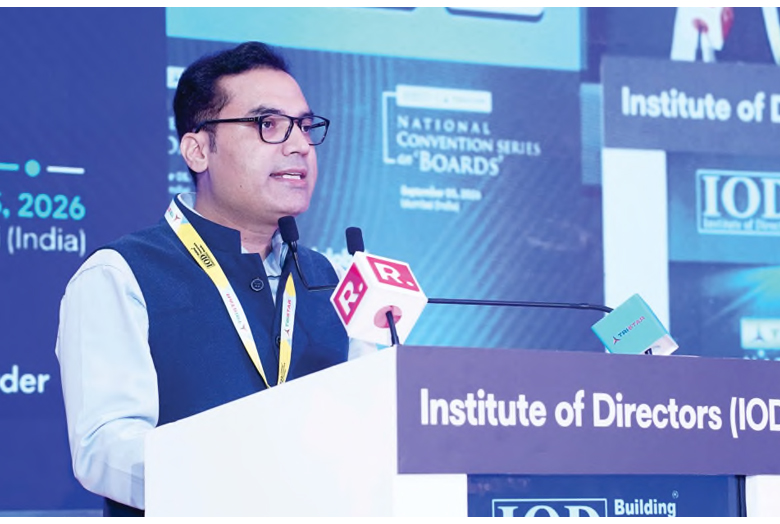
Mr. Sundeep Jakhar
Head of Public Affairs – India
Association of Chartered Certified Accountants (ACCA)
Mr. Jakhar highlighted the growing complexity and unpredictability of the global business environment, noting how geopolitical tensions could rapidly disrupt trade and supply chains. He urged organisations to shift their focus from prediction to preparedness, recognising that political developments could quickly translate into significant business risks. Emphasising that resilience extends beyond having contingency plans to the ability to respond when those plans fail, he called for a more adaptive approach to risk management. He also examined the growing role of artificial intelligence in improving supply-chain efficiency and profitability, while cautioning against risks relating to algorithmic bias, data protection and accountability. Mr. Jakhar observed that directors need not be technology experts but must possess sufficient understanding to assess emerging risks and bring their experience to critical decisions. He encouraged boards to look beyond available data, test multiple scenarios and challenge assumptions rather than rely on a single forecast of the future.
PLENARY SESSION – IV
INDEPENDENT DIRECTORS: STRENGTHENING BOARD LEADERSHIP, ACCOUNTABILITY & STRATEGY OVERSIGHT
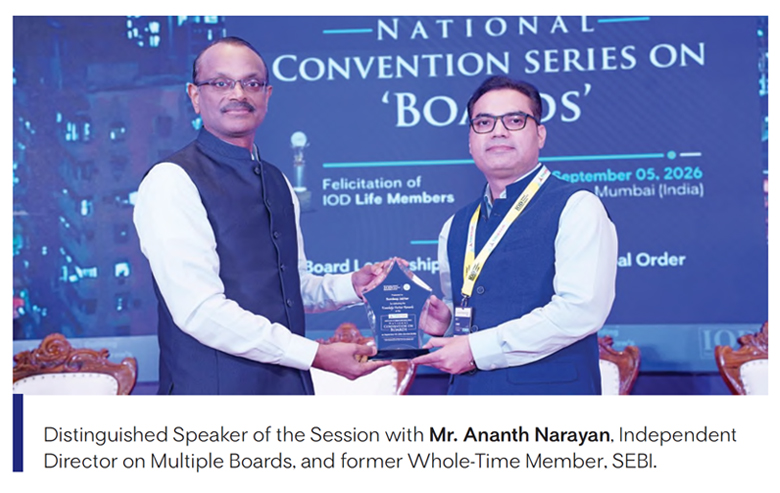
The was delivered by 'Special Address' the Session Chair:
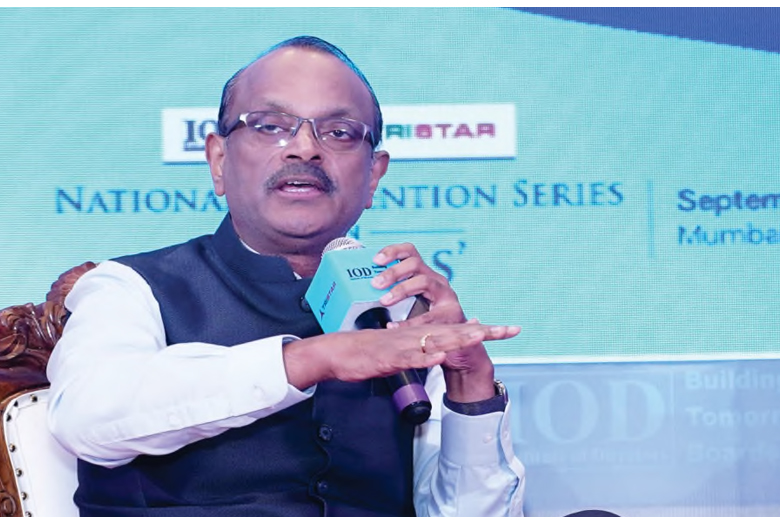
Mr. Ananth Narayan
Independent Director on Multiple Boards
(SBI Capital Markets Ltd.; CARE Ratings Ltd. and Bharat FIH Ltd. etc.); and former Whole Time Member, SEBI
Mr. Narayan drew on his experience as both a regulator and an Independent Director to underscore the importance of sound judgement, diligent oversight and accountability in boardroom decision-making. He observed that organisational failures could expose directors to scrutiny, making it essential for them to discharge their duties with due care and diligence. He also noted that SEBI's final orders do not necessarily establish a director's responsibility where no omission or failure of duty has occurred. Emphasising the importance of active board participation, Mr. Narayan urged Independent Directors to ask pertinent questions, seek satisfactory explanations and ensure that significant concerns were appropriately examined. He stressed that directors must not shy away from disagreement when circumstances warrant it, but should express dissent respectfully and constructively. He further underscored the importance of accurately recording directors' views, concerns and dissenting opinions in meeting minutes. Such documentation, he noted, promotes transparency, clarifies individual responsibilities and strengthens accountability, reinforcing the Independent Director's role in upholding effective corporate governance.
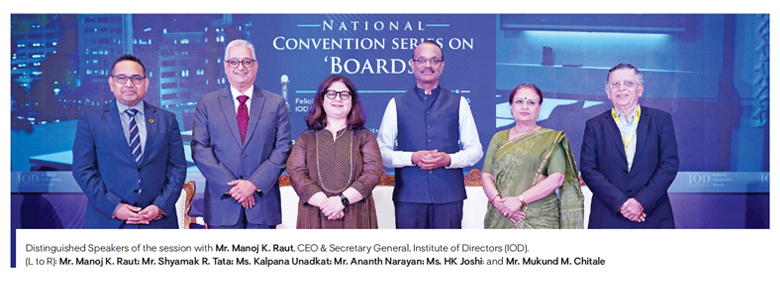
The Session had the following Distinguished Speakers:
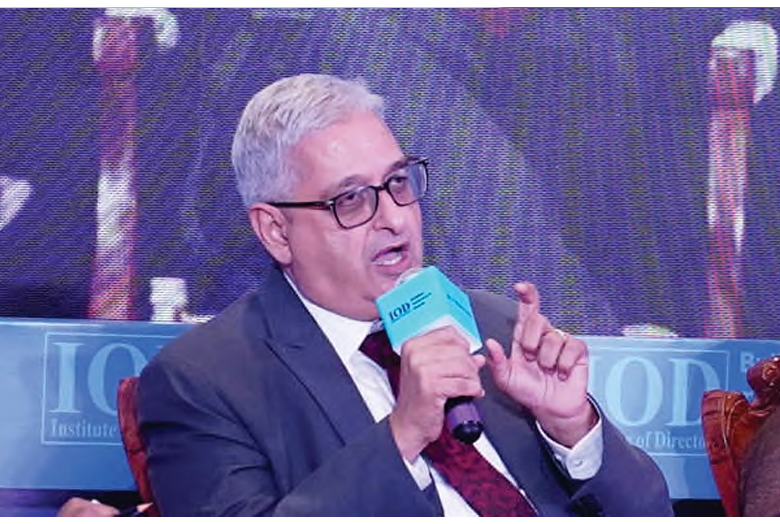
1. Mr. Shyamak R. Tata
Independent Director on Multiple Boards
(Siemens Ltd.; Thermax Ltd. and Endurance
Technologies Ltd. etc.); and
former Chairman, Deloitte India
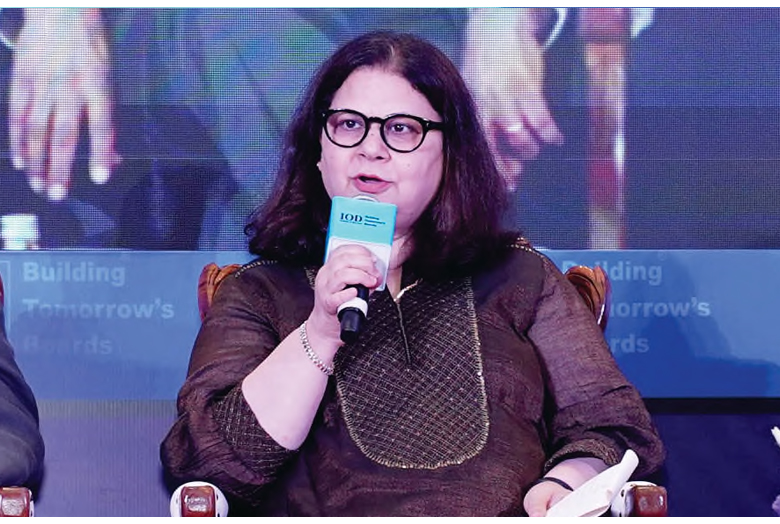
2. Ms. Kalpana Unadkat
Independent Director on Multiple Boards
(Chair - DMart-Avenue Supermarts Ltd.;
TVS Motor Company Ltd., and
ERIS Lifesciences Ltd. etc.)
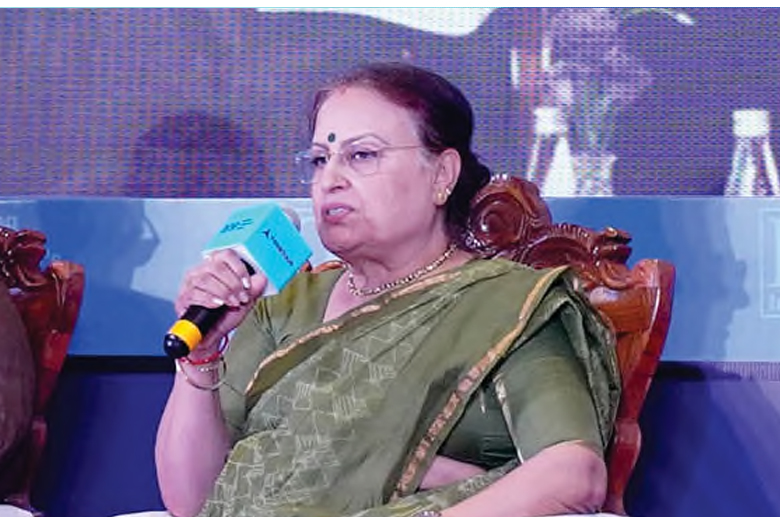
3. Ms. H.K. Joshi
Independent Director on Multiple Boards
(Gujarat Pipavav Port Ltd; and Donear Industries Ltd.
etc.); and former Chairperson & Managing Director,
Shipping Corporation of India Limited (SCI)
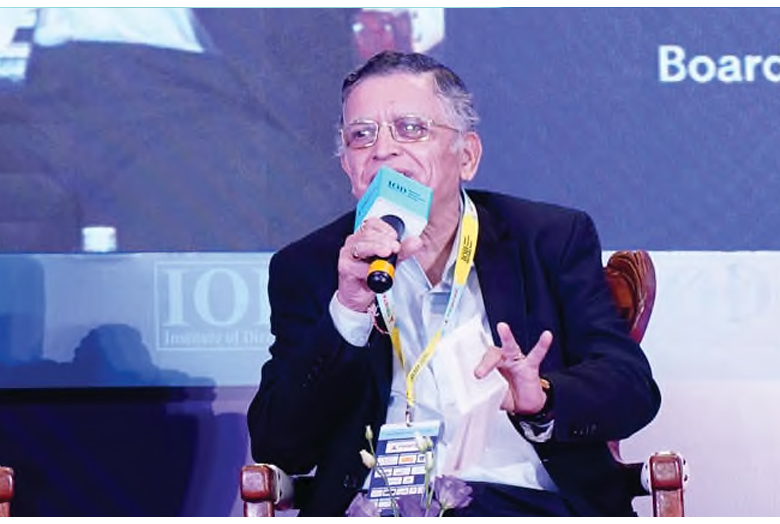
4. Mr. Mukund M. Chitale
Independent Director on Multiple Boards
(L&T Ltd.; ONGC Petro Additions Ltd.; and
ASREC (India) Ltd. etc.); and
Ex-President of The Institute of Chartered
Accountants of India
Mr. Tata discussed two fundamental processes that are important for building a successful and effective board:
1) To ensure that the board is “fit for purpose”
He emphasised that board composition must extend beyond experience and past achievements to include the right capabilities, willingness to learn and adaptability to changing business realities. Directors, he noted, must remain open to new perspectives, take ownership of their responsibilities and contribute to a culture where differing views can be expressed freely. He cautioned against a 'done-and-dusted' mindset, urging boards to continually reassess their effectiveness and prepare for emerging challenges.
2) Quality of discussion & decision-making
He stressed that constructive debate and diverse perspectives are essential to sound judgement. Board discussions should go beyond consensus to challenge assumptions, examine alternatives and consider the wider implications of decisions. He also highlighted the importance of a robust regulatory framework, while noting that rules alone cannot ensure effective governance. Their true value lies in consistent implementation and integration into boardroom practices.
His address reinforced that effective boards are built on capable directors, open dialogue and a sustained commitment to improvement.
Ms. Unadkat emphasised the importance of directors carefully reviewing draft board meeting minutes to ensure that their views, concerns and disagreements were accurately reflected. She stressed that directors should seek clarification when their comments were not incorporated into the final minutes, as clear documentation strengthens transparency and safeguards individual accountability. She also highlighted the role of the Nomination and Remuneration Committee (NRC) and Independent Directors in identifying the skills and expertise required to build a well-rounded board. Underscoring the value of board diversity, including greater representation of women, she noted that diversity alone does not guarantee effectiveness. What matters equally is the ability of directors to contribute meaningfully, challenge prevailing assumptions and bring independent judgement to boardroom deliberations. Ms. Unadkat further observed that independence is not merely a designation but a responsibility that demands conviction and courage. Independent Directors, she emphasised, must be willing to question decisions, express dissent when necessary and uphold their judgement in the best interests of the organisation. Her address reinforced the importance of accountability, balanced board composition and the courage to speak up.
Ms. Joshi examined the evolving role of Independent Directors, emphasising the influence of organisational culture on governance, decision-making and risk management. She observed that every organisation has its own culture and operating dynamics, making a uniform approach to governance inadequate. As businesses expand, strategies evolve and risks become more complex, she noted that traditional experience and established skill sets must be complemented by adaptability, diverse perspectives and independent judgement. Highlighting the value of board diversity, Ms. Joshi explained that different viewpoints encourage deeper analysis, challenge conventional thinking and strengthen the quality of boardroom deliberations. Reflecting on lessons from major corporate governance failures, including the Satyam case, she underscored the need for directors to remain vigilant and exercise informed oversight. She urged Independent Directors to look beyond the information presented in board reports and ask not only whether all relevant facts were being disclosed, but also what might be missing. This approach, she noted, enables directors to identify potential blind spots, uncover emerging risks and strengthen accountability, reinforcing the importance of curiosity, vigilance and sound judgement in effective board leadership.
Mr. Mukund discussed corporate governance through the perspectives of the public sector, private sector and regulators, emphasising that effective board functioning is reflected in the quality of deliberations, decisions and meeting minutes. He highlighted the importance of accurate documentation and stronger two-way communication between boards and their committees, noting that meaningful oversight depends on the timely exchange of information and perspectives. He cautioned against directors expressing views outside the boardroom that they had withheld during formal discussions. Instead, he urged directors to articulate their positions openly, whether in agreement or disagreement, and support them with clear reasoning. Such candour, he noted, strengthens collective decision-making and ensures that differing perspectives receive due consideration. Mr. Mukund reinforced that independence must be demonstrated through the confidence to exercise independent judgement and take a considered stand when necessary. He stressed that a director's opinion carries weight when expressed with conviction and responsibility, and that director must be prepared to stand by the views they express and the decisions they endorse.
PLENARY SESSION – V
STRENGTHENING BOARD OVERSIGHT FOR AI, CYBER RESILIENCE AND DIGITAL TRUST
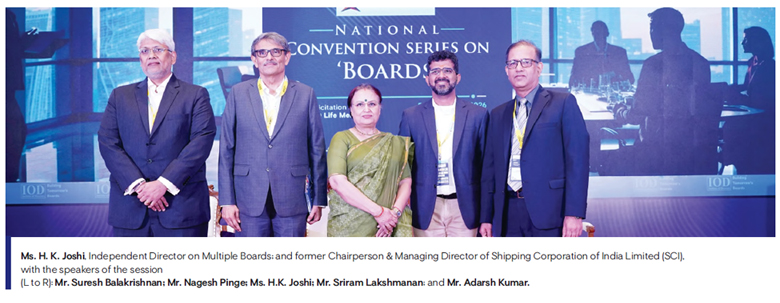
The Session had the following Distinguished Speakers:
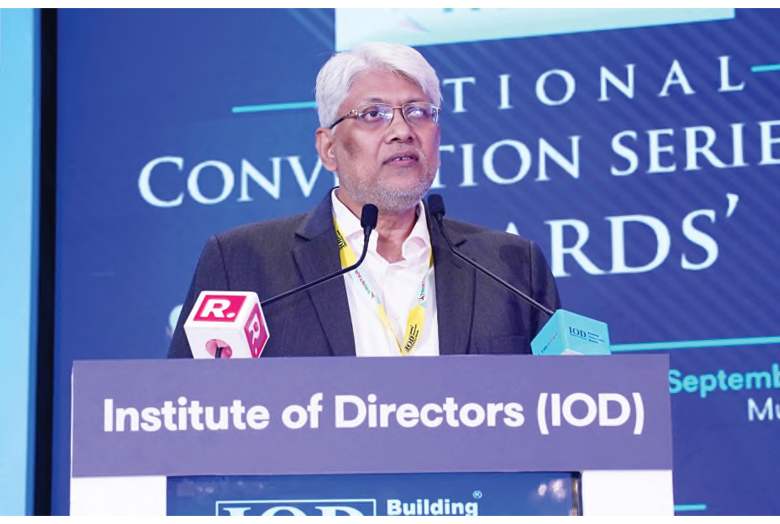
1. Mr. Suresh Balakrishnan
Director
Novo Insurance Broking Services Private Limited
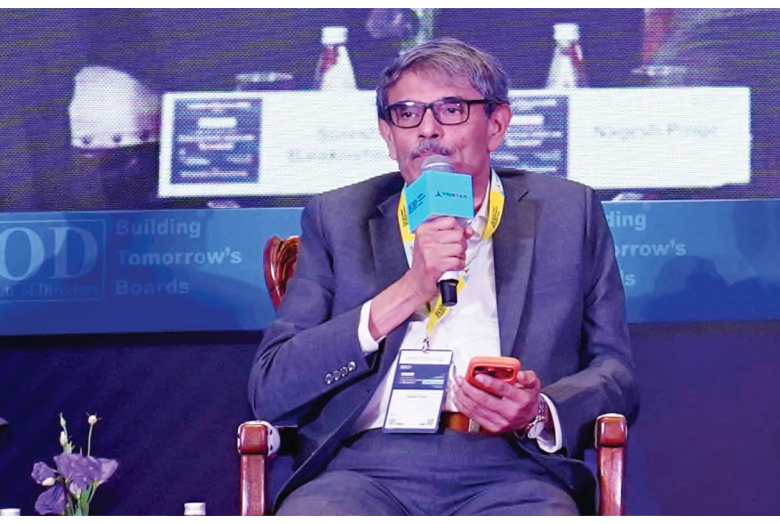
2. Mr. Nagesh Pinge
Independent Director on Multiple Boards
(Aditya Birla Capital Limited, Hero Housing Finance,
Arvind Fashions Limited etc.)
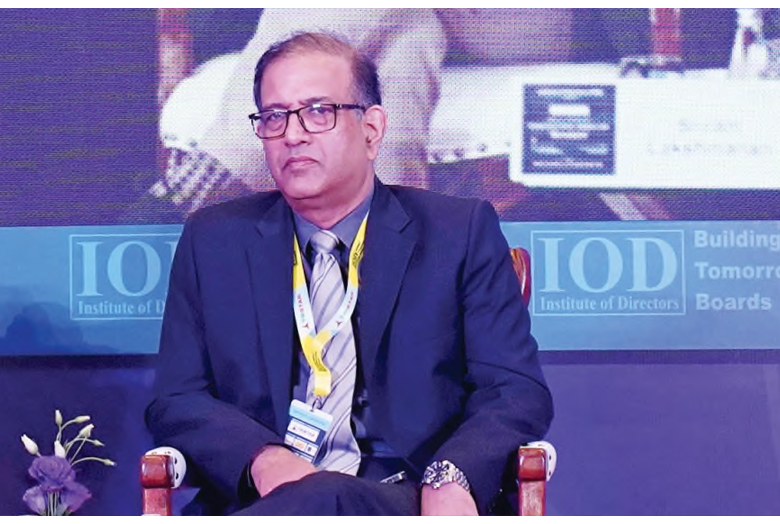
3. Mr. Adarsh Kumar
MD & CEO, Flamingo BPO Technology Solutions Ltd.;
President, BRICS CCI;
Board Member - FORE School of Management, and
Chairman - PATUT NGO
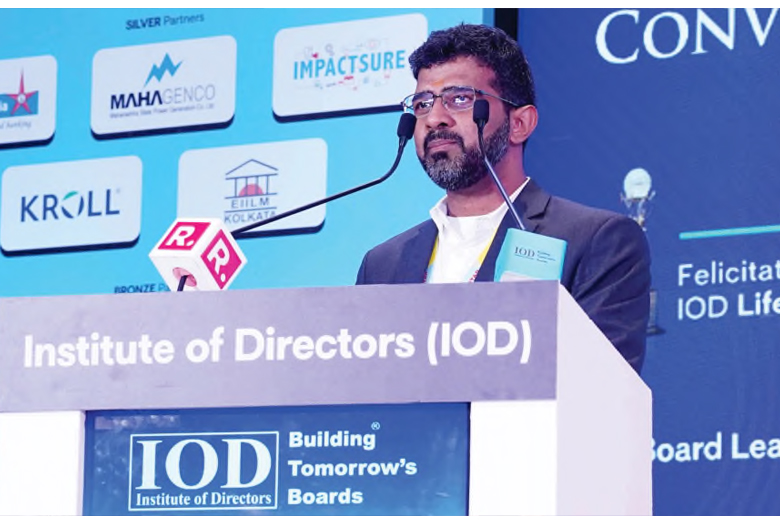
4. Mr. Sriram Lakshmanan
Deputy Chief Information Security Officer
Genpact Limited
Mr. Balakrishnan highlighted that the boardrooms of the future will be increasingly technology-enabled, requiring directors to develop a sound understanding of emerging technologies without necessarily becoming technical experts. He emphasised that effective oversight of artificial intelligence (AI) and digital transformation depends on recognising both their potential and the risks associated with their rapid evolution. He outlined three priorities for boards: (i) Understanding what the technology is doing; (ii) Identifying the residual risks that remain, and; (iii) Ensuring adequate contingency resources and capital to respond when risks materialise. He also highlighted insurance as a valuable tool for managing emerging technology and cyber risks. His overall message was that future-ready boards should combine technology awareness, risk management, adequate preparedness, and insurance to strengthen organisational resilience. Mr. Balakrishnan also underscored the value of insurance as a risk-mitigation tool, particularly in addressing emerging technology and cyber threats. His central message was that future-ready boards must combine technological understanding with robust risk management, financial preparedness and appropriate insurance protection. Such an integrated approach can help organisations navigate uncertainty and strengthen resilience in an increasingly digital business environment.
Mr. Pinge emphasised that as organisations generate and rely on vast amounts of data, boards must ensure its accuracy, security, reliability and responsible use. He outlined the five Vs of data: Values, Variability, Velocity, Volume and Veracity, underscoring the need for directors to understand the quality and implications of the information informing business decisions. He further cautioned against treating artificial intelligence (AI) as a 'black box', highlighting the importance of transparency in understanding how AI systems arrive at decisions. While directors need not master the underlying algorithms, they must have sufficient insight to exercise informed oversight. Another critical priority was Digital Trust, built on the responsible handling of data, stakeholder confidence and appropriate human supervision. Mr. Pinge also highlighted the role of insurance in managing technology-related risks, urging boards to assess coverage, premiums and adequacy against their organisation's exposure. He stressed that insurance must complement robust internal controls and risk-management frameworks, rather than serve as a substitute for them.
Mr. Kumar discussed the growing importance of technology as a key area of board oversight and highlighted the existing gap between the board and management, particularly in understanding technology-related risks. While earlier boards gradually developed financial knowledge and experience, today's boards need to become more aware of AI and emerging technologies. He also discussed the importance of digital trust and cybersecurity. Traditional board meetings were often focused on presentations and updates, whereas modern boards need to question assumptions and prepare for different outcomes. Questions such as “What if AI fails?” “Who will be responsible for an incorrect AI decision?”, “Can the organisation recover its data?”, should form part of board discussions. He emphasised that accountability cannot be shifted to AI. If an AI system makes a wrong decision, the organisation and its responsible people must remain accountable. Mr. Kumar also underscored on the need to build digital trust, AI literacy, cybersecurity, and strong accountability, as essentials for creating a future-ready board.
Mr. Lakshmanan affirmed that AI is here to stay, emphasising that its effectiveness depends on computational capability, relevant data and continuous professional training. He outlined three stages of AI development: Predictive AI, Generative AI and Agentic AI, highlighting the need for organisations to understand their evolving capabilities and associated vulnerabilities. On AI governance, he stressed the importance of robust controls over employee usage, data and intellectual property leakage, and privacy risks. Organisations must rely on approved tools, assess vendor-provided AI systems and retain a 'Human in Command' to ensure that accountability remains firmly with people. He also highlighted Cyber Risk Quantification (CRQ) as a means of estimating potential annual losses and strengthening risk-based decision-making. Emphasising resilience, Mr. Lakshmanan urged organisations to test whether critical operations could continue if an AI system became unavailable for 24 hours. He concluded that responsible AI governance should begin with the board and Audit Committee establishing a comprehensive inventory of AI and agentic systems, providing a clear foundation for oversight, accountability and business continuity.
PLENARY SESSION – VI
INTEGRATING ESG INTO BOARD STRATEGY, GOVERNANCE FRAMEWORKS AND BUSINESS DECISION-MAKING
The was delivered by 'Special Address' the Session Chair:
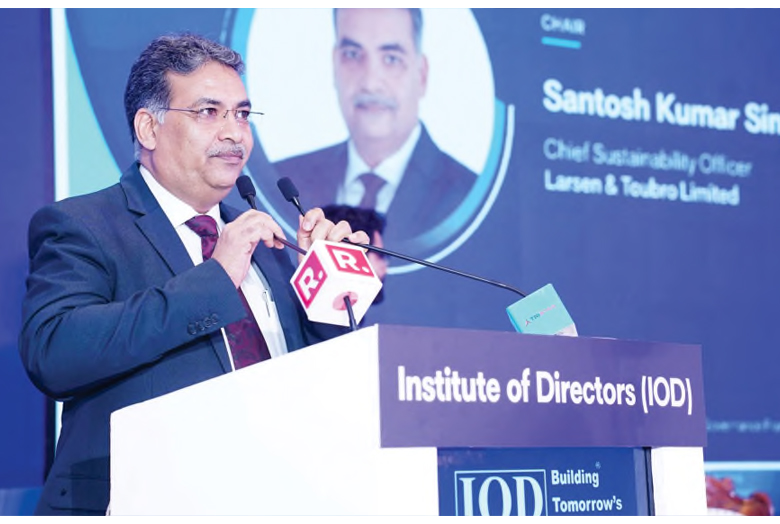
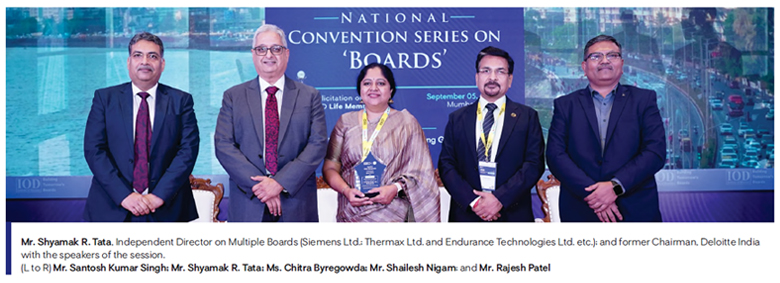
Mr. Santosh Kumar Singh
Chief Sustainability Officer
Larsen & Toubro Limited
Mr. Singh emphasised that climate change has evolved beyond an environmental concern to become a strategic business and boardroom priority. He urged boards to look beyond short-term reporting obligations and assess whether their decisions create enduring value for businesses and society. He noted that Environmental, Social and Governance (ESG) considerations must move beyond compliance and disclosure to become integral to corporate strategy and business practices. Highlighting changing stakeholder expectations, particularly among Gen Z, he stressed that organisations must demonstrate tangible progress towards their sustainability commitments rather than rely on policy statements alone. Boards, therefore, need to examine whether their business models are genuinely sustainable and whether ESG principles are reflected in operational decisions. Citing Larsen & Toubro's financial performance, Mr. Singh noted that around 51% of its revenue was associated with areas such as green energy, clean energy, water and wastewater treatment. This illustrated how sustainability can align with business growth, reinforcing the case for boards to view it as a strategic opportunity rather than merely a reporting obligation.
The Session had the following Distinguished Speakers:
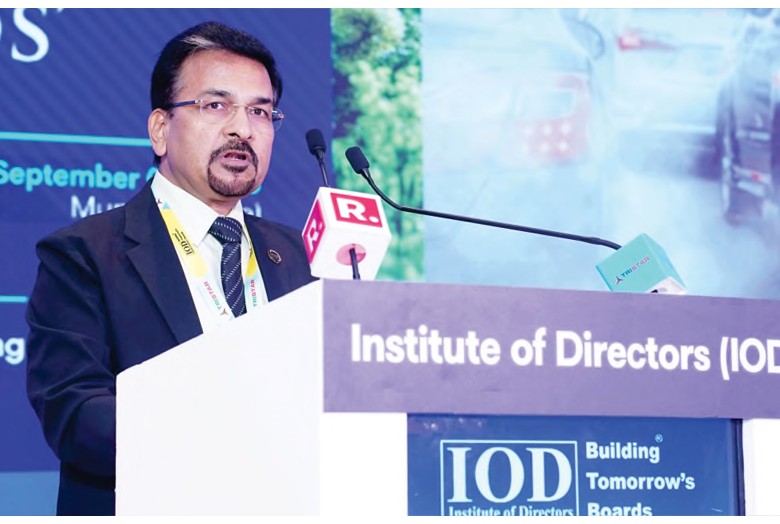
1. Mr. Shailesh Nigam
Chief Operating Officer
AAF (American Air Filter) EEMEA, CIS & SAARC
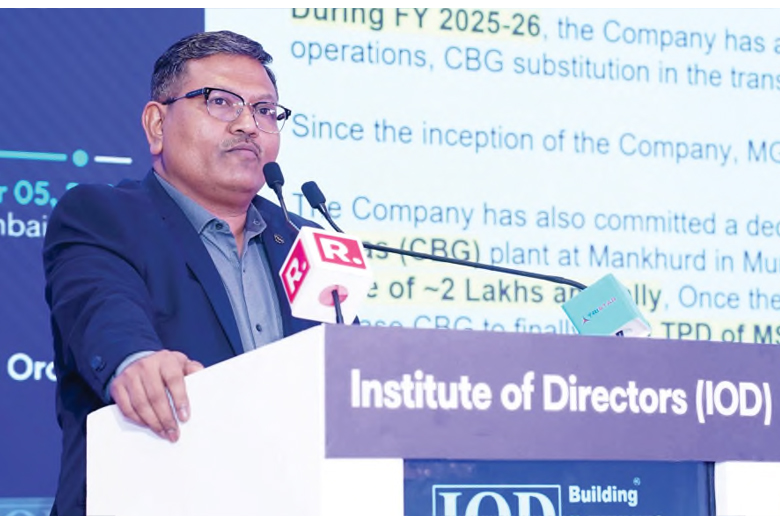
2. Mr. Rajesh Patel
Chief Financial Officer
Mahanagar Gas Limited
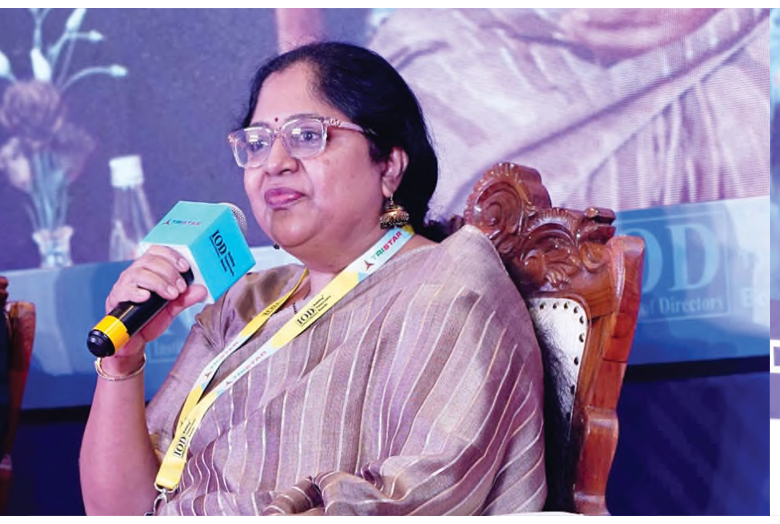
3. Ms. Chitra Byregowda
SVP & Global Head - ESG
Persistent Systems Limited
Mr. Nigam highlighted that climate change has become a pressing business and governance concern, with implications for supply chains, business continuity and operational resilience. Moving beyond rising global temperatures, he drew attention to the often-overlooked issue of indoor air quality, highlighting risks arising from inadequate ventilation, contaminated HVAC systems, particulate matter and other indoor pollutants. He emphasised that clean air should be viewed as a strategic investment rather than an additional operating cost. Energy-efficient HVAC and advanced filtration systems can improve workplace conditions while reducing energy consumption and carbon emissions, thereby contributing to broader Environmental, Social and Governance (ESG) objectives. Mr. Nigam urged boards to integrate indoor air quality into their ESG and risk-management frameworks through dedicated resource allocation, regular air-quality audits and targeted improvements. He also stressed the importance of measurable key performance indicators covering air quality, ventilation efficiency and workplace health, enabling organisations to monitor progress and strengthen employee well-being alongside environmental performance.
Mr. Patel underscored the transition from fossil fuels to cleaner energy sources, identifying natural gas as a transitional fuel in this journey. He highlighted that a significant share of the company's emissions arises from customer usage, making Scope 3 emissions reduction a critical priority. Its long-term decarbonisation strategy encompasses biomethane, carbon capture and green hydrogen to support its net-zero ambitions. Outlining key Environmental, Social and Governance (ESG) initiatives, Mr. Patel cited the development of a 350-tonne-per-day compressed biogas (CBG) plant using municipal solid waste, alongside investments in solar power, energy-efficient motors and digital processes to reduce emissions and enhance operational efficiency. Looking ahead, he explained that the company is diversifying beyond conventional gas into electric vehicle fleets, battery manufacturing, LNG logistics and renewable energy. Investments in emerging technologies, supported by pilot projects for green hydrogen blending, reflect a forward-looking approach to managing the energy transition while preparing the business for a more sustainable and resilient future.
Ms. Byregowda traced the evolution of Environmental, Social and Governance (ESG) practices to the 1990s, when organisations began addressing workplace and plant safety, employee well-being and environmental concerns, including water usage and gas emissions. She observed that ESG continues to be viewed by many organisations primarily through the lens of reporting and compliance, rather than as an integral part of strategic decision-making. She cautioned that reporting expenditure on Corporate Social Responsibility (CSR), such as the mandatory 2% allocation, alone does not adequately reflect an organisation's broader ESG performance. Emphasising the need for a more holistic approach to value creation, Ms. Byregowda urged boards to look beyond financial capital and recognise the importance of human, natural and social capital. She called for ESG considerations to become a regular feature of boardroom deliberations, supported by meaningful questioning, relevant expertise and effective representation, enabling directors to embed sustainability into business strategy and long-term value creation.
PLENARY SESSION – VII
TRUST AT THE TOP: BOARD LEADERSHIP FOR REPUTATION, RESILIENCE AND STAKEHOLDER CONFIDENCE
The was delivered by 'Special Address' the Session Chair:
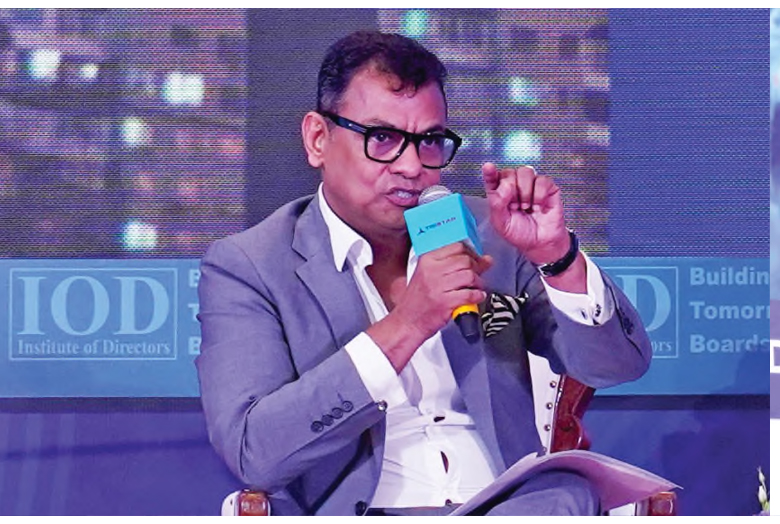
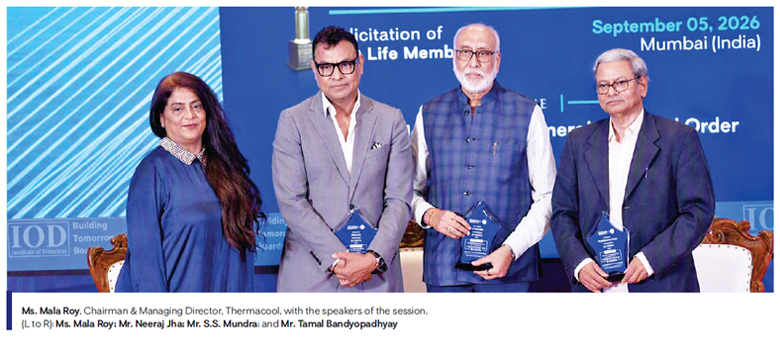
Mr. Neeraj Jha
Founder & MD
Neeraj Jha Brand & Reputation Advisory
Mr. Jha emphasised that trust is fundamental to the banking sector, where institutional reputation and stakeholder confidence are closely linked to long-term success. Given that banks manage public money and sensitive financial relationships, he noted that boards carry a significant responsibility to uphold trust through sound governance, responsible decision-making and transparent communication. He highlighted that trust and reputation cannot be built through isolated initiatives; they develop over time through consistent performance and sustained engagement with stakeholders. Boards must therefore continually assess whether their decisions and actions reinforce confidence in the institution. He further observed that trust strengthens organisational resilience, enabling institutions to navigate uncertainty and difficult situations while maintaining stakeholder confidence. Mr. Neeraj urged boards to assess their responsibilities through three interconnected lenses: the past, present and future. While past actions shape reputation, present decisions influence stakeholder confidence, and future choices determine whether that trust can be sustained. This perspective reinforces the need for consistent, forward-looking governance.
The Session consisted of the following Distinguished Speakers:
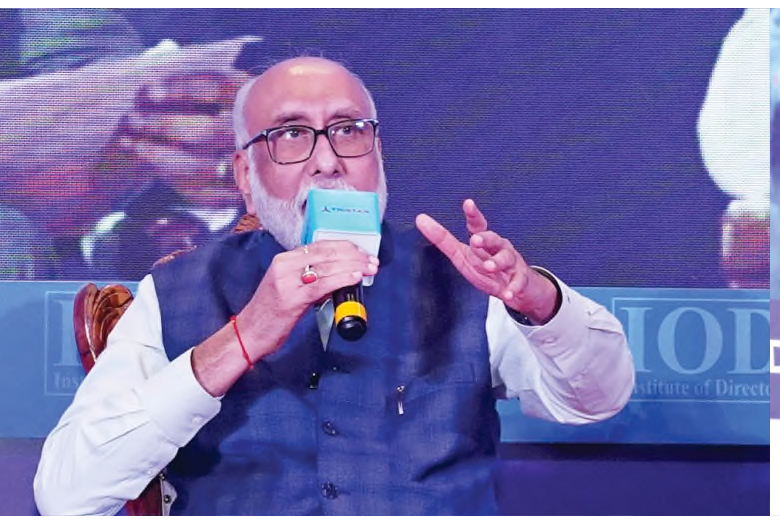
1. Mr. S. S. Mundra
Former Deputy Governor, Reserve Bank of India (RBI)
former Chairman- BSE Ltd.,
former CMD – Bank of Baroda; and
Independent Director on Multiple Boards
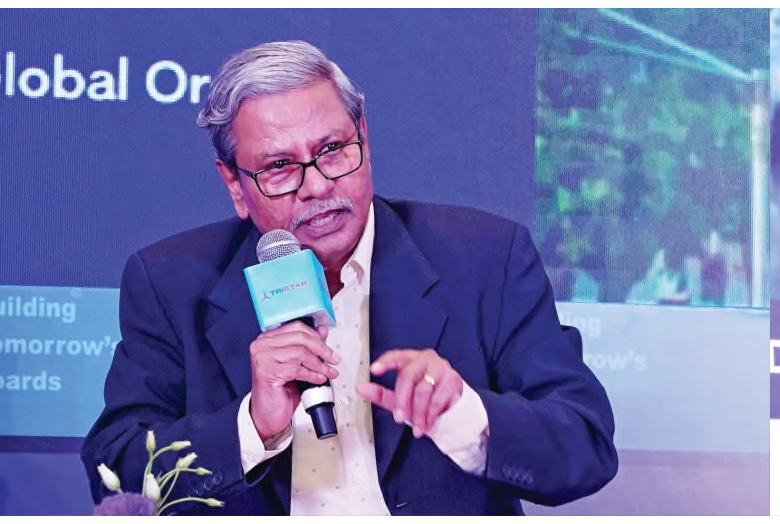
2. Mr. Tamal Bandyopadhyay
Prominent Indian Business Journalist, Author, and
Financial Commentator
Mr. Mundra observed that while boards recognise the importance of reputation, many lack a clear strategy to safeguard it. He emphasised that legal compliance alone cannot protect an organisation's standing, which is equally shaped by leadership, organisational culture, ethical conduct and how it treats customers, particularly during crises. Unlike public relations, reputation is built through everyday actions and consistent behaviour. He cautioned that reputational damage can extend beyond regulatory penalties, triggering talent loss, investor withdrawal, supply chain disruption and threats to an organisation's licence to operate. Although financial ratings and ESG scores offer useful indicators, reputation rests on the deeper foundations of trust, credibility and societal expectations. As reputation takes years to build but can be damaged overnight, its protection must remain a collective board responsibility, rather than being delegated to a committee. Mr. Mundra advocated a focused dashboard to monitor trust and credibility, alongside stronger boardroom questioning and thoughtful succession planning to ensure future leaders demonstrate the integrity and character needed to sustain stakeholder confidence.
Mr. Bandyopadhyay traced the origins of reputation to the Latin concept of 'reckoning' or 'consideration', emphasising that it ultimately reflects how an organisation is perceived by its stakeholders. He stressed that reputation rests on sound governance, ethical leadership and organisational culture, extending beyond numerical indicators such as Net Promoter Scores (NPS), trust indices and reputation ratings. While these metrics offer useful insights, they cannot fully capture the human dimensions of trust. He advocated structured stakeholder engagement, regular reputation surveys and a dedicated reputation score that reflects everyday conduct, including employee treatment and fairness towards vendors. Given that reputation develops over time, he recommended assessing it across a two-to-four-year horizon, supported by a simple traffic-light system to identify emerging concerns early. Mr. Bandyopadhyay concluded that reputation must be anchored in ethical conduct and proactive board oversight. In an increasingly connected world, timely attention to stakeholder concerns can help boards prevent reputational vulnerabilities from escalating into crises.
PLENARY SESSION – VII (A)
A SPECIAL TALK ON TRUST. QUALITY. TRANSPARENCY (TQT): BUILDING A GLOBALLY COMPETITIVE FOOD & DRUGS INDUSTRY
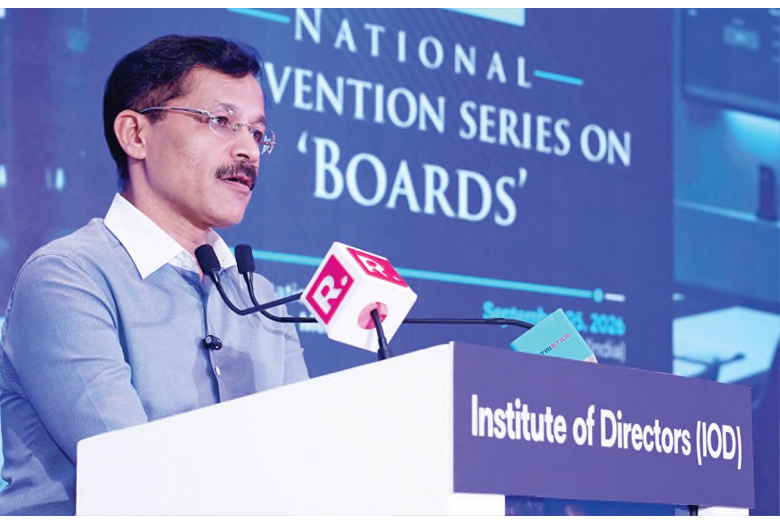
Mr. Tukaram Mundhe, IAS
Commissioner – Food and Drug Administration (FDA)
Government of Maharashtra
Mr. Munde centred his address on Trust, Quality and Transparency (TQT), identifying leadership as the fourth essential pillar of responsible governance. He called for a decisive shift from compliance on paper to effective implementation on the ground, emphasising that while regulations establish the framework, genuine compliance depends on the commitment of every department and organisational level. He noted that regulators and corporate boards, despite their differing responsibilities, share a common objective of building trustworthy and responsible institutions. Independent Directors, therefore, must exercise independent judgement, question assumptions and speak candidly in the interests of stakeholders. He also underscored the role of auditors in ensuring that financial statements reflect facts rather than a carefully constructed narrative. Drawing attention to food and pharmaceutical safety, Mr. Munde highlighted the public consequences of adulteration, expired medicines and inadequate quality controls. He concluded that compliance provides the foundation, but leadership is demonstrated when organisations go beyond regulatory requirements and ensure that their stated commitments are reflected in actual practice.
PLENARY SESSION – VIII
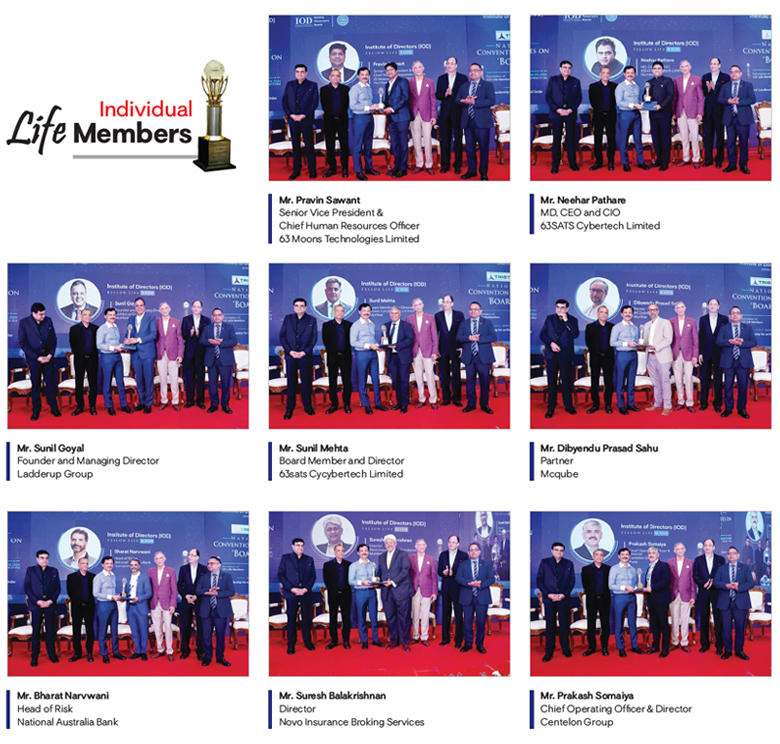
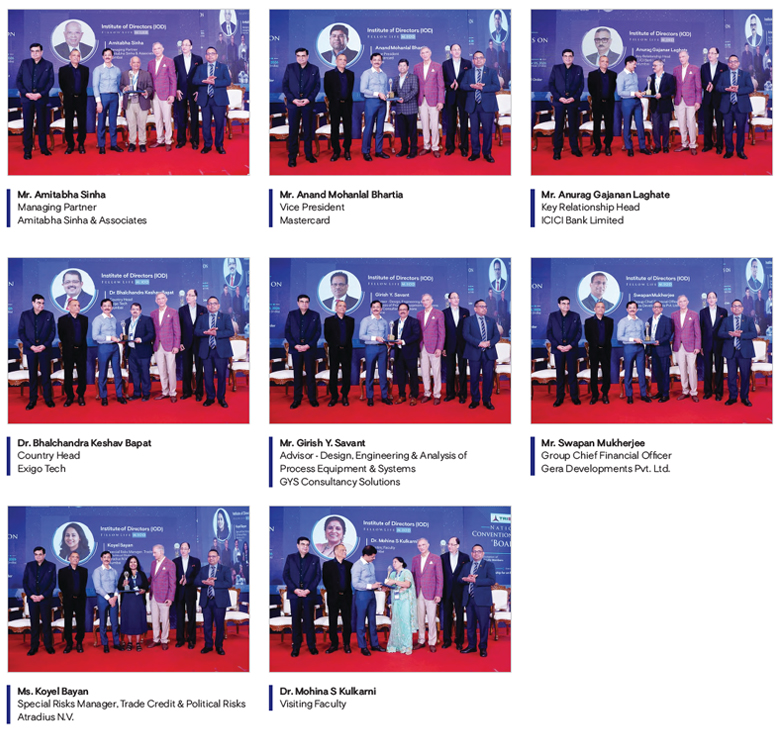
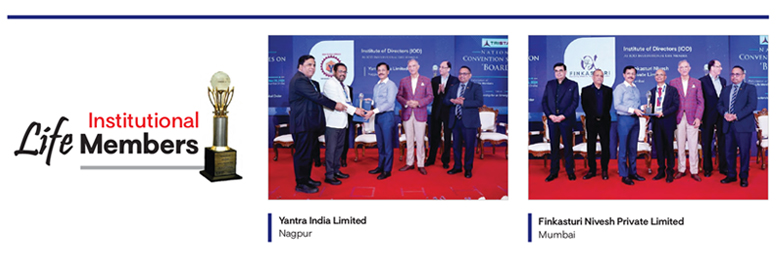
IODGLOBAL FELICITATION & FELICITATION OF NEW IOD LIFE MEMBERS (FY 2025 – 2026), MUMBAI REGION
The 'Opening Remarks' were delivered by:
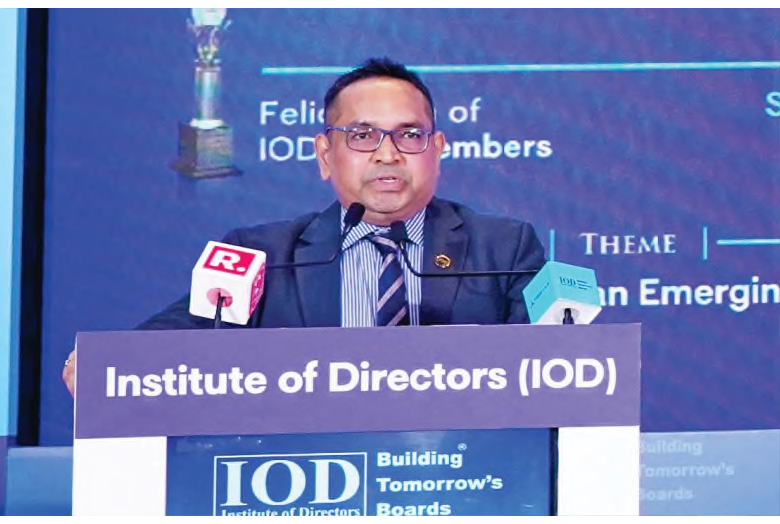
Mr. Manoj K. Raut
CEO & Secretary General
Institute of Directors (IOD)
Mr. Raut welcomed the distinguished guests and celebrated the induction of new Life Members from the Mumbai Region into the IOD family. He highlighted the valuable perspectives shared during the sessions on governance, leadership and the evolving responsibilities of directors. Reflecting on IOD's journey of over 35 years, he noted its growing network of more than 30,000 directors, including 12,000 IOD-certified corporate directors. He further highlighted the community's continued expansion, and emphasising the value of diverse perspectives across IOD's national and international conventions, he observed that the growing participation of directors and leaders from varied backgrounds continues to enrich the institution. He reiterated that IOD is more than an institution; it is a family united by a shared commitment to stronger governance, collective learning and progressive leadership. Concluding on a celebratory note, he congratulated the new Life Members and warmly welcomed them into the IOD family.
The 'Welcome Remarks' were delivered by:
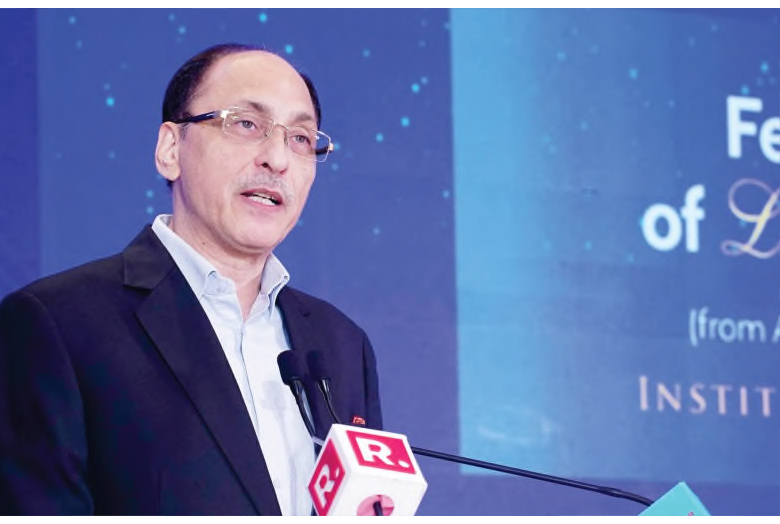
Mr. Sitaram Kunte, IAS (Retd.)
Chairman - Western Region, Institute of Director (IOD); and
former Chief Secretary to Govt. of Maharashtra
Mr. Kunte expressed his gratitude to the Chief Guest and participants, acknowledging IOD's significant role in advancing leadership and sound corporate governance, anchored in trust, quality and transparency. He warmly welcomed the new members, recognising their contribution to the Institute's growing community of directors and business leaders. He emphasised that leadership is a continuous journey of learning, requiring openness to new ideas, diverse perspectives and constructive questioning. Highlighting the value of diversity in knowledge and experience, he urged leaders to approach decision-making with care, recognising that every decision carries consequences and must be assessed for its long-term implications. Mr. Kunte reaffirmed IOD's commitment to nurturing responsible leadership and strengthening governance through continuous learning, collaboration and the exchange of ideas. He underscored that effective leadership extends beyond immediate outcomes, requiring sound judgement, accountability and a sustained focus on long-term institutional value.
This was followed by the 'Special Remarks' delivered by:
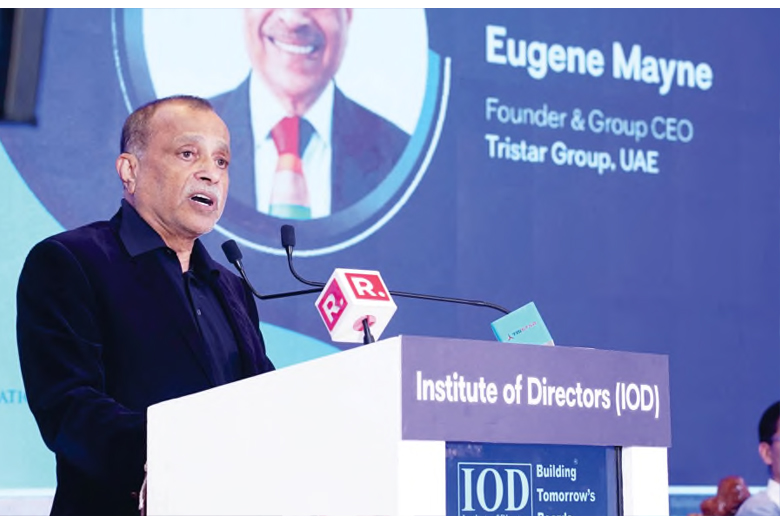
Mr. Eugene Mayne
Founder & Group CEO
Tristar Group, UAE
Mr. Mayne reflected on the evolving governance landscape, emphasising that strong organisational culture and trust remain fundamental to sustainable business relationships and long-term credibility. He described trust as a valuable corporate currency, built through responsible leadership, consistent conduct and a genuine commitment to stakeholders. He also underscored the importance of culture in shaping organisational values and reinforcing leaders' accountability. Welcoming the new IOD members, he highlighted the value of IOD's prestigious certification in nurturing informed, ethical and responsible directors. He encouraged board members to look beyond readily available information and data, exercising deeper judgement when navigating shared and emerging business challenges. Concluding, he called for greater collaboration among IOD members, noting that the exchange of knowledge, mutual support and collective problem-solving could strengthen leadership capabilities and advance shared progress.
This was followed by a 'Special Remarks' delivered by:
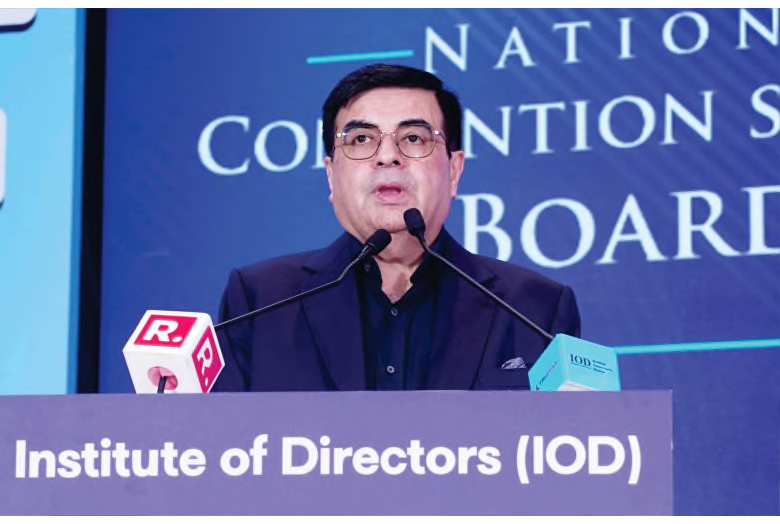
Mr. Vijay Karia
Chairman & Managing Director
Ravin Group of Companies
Mr. Karia reflected on the emerging global order, observing that the world was moving towards greater uncertainty rather than a clearly defined geopolitical and economic framework. He emphasised that these developments were no longer distant external concerns but pressing boardroom priorities with direct implications for business operations, investments and growth. He urged boards to strengthen their preparedness for economic volatility, supply-chain disruptions and shifting market dynamics. Environmental, Social and Governance (ESG) considerations, financial governance, technology oversight and cybersecurity, he noted, were becoming increasingly central to board responsibilities. Mr. Karia further highlighted trust as a strategic asset, stressing that organisations must uphold quality, ethics and transparency while embracing emerging technologies and navigating disruption. He also underscored the importance of diversity in boardroom experience, knowledge and perspectives, advocating greater representation of women in leadership to strengthen decision-making and build more resilient, future-ready boards.
This was followed by the 'Chief Guest Address' delivered by:
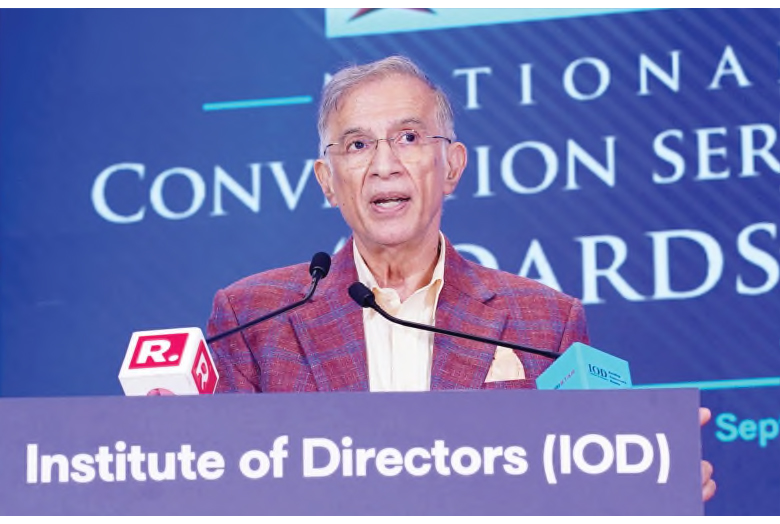
Dr. Niranjan Hiranandani
Founder & Managing director
Hiranandani Group
Dr. Hiranandani reflected on how artificial intelligence, geopolitical tensions, climate risks and evolving stakeholder expectations are reshaping the global business landscape. He emphasised that effective board leadership must extend beyond financial performance to encompass resilience, long-term value creation and societal responsibility. He urged boards to assess decisions through three lenses: legality, ethics and long-term organisational strength. Highlighting reputation as a strategic asset rooted in culture and responsible governance, he stressed the importance of timely, complete and transparent disclosures. He further cautioned that while AI can support decision-making, accountability ultimately rests with people and institutions. Concluding that strong governance may delay decisions but weak governance can undermine institutions, he called for leadership grounded in trust, reputation and intergenerational value. He also commended IOD for fostering meaningful dialogue and responsible leadership.
The 'Vote of Thanks' was proposed by:
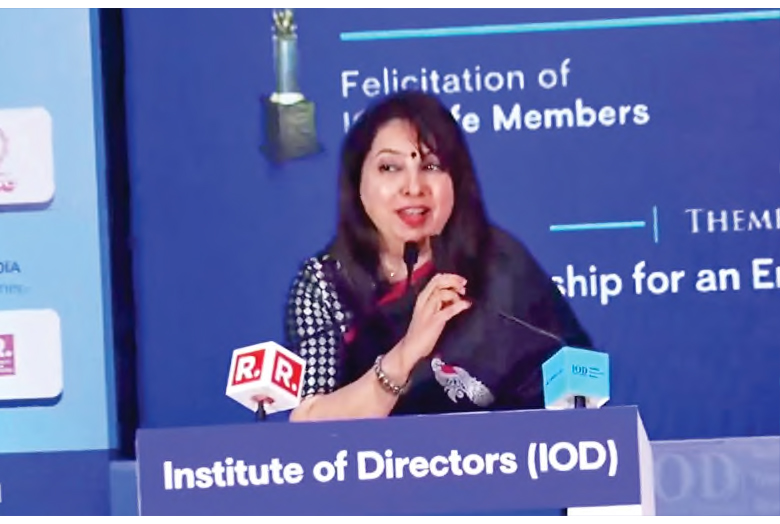
Ms. Priti Rao Arora
Regional Manager
Institute of Directors (IOD), Mumbai
Ms. Arora concluded the session by underscoring that effective leadership lies in anticipating change, preparing for emerging challenges and having the vision and courage to navigate uncertainty. She expressed her sincere appreciation to the distinguished guests for their valuable insights and perspectives, acknowledging the international business leader and association partner for their support in making the convention a success. She also extended her gratitude to the dignitaries, session chairs, panellists, speakers, experts and knowledge partners whose collective contributions enriched the deliberations. Highlighting strategic foresight as a key takeaway, she emphasised that the true value of such discussions lies in translating insights into action. These learnings, she noted, should strengthen governance, inform wiser decisions, build organisational resilience and foster institutions guided by a clear sense of purpose.
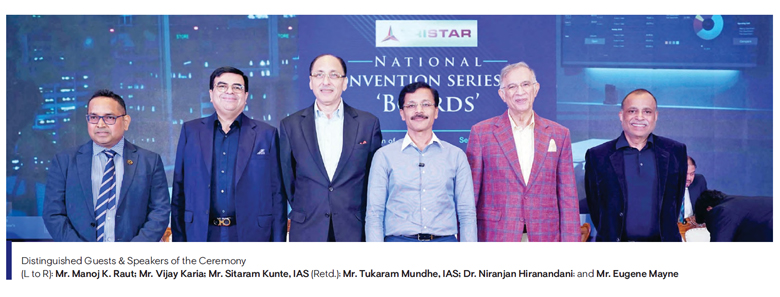
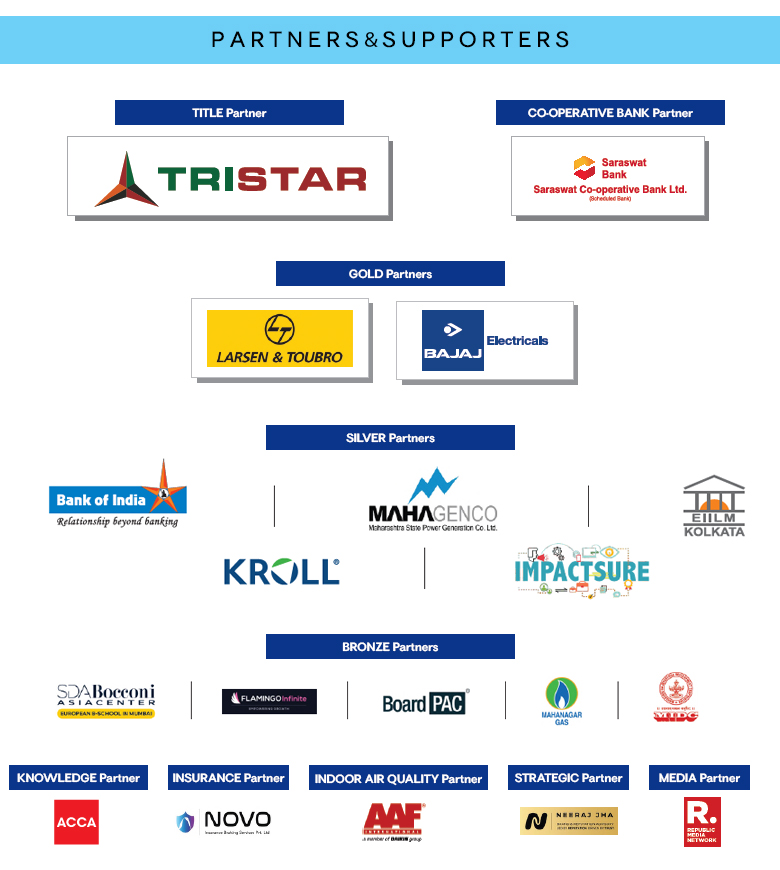
The Institute of Directors (IOD), India would like to place on records its sincere gratitude for the unwavering support and encouragement extended by all its Partners & Sponsors.
Our TITLE Partner:
1. Tristar Group, UAE
Our CO-OPERATIVE BANK Partner:
1. Saraswat Bank
Our GOLD Partners:
1. L&T Limited
2. Bajaj Electricals
Our SILVER Partners:
1. Bank of India
2. Maharashtra State Power Generation Co. Ltd.
3. IMPACTSURE
4. EIILM – Kolkata
5. KROLL
Our BRONZE Partners:
1. Flamingo Infinite
2. SDA Bocconi
3. MIDC
4. BoardPAC
5. Mahanagar Gas
Our KNOWLEDGE Partner:
1. ACCA (Association of Chartered Certified Accountants)
Our INSURANCE Partner:
1. NOVO Insurance
Our INDOOR AIR QUALITY Partner:
1. American Air Filter International (a member of Daikin Group)
Our STRATEGIC Partner:
1. Neeraj Jha Brand & Reputation Advisory
Our MEDIA Partner:
1. Republic Media Network
This report has been compiled by:
Team
Institute of Directors (IOD)
Western Region
&
Ms. Violina Das
Assistant Editor – Director Today, and
Assistant Manager, Communications
Institute of Directors (IOD)

 Back to Home
Author
Institute of Directors India
Bringing a Silent Revolution through the Boardroom
Institute of Directors (IOD) is an apex national association of Corporate Directors under the India's 'Societies Registration Act XXI of 1860'. Currently it is associated with over 31,000 senior executives from Govt, PSU and Private organizations of India and abroad.
Owned by: Institute of Directors, India
Disclaimer: The opinions expressed in the articles/ stories are the personal opinions of the author. IOD/ Editor is not responsible for the accuracy, completeness, suitability, or validity of any information in those articles. The information, facts or opinions expressed in the articles/ speeches do not reflect the views of IOD/ Editor and IOD/ Editor does not assume any responsibility or liability for the same.