 Quick Links
 Connect us

 Directors Databank (Empannel Yourself)
 Become a
  Become a
  Blog
Blog
 Become an Awards Assessor
 Publications
 Contact Us







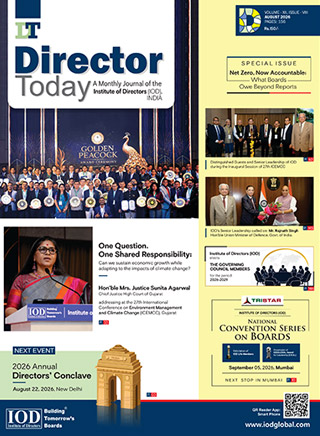
A Report on 27th International Conference on Environmental Management and Climate Change

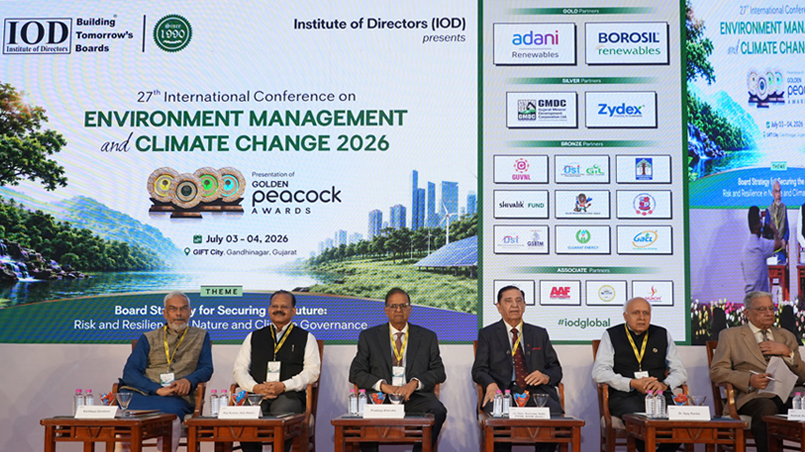
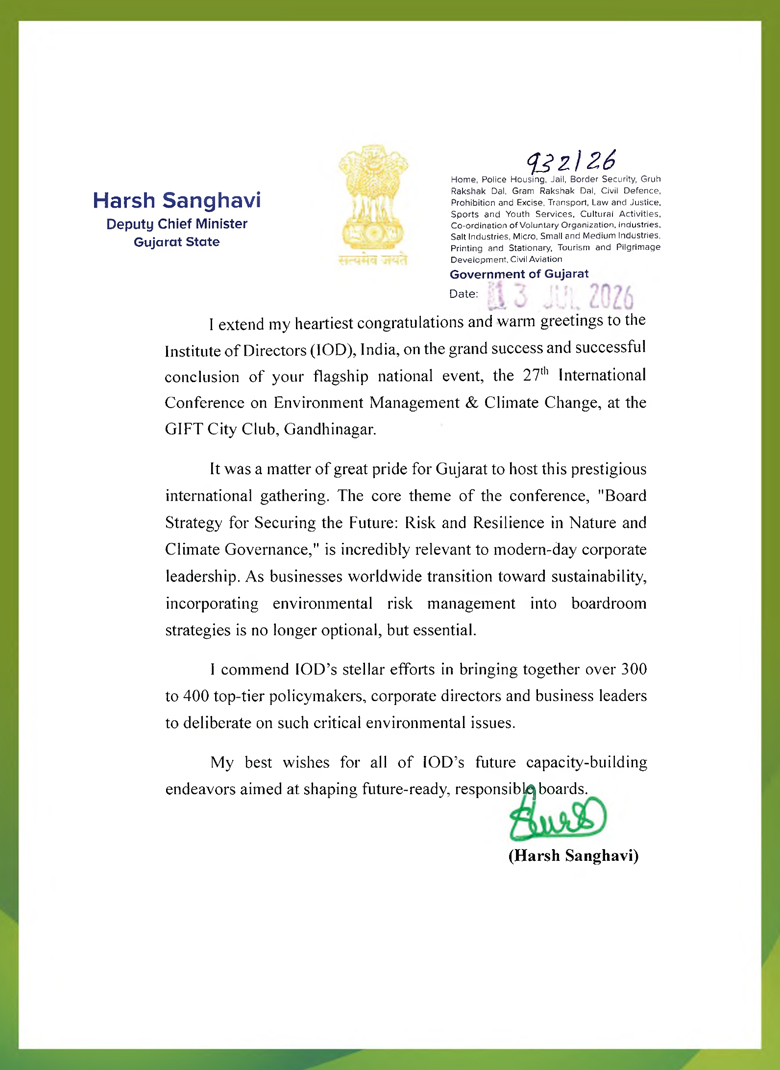
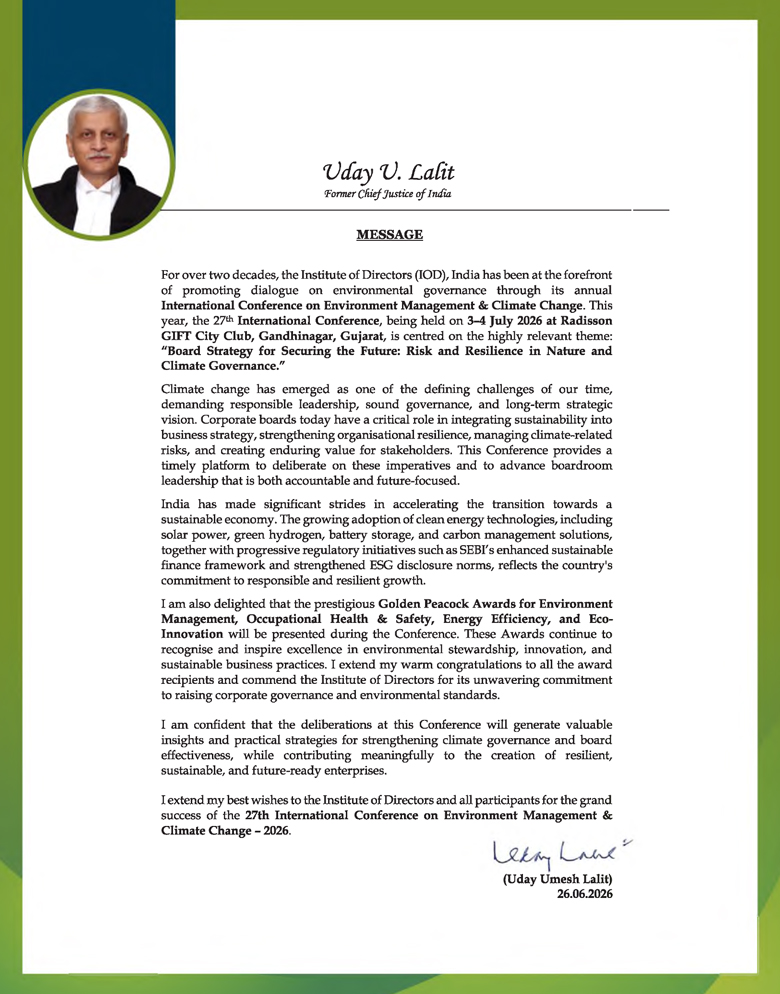
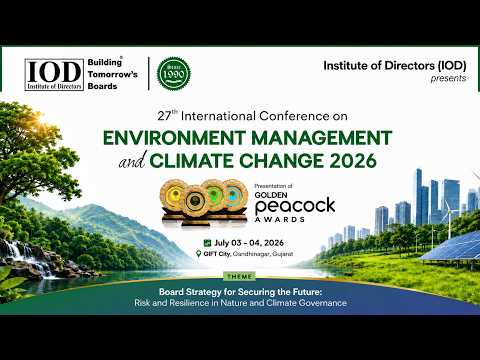
Against the backdrop of accelerating climate risks, rising regulatory expectations, and the continuing imperative for Sustainable value creation, the Institute of Directors (IOD), India hosted the 27th International Conference on Environment Management and Climate Change on July 03 - 0 4 , 2026 at Radisson GIFT City Club, Gandhinagar, Gujarat, on the theme, 'Board Strategy for Securing the Future: Risk and Resilience in Nature and Climate Governance'. The Conference brought together around 250 experts, including a cross-section of board directors, industry leaders, policymakers, sustainability practitioners, and academia, from all over India. It served as a strategic platform to examine how environmental stewardship is re-shaping corporate governance agenda, business resilience, and long-term competitiveness. For IOD, it was the first-ever Conference on the subject in Gujarat.
Over two days of high-level deliberations, the discussions underscored a fundamental shift in boardroom priorities, from viewing Sustainability as a matter of regulatory compliance to recognising it as a strategic business imperative. The conference explored the dimensions of climate risk, viable transition planning, sustainable finance, circular economy, clean energy, Nature-positive growth, and occupational health and safety, while showcasing practical case studies from organisations leading environmental transformation across various sectors.
A key highlight of the Conference was the presentation of the Golden Peacock Awards 2026, recognising excellence in Occupational Health & Safety, Environment Management, Energy Efficiency, and Eco-Innovation. Brief profiles of the Award-winning organisations are featured in this issue on pages 87-109, celebrating exemplary leadership in advancing sustainable business practices and responsible corporate governance. The Awards were conferred by Hon'ble Justice Mrs. Sunita Agarwal, Chief Justice, High Court of Gujarat.
DAY 1
PLENARY SESSION – I
INAUGURAL SESSION
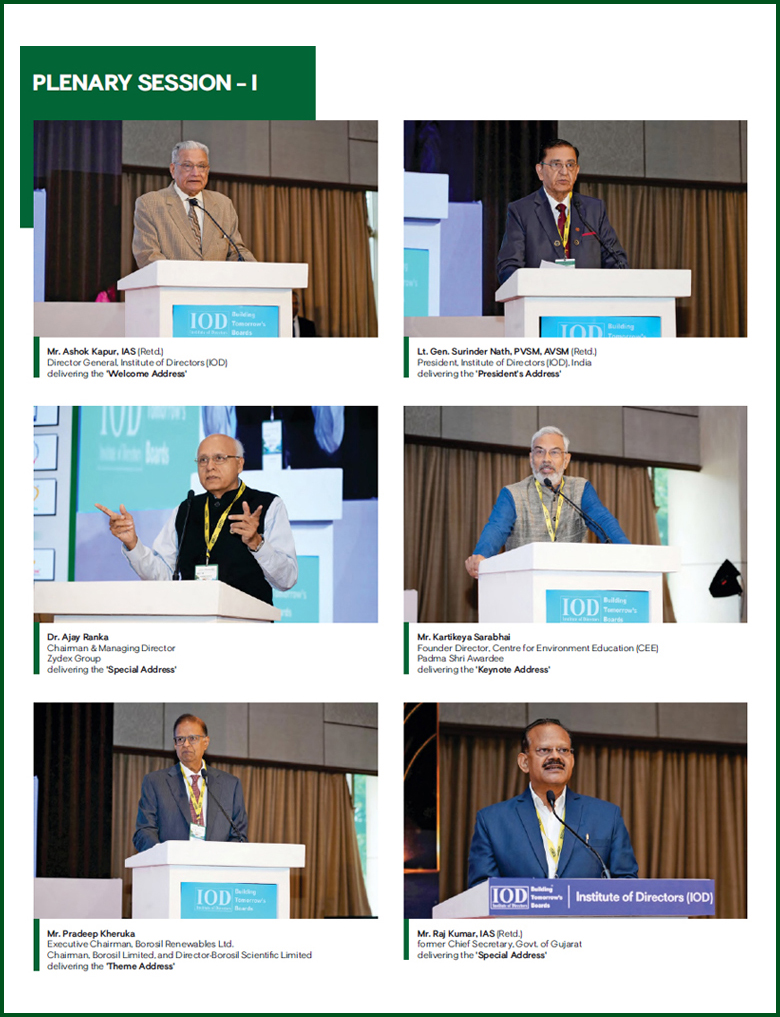
The 'Welcome Address' was given by:
Mr. Ashok Kapur, IAS (Retd.)
Director General
Institute of Director (IOD)
Mr. Kapur referred to Gujarat as an ideal venue for the deliberations, describing it as the land of Mahatma Gandhi, Sardar Vallabhbhai Patel and Prime Minister Narendra Modi, under whose leadership India has emerged as a leading global voice on inter alia, climate action, renewable energy and sustainable development. Mr. Kapur underscored that environmental stewardship must become an integral boardroom responsibility, asserting that Good Governance begins with the Board itself and that independent decision making is not merely a statutory requirement but the very foundation of a sound Corporate Governance. Reflecting on India's civilisational ethos, he observed that respect for nature has always been deeply embedded in the country's cultural and spiritual traditions, reminding delegates that the environment is not only a precious legacy inherited from our ancestors but also a trust that must be safeguarded by us for future generations. He further stressed that Boards must view climate change not as a constraint to be managed, but as a strategic risk to be managed. Concluding his address, he quoted Mahatma Gandhi's timeless reminder: "The Mother Earth provides enough to satisfy every man's needs, but not every man's greed."
The 'President's Address' was delivered by:
Lt. Gen. Surinder Nath, PVSM, AVSM (Retd.)
President
Institute of Directors (IOD)
Gen. Nath, highlighted the growing urgency of strengthening climate governance, emphasising that environmental challenges have evolved into strategic governance concerns. Observing that climate change, biodiversity loss and resource scarcity now influence economic growth, financial stability and long-term business resilience, he asserted that environmental risks have become governance risks. He further noted that resilience is no longer an option; it is a strategic imperative, calling upon corporate boards to embed climate-related risks and opportunities into long-term decision-making. Gen Nath stressed that India's climate strategy demonstrates how environmental sustainability and economic development can advance together through innovation, impact investment and effective governance. Highlighting the country's leadership in renewable energy, afforestation and the circular economy, he observed that these achievements reflect a development-oriented approach to Sustainability. He added that the future will not be secured through technological breakthroughs or policy interventions alone; rather, it will be shaped by effective governance. In this regard, he urged institutions to recognise environmental stewardship as a cornerstone of long-term prosperity. Concluding on an optimistic note, he reminded the audience that history will not judge us by the challenges we inherited, but by the resilience we built, the ecosystems we protected and the future we secured for generations to come.
The 'Special Address' was delivered by:
Dr. Ajay Ranka
Chairman & Managing Director
Zydex Group
Dr. Ranka delivered an inspiring address on the urgent need to transform India's approach to sustainable agriculture and resource management. Highlighting the country's growing 'water stress', he observed that India uses nearly four times more water than China while producing comparatively lower agricultural output. He noted that approximately 80% of the country's freshwater resources are consumed by the agricultural sector, underscoring the need to improve water-use efficiency and adopt more sustainable farming practices. Drawing attention to the environmental impact of conventional agriculture, Dr. Ranka highlighted the excessive use of chemical inputs, including urea, NPK fertilisers and pesticides, arguing that many of today's environmental challenges stem from long-term unsustainable agricultural practices. He also pointed to the substantial generation of agricultural biomass, emphasising the opportunity to convert such resources into a value asset through innovative and sustainable technologies, rather than allowing them to become sources of garbage waste and emissions. Emphasising that lasting environmental transformation extends beyond technological innovation, Dr. Ranka stressed on the importance of educating employees, farmers, and local communities about environmental responsibility. He observed that meaningful organisational and societal change begins with awareness, behavioural change, and the active participation of all stakeholders, supported by leadership committed to sustainability and long-term value creation.
The 'Keynote Address' was delivered by:
Mr. Kartikeya Sarabhai
Founder Director
Centre for Environment Education (CEE)
Padma Shri Awardee
Mr. Sarabhai underscored that effective Board leadership requires the courage to act responsibly in the face of emerging environmental risks, even in the absence of regulatory intervention. Drawing on his experience at Sarabhai Zydus, he recounted how the Board voluntarily discontinued the manufacture of diclofenac sodium after scientific evidence linked the drug to the catastrophic decline of India's vulture population, illustrating the importance of ethical decision-making over short-term commercial interests. He further highlighted how collaborative problem-solving among industry, academia and government can deliver sustainable solutions, citing the example of a textile company that redesigned its operations to recycle 90% of its water before securing environmental clearance. Stressing that Boards should confront challenges rather than avoiding them, Mr. Sarabhai called for a new model of responsible development as India progresses towards Viksit Bharat. He advocated "leapfrogging" by learning from global experiences rather than repeating unsustainable development pathways, while emphasising research, innovation, education and industry collaboration as key enablers of sustainable growth. Concluding hi address, he urged corporate leaders to view climate change not merely as a challenge, but as an opportunity to redefine business practices, strengthen governance, and build a more sustainable future.
The 'Theme Address' was delivered by:
Mr. Pradeep Kheruka
Executive Chairman, Borosil Renewables Limited; Chairman, Borosil Limited; and Director, Borosil Scientific Limited
Mr. Kheruka underscored that addressing climate change requires a collective response founded on resilience, good governance, scientific innovation and long-term vision. Citing a poignant anecdote about his young grandson's concerns over water scarcity, he observed that the climate crisis is no longer a distant threat but a lived reality across generations. He highlighted the remarkable transformation of drought-prone regions in Marathwada, where collaborative efforts in water conservation, sustainable agriculture and ecological restoration significantly enhanced farmers' incomes while revitalising local biodiversity. Emphasising that resilience is achieved through disciplined action and community participation, he advocated for wider adoption of renewable energy, domestic manufacturing and indigenous technological innovation. Drawing on Borosil Renewables' experience, Mr. Kheruka stressed the importance of research and development, citing the company's pioneering efforts in elimination of antimony from solar glass and calling for stronger institutional support for scientific innovation. He further argued that public policy should prioritise long-term national competitiveness rather than lowest-cost procurement alone, while encouraging greater integration of science and technology into policymaking. Concluding his address, he urged India to cultivate a stronger culture of research, innovation and evidence-based governance to build a resilient and sustainable future.
This was followed by a 'Special Address' delivered by:
Mr. Raj Kumar, IAS (Retd.)
former Chief Secretary
Government of Gujarat
Mr. Kumar cautioned that climate change is no longer a distant or abstract threat but a present-day reality that demands immediate attention in the boardroom. He observed that traditional business models have been built on the flawed assumption that natural resources are infinite and resilience is guaranteed, an illusion now exposed by the consequences of unsustainable human activities and practices. Stressing that climate risk is a material fiduciary concern rather than merely a corporate social responsibility issue, he urged Boards to move beyond short-term financial priorities and integrate climate considerations into long-term corporate strategy. Referring to emerging challenges such as weak monsoon and the anticipated Super El Niño, he noted that climate-related disruptions are likely to affect every sector of the country's economy. Highlighting Gujarat's leadership in renewable energy from the Charanka Solar Park to the Khavda Renewable Energy Park, Mr. Kumar cited the state as a model of effective public-private collaboration in advancing the clean energy transition. He urged Boards to accelerate investments in renewable energy, green hydrogen, circular economy practices, and resource efficiency while adopting science-based targets, strengthening ESG disclosures, and ensuring executive accountability. Concluding his address, he emphasised that green finance and sustainable business practices are not only environmental imperatives but also strategic investments that enhance resilience, mitigate long-term risks and create enduring value for business and society alike.
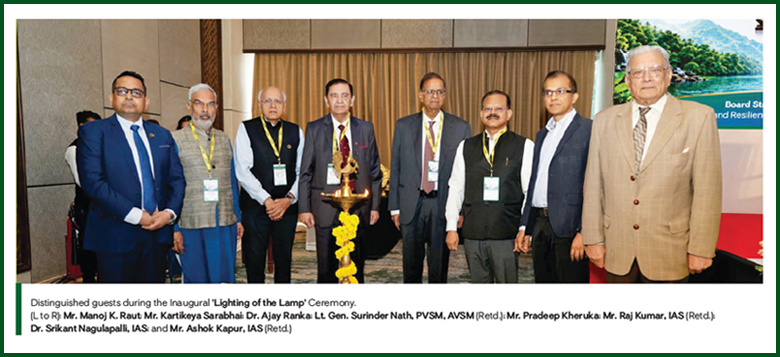
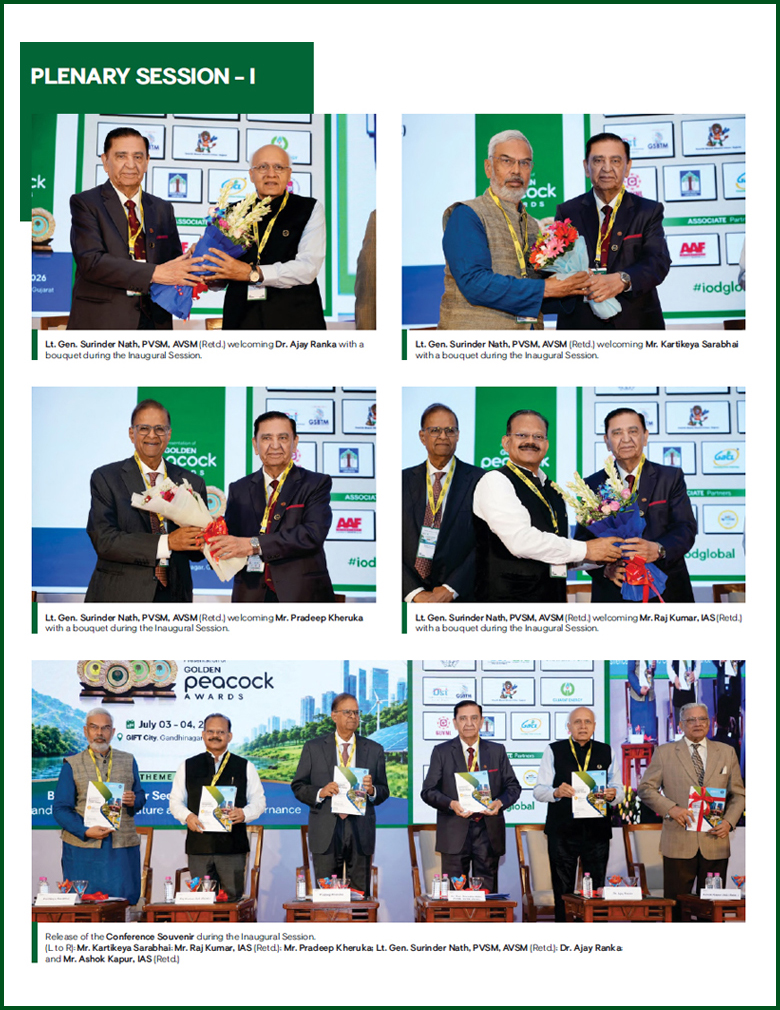
This was followed by the release of Convention Souvenir by the Distinguished Speakers of the Inaugural Session.
PLENARY SESSION – II
OPENING SESSION
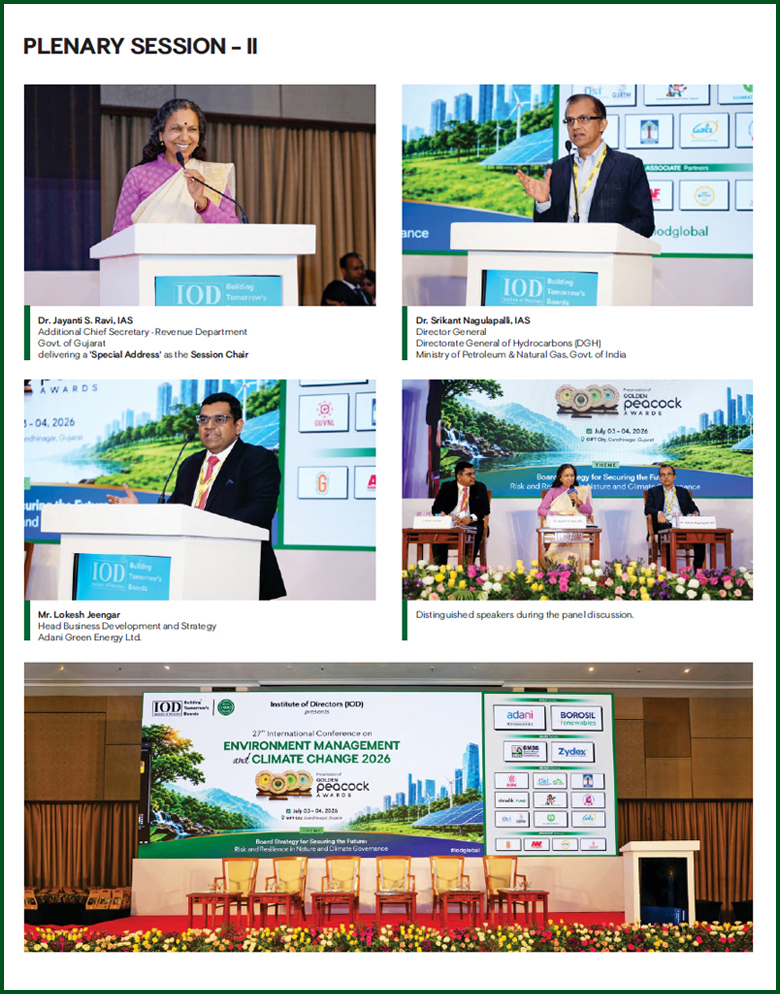
The Session was chaired by:
Dr. Jayanti S. Ravi, IAS
Additional Chief Secretary – Revenue Department Government of Gujarat
Dr. Ravi highlighted that preparedness is the defining hallmark of a resilient civilisation and the cornerstone of effective climate governance. She emphasised that climate risk extends far beyond environmental concerns, influencing economic growth, public health, infrastructure, water security and supply chains. Drawing on Gujarat's own experience with earthquakes, cyclones, droughts and recent emergency operations, she observed that resilience is built through foresight, continuous preparedness and robust institutional coordination, rather than during disasters that occur. Advocating a multi-hazard approach, Dr. Ravi called for integrated planning across sectors, recognising the interconnected nature of climate, technological and industrial risks. She emphasised the importance of strengthening human capability through regular training, mock drills and public-private partnerships, while leveraging emerging technologies such as AI-enabled forecasting and advanced emergency management systems. She also urged greater investment in Nature-based solutions, including wetland restoration, groundwater recharge and urban green infrastructure, defining nature as the foundation of sustainable development. Addressing corporate leaders, Dr. Ravi encouraged Boards to move beyond ESG compliance and embed climate risk into strategic decision-making, fostering long-term stewardship, institutional adaptability and a culture of preparedness. She concluded with the caution that, "if we fail to prepare, we prepare to fail."
The session had the following Distinguished Speakers:
1. Dr. Srikant Nagulapalli, IAS
Director General
Directorate General of Hydrocarbons (DGH) Ministry of Petroleum & Natural Gas Government of India
2. Mr. Lokesh Jeengar
Head of Business Development and Strategy Adani Green Energy Limited
Dr. Nagulapalli emphasised that energy security is central to India's aspiration of becoming a developed nation by 2047 and must be pursued alongside affordability and climate resilience. Highlighting India's unique position as both a historically low emitter and a major contributor of future global energy demand, he described this as an opportunity to build a modern, indigenous energy system rather than replicating outdated models. He noted that India's energy strategy is anchored in expanding domestic energy production, improving energy efficiency and reducing dependence on imported fuels. Stressing that affordable energy is essential for both business and households, he urged corporate Boards to integrate energy resilience and climate adaptation into their strategic decision-making. Referring to recent climate behaviour, including the Chennai floods, Mr. Nagulapalli observed that infrastructure, supply chains and business assets must be designed to withstand increasing climate risks. He also highlighted the growing importance of climate governance, noting that emerging sustainability and climate disclosure requirements by SEBI and the Reserve Bank of India require Board-level commitment, strategic oversight and adequate budgetary support. He concluded by encouraging businesses to align long-term growth with resilient, affordable and secure energy systems to further strengthen India's ongoing sustainable development journey.
Mr. Jeengar highlighted the recent extreme heatwaves across Europe to illustrate how climate risks arise when they are initially overlooked during planning and infrastructure design. He observed that Europe's infrastructure was not planned to withstand unprecedented temperatures because such scenarios had not been anticipated during the planning stage. Drawing a parallel with the unprecedented Chennai floods, he remarked that climate risk is fundamentally "a risk left out of initial design." He further noted that rising temperatures are already affecting industrial productivity, with some estimates suggesting that industrial output could decline by around 2% for every one-degree increase in temperature. Stressing the need for greater corporate accountability, Mr. Jeengar argued that climate risk must be quantified and embedded into business planning through measurable targets and performance indicators. Assigning clear numerical goals, he observed, enables organisations to monitor progress, maintain focus despite competing priorities and drive meaningful action. He further emphasised that stronger sustainability performance can improve access to lower-cost capital, making climate action not only an environmental necessity but also a sound financial strategy. He concluded that quantifying and monetising climate-related risks and opportunities is essential to accelerating both energy transition and long-term business resilience.
This was followed by an interactive Q&A Session with the large audience.
PLENARY SESSION – III
DEVELOPING CREDIBLE TRANSITION PLANS & DRIVING DECARBONIZATION
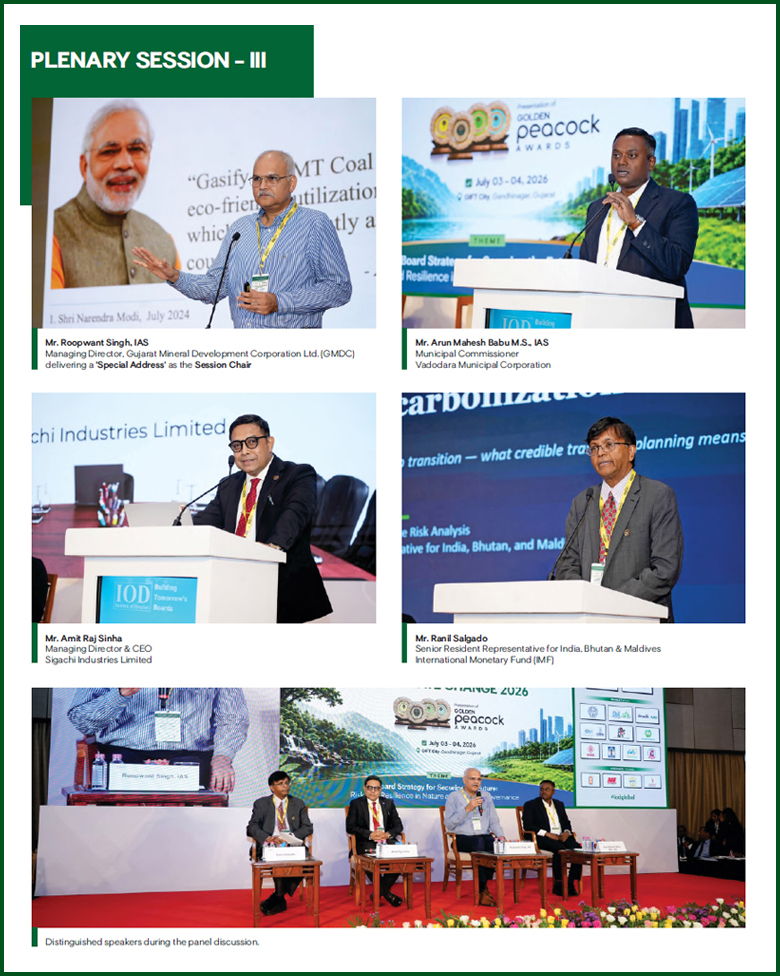
The Session was chaired by:
Mr. Roopwant Singh, IAS
Managing Director
Gujarat Mineral Development Corporation Limited
(GMDC)
Mr. Singh highlighted that India's energy transition must be driven by pragmatic, low-carbon solutions that strengthen energy security while supporting sustainable economic growth. Speaking on Underground Coal Gasification (UGC), he outlined GMDC's efforts to unlock deep-seated coal reserves that are inaccessible through conventional mining, describing the technology as a means to significantly reducing carbon emissions while addressing the country's growing energy demand and dependence on imported fuel. Emphasising the power of “AND", he argued that India need not choose between economic development and environmental responsibility, but can pursue both simultaneously through multiple technological pathways. Mr. Singh noted that underground coal gasification has the potential to reduce carbon intensity by nearly 80% compared to conventional coal utilisation, while creating opportunities for value-added industries, including production of low-cost ammonia. He further observed that India's vast coal reserves present a strategic opportunity to develop indigenous technologies, strengthen energy self-reliance, enhance industrial competitiveness and foster collaborations across the energy value chains. Concluding his address, he urged policymakers and industry leaders to adopt a balanced, innovation-led approach that leverages domestic resources to enhance energy security, industrial competitiveness and long-term sustainability.
The session was composed of the following Distinguished Speakers:
1. Mr. Arun Mahesh Babu M. S., IAS
Municipal Commissioner
Vadodara Municipal Corporation
2. Mr. Amit Raj Sinha
Managing Director & CEO
Sigachi Industries Limited, India
3. Mr. Ranil Salgado
Senior Resident Representative for India, Bhutan & Maldives
International Monetary Fund (IMF)
Mr. Babu highlighted Vadodara's commitment to balancing rapid urban development with long-term environmental sustainability under the vision of 'Viksit Bharat 2047'. He outlined the city's ambitious Net Zero Action Plan, which aims to increase Vadodara's green cover from 17 per cent to 21 per cent by 2030 through the Clean and Green Vadodara initiative, large-scale tree plantation, Miyawaki forests initiatives, green corridors, and public-private partnerships. Emphasising that climate action must translate into tangible outcomes for citizens, he stressed the importance of improving air quality, expanding rainwater harvesting, developing sponge parks, restoring lakes, and promoting water reuse through treated wastewater. He also highlighted initiatives to accelerate the adoption of clean energy, including rooftop solar installations, wind power, electric buses, energy-efficient infrastructure, and the expansion of CNG and PNG networks. Underscoring the need for innovative urban financing, Mr. Babu referred to Vadodara's pioneering issuance of Green Municipal Bonds and its proposal to introduce Blue Bonds to support future climate-resilient infrastructure. He concluded that addressing climate change requires practical, on-the-ground action to enable cities to become cleaner, greener, more resilient and truly future-ready.
Mr. Sinha emphasised that as India progresses towards Viksit Bharat 2047, the nation's greatest challenge is not merely achieving economic growth but building institutions that endure across generations. He argued that resilience, rather than intelligence, capital or capability alone, is the defining characteristic of enduring institutions, particularly in an era shaped by climate change, geopolitical uncertainty, cyber threats and global disruptions. Drawing on his experiences in the Indian Navy and industry, he stressed that preparedness before adversity, rather than reaction after it, determines institutional survival. According to him, Boards must move beyond compliance and profitability to prioritise institutional continuity by strengthening strategic, financial, operational, leadership and social capabilities. He further underscored that trust remains an institution's greatest reserve of capital and that governance should be judged not by success achieved during periods of prosperity, but by the resilience demonstrated during times of crises. Concluding his remarks, he urged Boards to instead view themselves as custodians rather than owners, building organisations that preserve values, ensure continuity and leave behind enduring institutions capable of shaping India's future for generations to come.
Mr. Salgado emphasised that climate change has emerged as a critical financial risk, affecting not only capital outlayas but also institutional credibility. Drawing on the International Monetary Fund's Financial Sector Assessment Programme (FSAP) for India, he explained that climate-related risks manifest through both physical risks arising from extreme weather events and transition risks associated with the shift away from fossil fuels, driven by evolving policies, technological advancement, and changing market expectations. He noted that nearly 30–35% of bank credit is potentially exposed to transition-related risks, making climate change a core financial governance issue rather than merely an environmental concern. Highlighting India's high exposure to climate hazards alongside its growing energy demand, he stressed the importance of an orderly transition towards the country's climate commitments, including its 2035 NDCs and net-zero target by 2070. Mr. Salgado underscored that effective climate governance begins with robust measurement, urging organisations to account for all emission across the value chain and integrate climate-related risks into overall financial decision-making. He concluded that timely, well-planned action is significantly less costly than delayed response and is essential for strengthening financial resilience and long-term economic stability.
This was followed by an interactive Q&A Session.
PLENARY SESSION – IV
SUCCESS STORIES ON EFFECTIVE IMPLEMENTATION OF 'ENVIRONMENT MANAGEMENT'
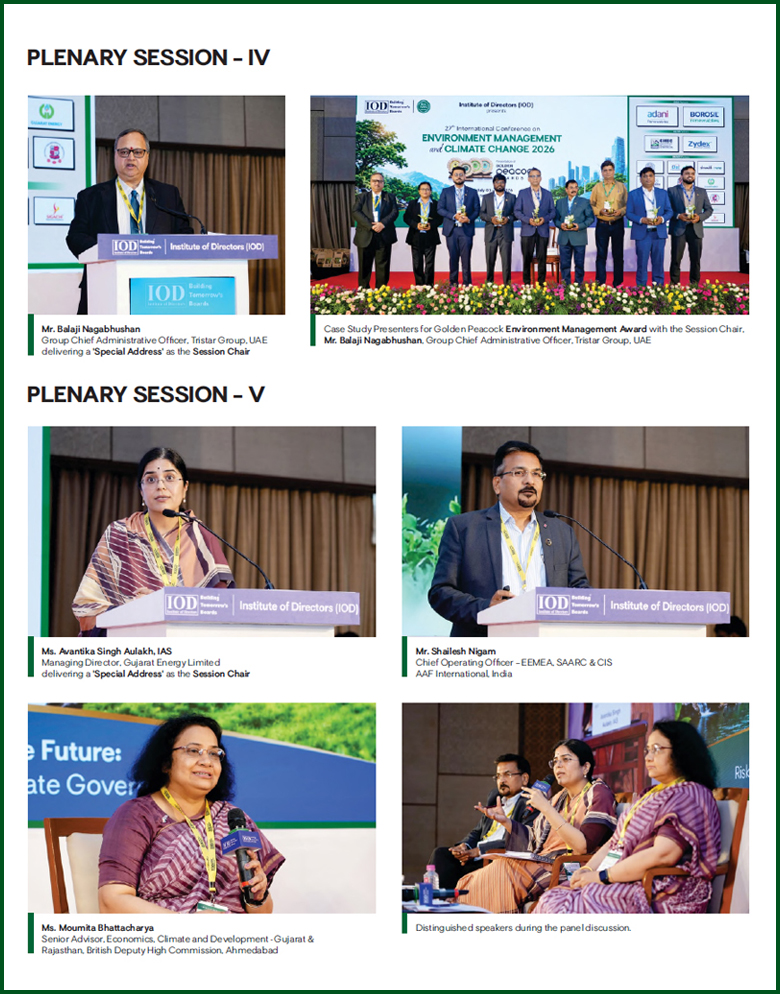
The 'Special Address' was delivered by the Session Chair:
Mr. Balaji Nagabhushan
Group Chief Administrative Officer
Tristar Group, Dubai, UAE
Mr. Nagabhushan reflected on how India's cultural ethos and the Vedic concept of Panchatatva, the five fundamental elements have shaped his understanding of environmental stewardship, emphasising that human wellbeing depends on maintaining harmony with nature. He described environmental management as a systematic approach to protecting, conserving, and enhancing the environment through six key pillars: sound policy and planning, legal and regulatory compliance, sustainable resource management, pollution prevention and waste management, environmental awareness and training, and stakeholder engagement. Drawing on Tristar's sustainability journey, where he serves as Chair of the ESG Committee, he highlighted the company's commitment to embedding sustainability into its core business strategy. He emphasized on initiatives including sourcing 35% of global energy requirements from renewable sources, primarily solar power, recycling and reusing 80% of water, operating 20% of the UAE land transportation fleet on B7 biofuel, piloting the Middle East's first hybrid electric barge capable of reducing carbon emissions by up to 35%, and publishing annual sustainability reports. He concluded that sustainability extends far beyond regulatory compliance, serving as a foundation for long-term business resilience while creating lasting value for society and the environment.
The Session had the following presenters:
1. TATA Motors Limited
2. JK Cement Limited
3. Dorf-Ketal Chemicals India Limited
4. Hindalco Industries Limited
5. Asian Paints Limited
6. Steel Authority of India Limited
PLENARY SESSION – V
BOARD'S ROLE IN CLEAN ENERGY INFRASTRUCTURE & SUSTAINABLE INDUSTRIAL GROWTH
The Session was chaired by:
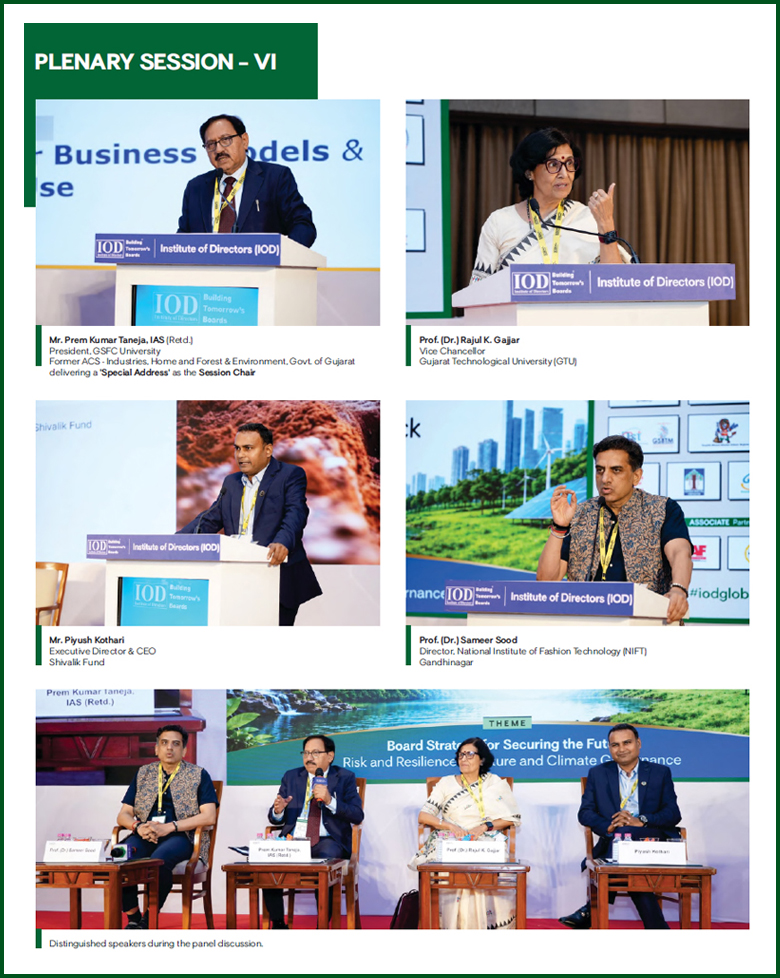
Ms. Avantika Singh Aulakh, IAS
Managing Director
Gujarat Energy Limited
Ms. Aulakh emphasised that the clean energy transition has evolved from an environmental concern into a strategic boardroom priority, closely linked to energy security, affordability, climate resilience and long-term competitiveness. She stressed that Boards must embed renewable energy, innovation and sustainability into corporate strategy, recognising that leadership decisions and not technology alone will drive the transition. Citing the example of Gujarat Alkalies and Chemicals Limited (GACL), she highlighted the Board's approval of a 160 MW hybrid wind and solar project, demonstrating how strategic investments can simultaneously deliver sustainability, operational efficiency and long-term business value. She further underscored the importance of evaluating emerging technologies such as green hydrogen, energy storage, carbon capture and AI-enabled energy management through the lens of commercial viability, scalability and enterprise risk. Emphasising that energy efficiency offers one of the highest returns on investment, she called for greater impact investment in efficient technologies and process optimisation. While concluding, she noted that effective collaboration between government, industry, financial institutions and technology partners is essential to accelerate India's clean energy transition, asserting that Gujarat is well positioned to lead sustainable industrial growth and that the future of this transition will ultimately be shaped by decisions taken in the boardrooms.
The Session had the following distinguished Speakers:
1. Mr. Sailesh Nigam
Chief Operating Officer – EEMA, SAARC & CIS AAF International, India
2. Ms. Moumita Bhattacharya
Senior Advisor, Economics, Climate and Development – Gujarat & Rajasthan, British Deputy High Commission, Ahmedabad
Mr. Nigam emphasised that Climate Change and environmental management must become central boardroom priorities, as deteriorating air quality now poses significant economic, operational and business continuity risks. Highlighting alarming global trends, including rising temperatures, increasing carbon dioxide concentrations and plastic pollution, he stressed that poor air quality directly affects employee health, productivity and organisational resilience. Drawing particular attention to indoor air quality, he noted that people spend nearly 90% of their lives indoors, where air can often be two to five times more polluted than outdoor environment. He warned that poorly ventilated buildings contribute to illness, absenteeism and reduced workplace efficiency, while advocating for healthier indoor environment as a strategic investment rather than an operational cost. Referring to the work of AAF, part of the Daikin Group, he highlighted the role of sustainable air filtration solutions in supporting occupant well-being and environmental goals. Concluding his address, Mr. Nigam urged corporate Boards to integrate indoor environmental quality into governance frameworks, arguing that healthier workplaces enhance productivity, strengthen ESG performance, improve investor confidence and reinforce long-term business resilience, as clean air lies at the intersection of climate action, human dignity and business excellence.
Ms. Bhattacharya highlighted the growing strategic partnership between India and the United Kingdom following the endorsement of the India–UK Vision 2035 by the Prime Ministers of both countries in July 2025. She noted that the framework strengthens cooperation in clean energy, climate finance, resilience, artificial intelligence, critical minerals, semiconductors, quantum technologies, biotechnology, and advanced materials. Stressing that Boards must lead, rather than merely respond to the energy transition, she observed that recent global fossil fuel shocks have reinforced the importance of clean, domestically generated energy in strengthening long-term resilience and energy security. She cited the India–UK Green Hydrogen collaboration in Gujarat, involving Imperial College London and Gujarat Power Corporation, as an example of building institutional capability alongside technological innovation. She also highlighted the India–UK Offshore Wind Taskforce and the UK-led Green Hydrogen Mission to India as successful models of public-private collaboration that align policy, investment, and commercial partnerships. Concluding, she urged Boards to regard energy efficiency as a strategic business advantage and to actively support emerging technologies such as battery energy storage systems, domestic manufacturing, and next-generation storage solutions to enable a resilient, competitive and sustainable energy future.
PLENARY SESSION – VI
DEVELOPMENT OF CIRCULAR BUSINESS MODELS & RESPONSIBLE RESOURCE USE
The Session was chaired by:
Mr. Prem Kumar Taneja, IAS (Retd.)
President, GSFC University
Former ACS – Industries, Home and Forest & Environment Government of Gujarat
Mr. Taneja highlighted the close relationship between disaster risk management and resilience, emphasising that sustainable industrial practices have existed long before concepts such as the circular economy and Extended Producer Responsibility (EPR) gained widespread acceptance. Drawing on his experience at Gujarat State Fertilisers and Chemicals (GSFC), he shared how the company adopted resource-efficient practices, including the use of locally sourced rock phosphate from Udaipur, substituting imported material, thereby enhancing both product quality and resource efficiency. He also cited the recovery of calcium chloride from phosphoric acid waste under the 'Waste to Wealth' initiative, which significantly reduced marine pollution while creating economic value. Emphasising the importance of long-term thinking, he encouraged organisations to invest in sustainable technologies despite their higher initial costs, noting that such investments deliver enduring environmental and commercial benefits. He further referred to Gujarat Alkalies and Chemicals Limited's (GACL) transition from mercury cell technology to membrane cell technology as an example of improving energy efficiency while reducing environmental impact. Concluding his address, he advocated a lifecycle approach to resource management based on the principle of double materiality and observed that many so-called natural disasters are, in reality, the consequence of human actions. He urged organisations to align their strategies with the Sustainable Development Goals (SDGs), the Paris Agreement and the Sendai Framework for Disaster Risk Reduction to strengthen long-term resilience and Sustainable Development.
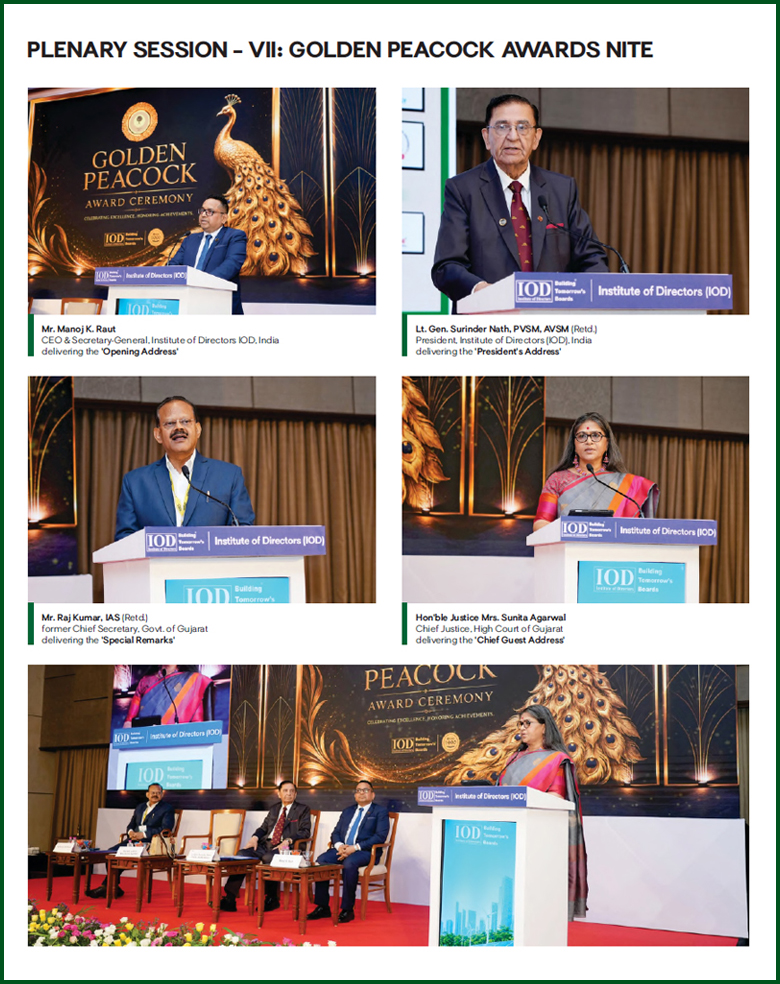
The session had the following Distinguished Speakers:
1. Prof. (Dr.) Rajul K. Gajjar
Vice Chancellor
Gujarat Technological University (GTU)
2. Mr. Piyush Kothari
Executive Director & CEO
Shivalik Fund
3. Prof. (Dr.) Sameer Sood
Director
National Institute of Fashion Technology (NIFT) Gandhinagar
Prof. (Dr.) Gajjar highlighted that the traditional linear economic model of "take, make, use and dispose" must give way to a circular economy that prioritises durability, reuse, remanufacturing, recycling and the extended lifecycle of materials. Using the example of discarded mobile phones, she emphasised the need to recover valuable materials from electronic waste before final disposal, transforming waste into wealth through efficient resource management. She observed that achieving a circular economy requires technological innovation, including advanced material separation techniques, artificial intelligence-driven waste sorting, robotics, digital tracking platforms and urban mining technologies. She also highlighted the growing importance of circular business models centred on product-as-a-service, refurbishment, remanufacturing and reverse logistics networks. Drawing on everyday practices in Indian households, she remarked that the principles of the circular economy are already deeply embedded in Indian culture and should now be formalised into scalable business models. Speaking about Gujarat Technological University (GTU), Prof. (Dr.) Gajjar underscored the importance of interdisciplinary collaboration through incubation centres, start-up ecosystems and regional innovation hubs. She concluded by stressing that organisations and educational institutions must look beyond individual product lifecycles and adopt a holistic approach to resource management through research, innovation and curriculum development.
Mr. Kothari emphasised that climate volatility has evolved beyond an environmental concern into a governance, capital and balance sheet issue, making sustainability a strategic imperative for the real estate sector. He observed that while real estate has long been a major driver of India's economic growth and employment, it also has a significant environmental footprint, requiring developers to balance sustainability with economic viability. Highlighting Gujarat's GIFT City and Dholera as examples of integrated sustainable infrastructure, he noted that thoughtful planning, efficient design and prudent capital allocation can create climate-resilient urban ecosystems. Drawing on his own Shivalik Group's experience, Mr. Kothari shared initiatives including the delivery of more than 200 green homes, the development of a zero-waste corporate office and the adoption of an end-to-end asset management model that reduces lifecycle costs while improving operational sustainability. He stressed that the future of real estate lies in smart buildings, climate resilience and integrated mixed-use developments. Concluding his address, he affirmed that sustainability, economic viability and industrial returns can coexist, provided all stakeholders collectively commit to developing future-ready, environmentally responsible and commercially sustainable projects.
Prof. (Dr.) Sood emphasised that the textile industry should be viewed not merely for its economic contribution but as one of India's largest employment generators, providing livelihoods to more than 45 million people. Reflecting on India's rich textile heritage, he noted that the country once accounted for nearly 40 per cent of the global textile trade and pioneered concepts such as Ayurvastra and Khadi, demonstrating a long-standing tradition of sustainable textiles founded on the principles of economic growth, equity and environmental stewardship. He stressed that embracing circular business models is essential to enhancing the competitiveness of the modern textile sector, particularly in the face of increasing raw material scarcity. Describing textile waste as both a challenge and an opportunity, Prof. (Dr.) Sood observed that India generates approximately 1.7 million tonnes of textile waste annually, representing an estimated economic value of nearly C99,000 crore, much of which could be recovered through recycling and reuse. He cited Surat's initiative of converting 2.2 crore PET bottles into textile products as a model example of circularity in practice. Concluding, he underscored the importance of strengthening textile waste collection systems in collaboration with local authorities to create a more sustainable, circular and resource-efficient textile ecosystem.
This was followed by an interactive Q&A Session.
PLENARY SESSION – VII
DEVELOPMENT OF CIRCULAR BUSINESS MODELS & RESPONSIBLE RESOURCE USE
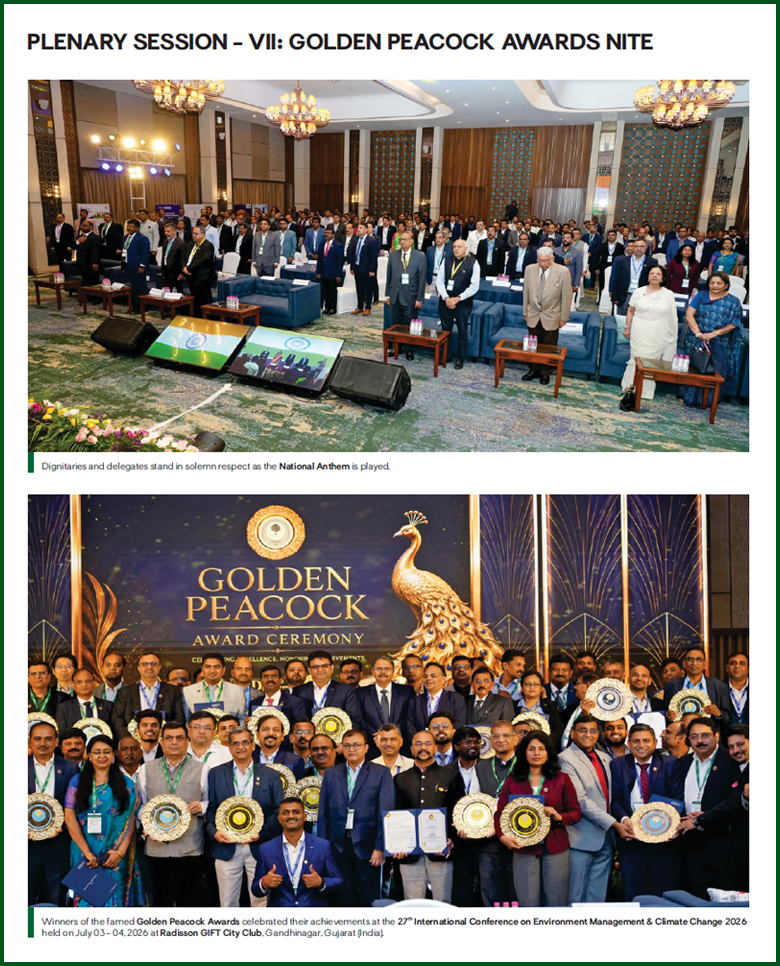
The 'Opening Address' was delivered by:
Mr. Manoj K. Raut
Secretary General & CEO
Institute of Directors (IOD)
Mr. Raut remarked that while some occasions celebrate success and achievement, the evening's ceremony celebrated responsibility, recognising organisations that had achieved success because they chose to lead responsibly and sustainably. He observed that the Golden Peacock Awards honour institutions that have demonstrated excellence in environmental stewardship, workplace safety, innovation, and responsible business practices, thereby strengthening public trust and enhancing brand equity. Acknowledging the presence of Hon'ble Justice Mrs. Sunita Agarwal, he highlighted the judiciary's significant contribution in shaping India's environmental jurisprudence and advancing the nation's commitment to sustainable development. Mr. Raut noted that the parameters of corporate leadership have evolved, with Boards now deliberating on net-zero commitments, ESG, climate governance, cybersecurity, artificial intelligence, human rights, and corporate reputation alongside financial performance. He emphasised that businesses today compete not only for market share but also for public trust, with investors increasingly concerned not merely with how much companies earn, but how those earnings are generated. Reflecting on the significance of hosting the ceremony at GIFT City, he described the venue as a symbol of India's confidence, ambition, and readiness to lead on the global stage. Concluding his address, Mr. Raut observed that awards do not create excellence; rather, excellence creates awards, and the Golden Peacock Awards are designed to recognise and celebrate that excellence.
The 'President's Address' was delivered by:
Lt. Gen. Surinder Nath, PVSM, AVSM (Retd.)
President
Institute of Directors (IOD)
Gen. Nath welcomed Hon'ble Justice Mrs. Sunita Agarwal, Chief Justice of the High Court of Gujarat, and highlighted the enduring legacy of the Golden Peacock Awards (GPA) as a benchmark of Corporate Excellence. He noted that the Awards, evaluated through a rigorous, transparent and independent assessment process under the chairmanship of Hon'ble Justice Uday U. Lalit, former Chief Justice of India, are recognised not merely as an acknowledgement of achievement but as a symbol of organisational credibility, governance excellence and an unwavering commitment to high standards. Congratulating the recipients of the 2026 Golden Peacock Awards, Gen. Nath observed that their accomplishments reflected vision, commitment, innovation and disciplined execution. He concluded by requesting Hon'ble Justice Mrs. Sunita Agarwal to confer the Awards and deliver her Special Address to the large distinguished gathering.
The 'Special Remarks' were given by:
Mr. Raj Kumar, IAS (Retd.)
former Chief Secretary
Government of Gujarat
Mr. Kumar described the Golden Peacock Awards as far more than a trophy, characterising them as an internationally acclaimed gold standard for corporate excellence, institutional integrity, and visionary leadership. He remarked that the ceremony celebrated not merely financial success, but also India's finest achievements in sustainability and responsible business. Congratulating the award recipients, he observed that they had chosen the demanding yet rewarding path of good governance, innovation, and sustainable business practices. Looking across the audience, he described the participating delegates as the architects of India's economic future, noting that while GIFT City symbolises the country's growing global integration, the leaders gathered there represent the ethical foundations essential to sustaining that growth. He concluded by congratulating all the award recipients and reaffirming the importance of responsible leadership in building a resilient, sustainable, and prosperous future for India.
The 'Chief Guest Address' was delivered by:
Justice Mrs. Sunita Agarwal
Hon'ble Chief Justice
Gujarat High Court
Justice Mrs. Agarwal emphasised that environmental management has evolved beyond regulatory compliance and corporate social responsibility to become a central pillar of governance, strategy, and long-term institutional resilience. Referring to the Supreme Court of India's recognition of the Fundamental Right to be free from the adverse effects of climate change, she observed that while the law addresses violations after they occur, the primary responsibility for preventing environmental harm rests with institutions that govern with foresight. She noted that Boards must extend their accountability beyond shareholders to encompass environmental consequences and long-term institutional resilience. Justice Agarwal identified three critical governance choices for Boards: balancing economic growth with environmental responsibility; moving from climate disclosure to genuine accountability; and thoughtfully adapting global sustainability standards to India's unique developmental realities. She stressed that effective governance requires principled, long-term decision-making capable of reconciling competing priorities simultaneously strengthening institutional trust and stakeholder confidence. Concluding her address, she remarked that environmental governance is not a constraint on business success but a foundation for sustainable growth. Congratulating the recipients of the Golden Peacock Awards, she commended them for setting exemplary standards in environmental management, energy efficiency, occupational health, and eco-innovation. She further observed that such recognition celebrates not only organisational excellence but also the values and leadership that shape responsible, resilient, and enduring institutions.
This was followed by the presentation of Golden Peacock Awards (GPA) for Occupational Health & Safety, Environment Management, Energy Efficiency & Eco-Innovation - 2026.
DAY 2
PLENARY SESSION – VIII (A)
SUCCESS STORIES ON EFFECTIVE IMPLEMENTATION OF OCCUPATIONAL HEALTH & SAFETY (OH&A)
The 'Special Address' was delivered by the Session Chair:
Mr. Nayan Parikh
Management Consultant, Author and Thought Leader
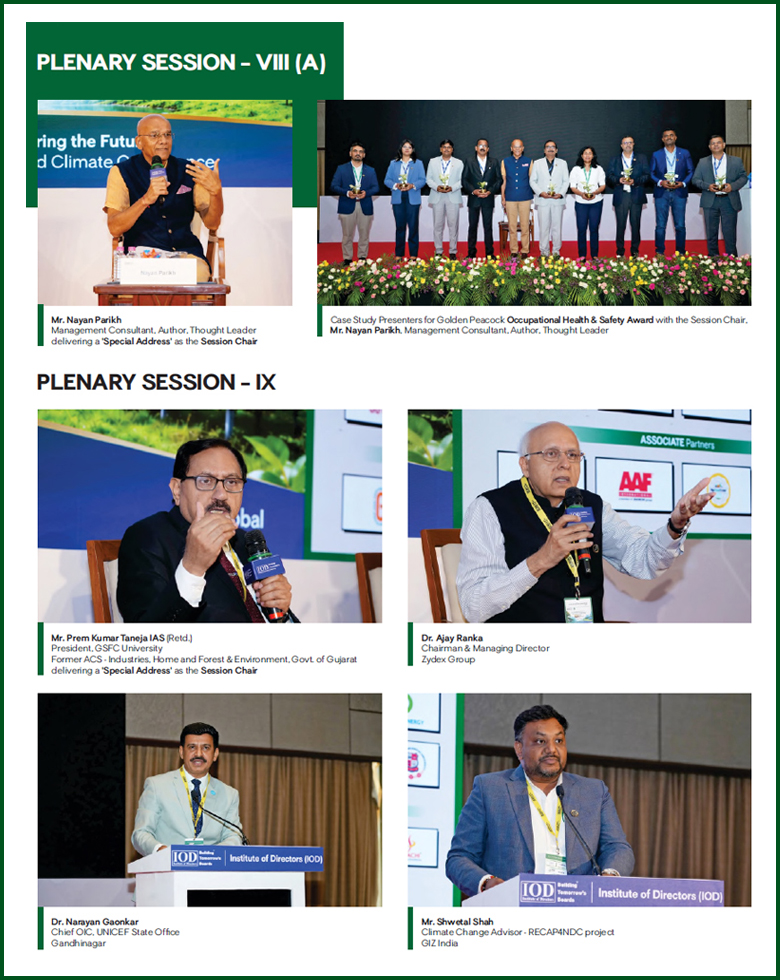
Mr. Parikh highlighted the remarkable transformation of Indore into India's cleanest city, attributing its success not merely to administrative initiatives but to a strong sense of civic ownership and collective responsibility. Drawing on his experience as a Board Member of the Indore Smart City project, he shared two real-life incidents to illustrate how public accountability had become deeply embedded in the city's culture. In one instance, a woman who littered outside a café issued a public apology following widespread criticism on social media. In another, a student was required to retrieve a discarded snack wrapper and pay a fine before being allowed to continue his journey. These examples, he observed, demonstrated how collective accountability can drive lasting behavioural change. Mr. Parikh noted that Indore has retained its position as India's cleanest city for eight consecutive years through 100 per cent segregation of wet and dry waste, zero-landfill practices, improved air quality, cleaner water bodies, and the establishment of Asia's largest biogas plant, which converts wet waste into fuel for municipal buses and organic fertiliser for farmers. Stressing that lasting transformation begins with visionary leadership, he highlighted that every successful movement starts with one determined individual before evolving into a collective mission. He encouraged other Indian cities to replicate the 'Indore model', asserting that with committed leadership, active public participation, and disciplined waste management, similar success can be achieved across the country.
The Session had the following presenters:
1. Coromandel International Limited
2. TATA Motors Limited
3. Genau Extrusions Private Limited
4. Navin Flourine Advanced Sciences Limited
5. Panasonic Life Solutions India Private Limited
6. DC Development Hyderabad Limited
(AdaniConnex Private Limited)
7. ITC Limited
8. GAIL (India) Limited
9. Tristar Transport LLC, UAE
PLENARY SESSION – VIII (B)
SUCCESS STORIES ON EFFECTIVE IMPLEMENTATION OF OCCUPATIONAL HEALTH & SAFETY (OH&A)
The session had the following presenters:
1. Hindustan Petroleum Corporation Limited
2. Bharat Petroleum
3. Grasim Industries Limited
4. NTPC Limited
5. Saatvik Green Energy Limited
6. CleanMax Enviro Energy Solutions Limited
7. The Tata Power Company Limited
8. Bangalore International Airport Limited
PLENARY SESSION – IX
SUCCESS STORIES ON EFFECTIVE IMPLEMENTATION OF OCCUPATIONAL HEALTH & SAFETY (OH&A)
The Session was chaired by:
Mr. Prem Kumar Taneja, IAS (Retd.)
President, GSFC University
Former ACS – Industries, Home and Forest & Environment Government of Gujarat
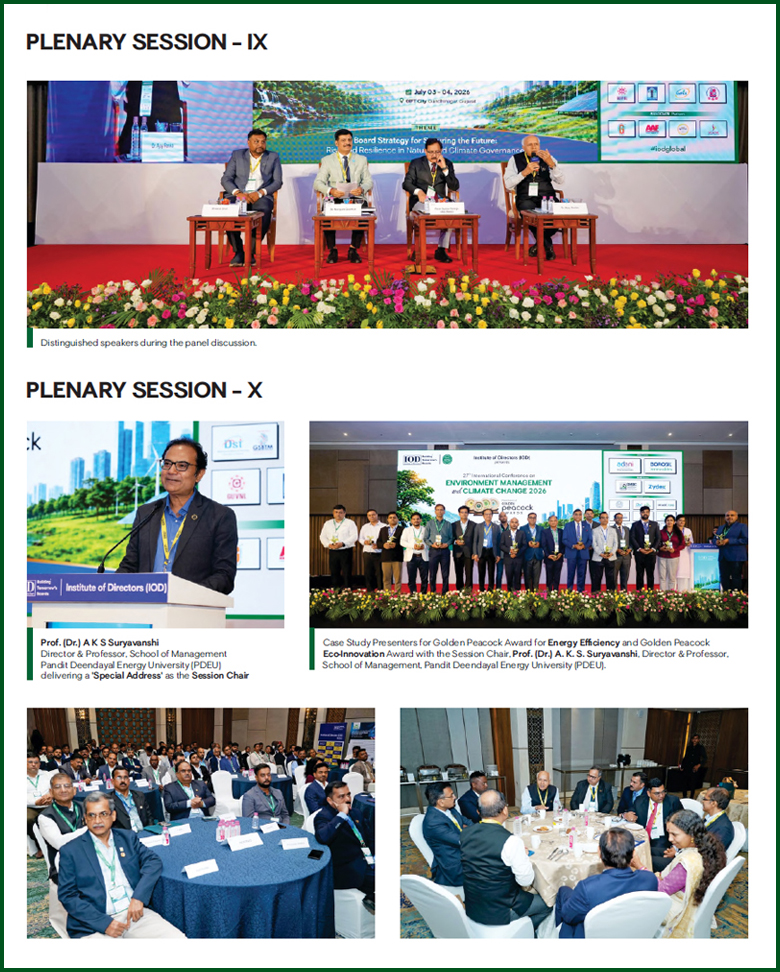
Mr. Taneja emphasised that green finance and sustainable capital allocation are fundamental to accelerating the global energy transition, highlighting the Board's responsibility to integrate sustainability into long-term corporate strategy. Drawing on his extensive experience across the chemical, power and energy sectors, he informed that while concepts such as net zero, zero discharge, and climate-aligned investments have gained prominence only in recent years, Boards are now increasingly recognising their strategic importance. He noted that policy decisions relating to sustainable investments, climate risk oversight, and capital allocation must remain central to Board deliberations, with both independent and executive directors sharing responsibility for ensuring effective governance. Citing the Vadodara Municipal Corporation's successful issuance of Green Climate Bonds as a notable example, he explained how innovative financing mechanisms can mobilise substantial resources for sustainable development projects. He further stressed that Boards must adopt a long-term perspective rather than focusing solely on short-term financial performance, drawing on his experience with organisations such as Gujarat Alkalies and Chemicals Limited (GACL), GSFC, and the Deepak Group. Mr. Taneja also highlighted the growing importance of enterprise risk management, climate risk assessment, ESG disclosures, third-party assurance, and performance-linked incentives in strengthening corporate resilience and accountability. Concluding his remarks, he observed that although the transition to a sustainable economy is complex, a robust ecosystem of green finance instruments, regulatory frameworks, and institutional enablers is steadily supporting organisations in advancing sustainability, strengthening resilience, and embedding responsible business practices into long-term value creation.
The session had the following Distinguished Speakers:
1.Dr. Ajay Ranka
Chairman & Managing Director
Zydex Group, India
2. Narayan Goenka
Chief OIC, UNICEF State Office
Gandhinagar
3. Mr. Shwetal Shah
Climate Change Advisor – RECAP4NDC project, GIZ India
Mr. Ranka emphasised that sustainable investment begins with a Board's ability to identify the long-term risks that could render its business model obsolete. According to him, profitability and sustainability are not competing objectives but complementary goals, with long-term value creation benefiting shareholders, employees, society, and government alike. He argued that Boards should evaluate every strategic decision through the lens of organisational wellbeing, building workplaces that prioritise employee welfare and cultivate an inclusive, collaborative culture rather than traditional hierarchical structures. He stressed that sustainable organisations are built on strong values, a shared sense of purpose, and a clear understanding of emerging global megatrends, enabling Boards to allocate capital with a long-term perspective rather than pursuing short-term gains. Mr. Ranka also highlighted critical national priorities, including water security, groundwater conservation, nutrition, and sustainable agriculture, urging organisations to invest in community development through initiatives such as village adoption and organic farming. He further called for transformative reforms in education, advocating a shift from rote learning to cultivating critical thinking and lifelong learning. Concluding, he urged Boards to embrace sustainability as a holistic commitment encompassing environmental stewardship, human development, organisational culture, and national progress, thereby creating resilient businesses and contributing to a stronger and more prosperous India.
Mr. Goenka observed that while India and the global community have made remarkable progress in reducing neonatal and maternal mortality, climate change and environmental degradation now threaten these hard-earned development gains, particularly for children. He highlighted that nearly 26 per cent of deaths among children under the age of five are linked to environmental health hazards, including air pollution, toxic chemicals, heavy metals, and unsafe waste disposal. Drawing attention to children's heightened vulnerability, he noted that sustained exposure to pollutants such as lead, arsenic, and mercury can severely impair brain development, learning ability, and long-term health. He stressed that the first 1,000 days of a child's life are critical, as toxic exposure during this period can cause irreversible developmental damage, ultimately affecting the nation's future human capital. Mr. Goenka urged organisations to recognise climate resilience as a boardroom priority and to regard investments in children's health, education, and community resilience as investments in long-term economic growth. He advocated that green finance should not only support emission reductions but also strengthen community resilience and protect vulnerable populations. Emphasising the importance of collaboration, he called for stronger partnerships between government, industry, development organisations, and communities to advance climate adaptation. He concluded by encouraging Boards to move beyond short-term CSR initiatives towards long-term sustainability strategies, integrate child and community resilience indicators into sustainability reporting, and place children at the centre of investment decisions. Protecting children from climate risks, he observed, strengthens communities, enhances economic productivity, and advances the Sustainable Development Goals, reaffirming that a healthy childhood will foster a healthy planet.
Mr. Shah emphasised that climate finance has become central to achieving sustainable investment and advancing climate-aligned development. Referring to 2026 as a year marked by geopolitical conflict and the impact of El Niño, he observed that extreme weather events, including heatwaves across Europe and delayed monsoons in India, have reinforced the urgency of climate action. He highlighted India's commitment to reducing the emissions intensity of its GDP while sustaining economic growth, noting that every sector of the economy has a role to play in this transition. Explaining the global climate finance gap, he observed that the challenge lies not only in mobilising sufficient finance to achieve the objectives of the Paris Agreement but also in ensuring adequate investment in climate adaptation. Citing the increasing demand for air conditioning in traditionally cooler parts of Europe, he illustrated how adaptation finance is becoming an increasingly important priority. Referring to the Economic Survey 2025–26, he noted that climate finance must extend beyond renewable energy to support adaptation measures, urban resilience, MSMEs, and hard-to-abate industries. Mr. Shah also underscored the importance of the energy transition in strengthening both climate resilience and national energy security. Highlighting Gujarat's success in scaling up solar energy, he observed that supportive government policies had significantly reduced the cost of solar power, making it among the most affordable sources of energy. He concluded by advocating greater investment in preventive measures, including groundwater management, watershed development, freshwater conservation, and coastal ecosystem restoration, arguing that prevention delivers substantially greater economic and environmental returns than remediation. Effective communication and collaborative initiatives, he observed, are essential to maximising the impact of climate finance and accelerating sustainable development.
PLENARY SESSION – X (A)
SUCCESS STORIES ON EFFECTIVE IMPLEMENTATION OF 'ENERGY EFFICIENCY'
The 'Special Address' was delivered by the Session Chair:
Prof. (Dr.) AKS Suryavanshi
Director & Professor, School of Management
Pandit Deendayal Energy University (PDEU)
Prof. (Dr.) Suryavanshi emphasised that energy efficiency should be regarded as a strategic management tool rather than merely a technical initiative. He observed that organisations can significantly enhance both environmental management and financial performance by systematically optimising energy consumption across their operations. Reducing energy wastage, he further noted, not only lowers operational costs but also contributes directly to reducing greenhouse gas emissions and advancing national sustainability objectives. He urged industries to adopt energy-efficient technologies, modern monitoring systems, and data-driven decision-making to drive continuous improvement. Prof. Suryavanshi further stressed that leadership commitment is essential for the successful implementation of energy management programmes. He advocated the establishment of measurable energy performance indicators, regular energy audits, and greater employee participation in conservation initiatives, supported by ongoing training and awareness programmes to foster a culture of shared responsibility. He also highlighted the importance of integrating renewable energy, digital technologies, automation, and smart energy management systems into overall industrial operations to enhance productivity, strengthen resilience, and improve long-term competitiveness. Concluding his address, he observed that energy efficiency remains one of the most cost-effective pathways to achieving sustainable industrial development while balancing economic growth with environmental responsibility.
The session had the following presenters:
1. TATA Motors Passenger Vehicles Limited
2. UltraTech Cement Limited
3. Indorama India Private Limited
4. GAIL (India) Limited
5. Ammunition Factory Khadki
(Unit of Munitions India Limited)
6. Apollo Specialty Hospitals
7. Reliance Corporate IT Park Limited
8. Tata Consultancy Services Limited
9. Bharat Petroleum Corporation Limited
10. Kansai Nerolac Paints Limited
11. Biocon Limited
12. BSES Yamuna Power Limited
13. Nabha Power Limited
14. Gujarat Industries Power Company Limited
15. JSW JFE Steel Limited
PLENARY SESSION – X (B)
SUCCESS STORIES ON EFFECTIVE IMPLEMENTATION OF ECO-INNOVATION
The presenter of the session was:
1. Butterfly Gandhimathi Appliances Ltd.
The Institute of Directors (IOD), India expresses its sincere gratitude to all its partners for their invaluable support.
The IOD also would like to place on record its deep appreciation for the unwavering support and encouragement extended by the State Government and its various high-performing State enterprises to make the first-ever international event in the State of Gujarat.
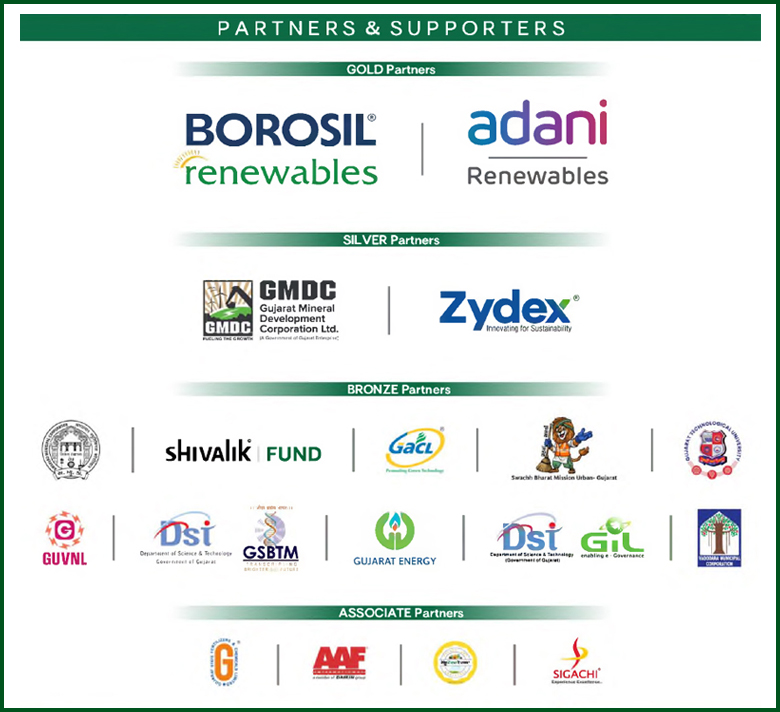
Our GOLD Partners:
1. Borosil Renewables Limited
2. Adani Green Energy Limited
Our SILVER Partners:
1. Zydex Industries
2. Gujarat Mineral Development Corporation Limited
Our BRONZE Partners are:
1. Gujarat Urja Vikas Nigam Limited
2. Gujarat Alkalies and Chemicals Limited
3. Swachh Bharat Mission Urban – Gujarat
4. Gujarat Informatics Limited
5. Ahmedabad Municipal Corporation
6. Vadodara Municipal Corporation
7. Gujarat State Biotechnology Mission
8. Gujarat Energy Limited
9. Shivalik Group
10. Gujarat Technology University
Our ASSOCIATE Partners:
1. American Air Filter International
2. Gujarat State Fertilizers & Chemicals Limited
3. Sigachi Industries Limited
4. MyEcoTour
This report was compiled by:
Mr. Ashok Kapur, IAS (Retd.)
Director General Institute of Directors (IOD)
&
Ms. Violina Das
Assistant Editor – Director Today, and Assistant Manager – Communications Board Research & Advisory
Institute of Directors (IOD)
 Back to Home
Author

Institute of Directors India
Bringing a Silent Revolution through the Boardroom
Institute of Directors (IOD) is an apex national association of Corporate Directors under the India's 'Societies Registration Act XXI of 1860'. Currently it is associated with over 31,000 senior executives from Govt, PSU and Private organizations of India and abroad.
Owned by: Institute of Directors, India
Disclaimer: The opinions expressed in the articles/ stories are the personal opinions of the author. IOD/ Editor is not responsible for the accuracy, completeness, suitability, or validity of any information in those articles. The information, facts or opinions expressed in the articles/ speeches do not reflect the views of IOD/ Editor and IOD/ Editor does not assume any responsibility or liability for the same.