 Quick Links
 Connect us

 Directors Databank (Empannel Yourself)
 Become a
  Become a
  Blog
Blog
 Become an Awards Assessor
 Publications
 Contact Us







How to Prepare Yourself for the Boardroom: Reimagining Board Readiness in an Era of Strategic Disruption

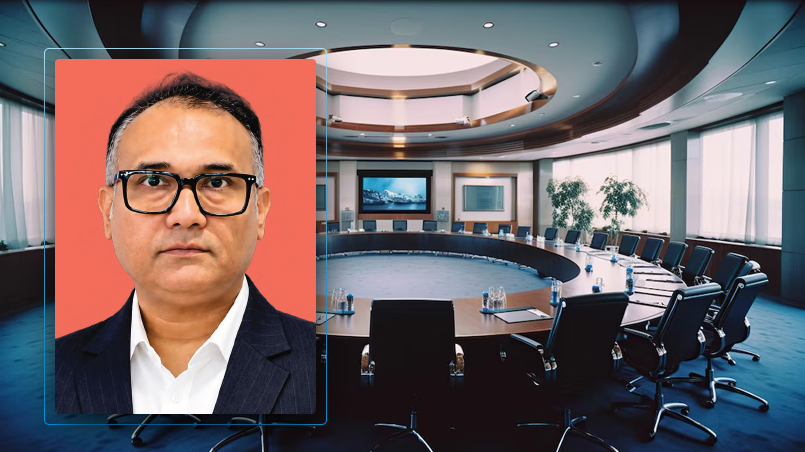
The modern boardroom has evolved from a compliance-focused forum into a strategic nerve centre where judgment, ethics, and long-term value creation intersect. Directors today must navigate complexities of geopolitical shifts, digital disruption, ESG expectations, and heightened stakeholder scrutiny-often amid uncertainty. Board readiness, therefore, is not defined by credentials alone but by the ability to think strategically, act responsibly, and lead with integrity.
Understanding the Expanded Mandate
Boards now operate across strategy, risk, performance, and purpose. The shift toward stakeholder-centric governance requires directors to go beyond oversight and actively shape outcomes. This includes challenging strategy, anticipating enterprise risks, safeguarding culture and ethics, and ensuring leadership continuity. Preparing for this role requires a transition from operational expertise to strategic stewardship.
Building Strategic Foresight
Effective directors anticipate disruption rather than react to it. This demands awareness of macroeconomic trends, technological advancements such as AI, regulatory shifts, and cross-industry dynamics. Board-ready professionals cultivate the ability to question assumptions, assess second-order impacts, and make sound decisions under ambiguity. Strategic foresight is less about prediction and more about preparedness.
Strengthening Financial and Governance Acumen
Financial literacy is essential. Directors must understand financial statements, capital allocation, and the linkage between strategy and performance. Equally important is governance fluency-knowledge of fiduciary duties, regulatory frameworks, and board processes. True effectiveness lies in applying this knowledge with judgment, ensuring decisions withstand scrutiny from regulators, investors, and the public.
The ability to balance courage with collaboration is critical. Thoughtful dissent strengthens decision-making and reduces risk.
Practicing Constructive Dissent
High-performing boards rely on independent thinking. Directors must be able to challenge management constructively asking difficult questions while maintaining trust and respect. The ability to balance courage with collaboration is critical. Thoughtful dissent strengthens decision-making and reduces risk.
Viewing ESG as Strategy
ESG is no longer a compliance exercise; it is a strategic imperative. Climate risk, social responsibility, and governance practices directly influence long-term value. Board-ready professionals understand how ESG integrates with strategy, risk management, and performance, and recognize it as a driver of resilience and competitiveness rather than a constraint.
Embracing Technology Oversight
Technology is central to boardroom discussions. Cybersecurity, data privacy, and AI ethics require informed oversight. While directors need not be technical experts, they must be sufficiently literate to evaluate risks, question investments, and understand the broader implications of digital transformation.
Developing Boardroom Presence
Influence in the boardroom is built on clarity, composure, and judgment-not volume. Effective directors listen actively, synthesize complex issues, and contribute with precision. Knowing when to speak-and when not to-is a critical skill. Gravitas and thoughtful engagement often carry more weight than frequent intervention.
Upholding Ethics and Reputation
A director's credibility is inseparable from organizational trust. Integrity, ethical judgment, and the courage to take principled stands are essential. In times of crisis, these qualities define leadership. Reputational risks often precede financial consequences, making ethical vigilance a core responsibility.
Committing to Continuous Learning
Board readiness is an ongoing process. Directors must stay updated on governance, sustainability, and emerging risks while remaining open to feedback and self-reflection. Awareness of personal biases and a commitment to learning enhance effectiveness over time.
Conclusion
Preparing for the boardroom is ultimately about stewardship-of capital, people, and purpose. While qualifications may open doors, it is preparation that builds credibility and influence. In a rapidly changing environment, effective directors are those who think independently, act ethically, and govern with accountability. The boardroom is not about authority-it is about responsibility, and preparation is its foundation.
 Back to Home
Author

Dr. Arindam Mandal
Dr. Arindam Mandal is a seasoned ?nance and governance leader with a Doctorate in Business Administration & Finance and an alumnus of IIM Indore. Director–India and Chairman at Bridgetree India, he is an IOD Certi?ed Corporate Director & ESG Professional, and POSH Practitioner, committed to ethical, sustainable, and purpose-driven leadership.
Owned by: Institute of Directors, India
Disclaimer: The opinions expressed in the articles/ stories are the personal opinions of the author. IOD/ Editor is not responsible for the accuracy, completeness, suitability, or validity of any information in those articles. The information, facts or opinions expressed in the articles/ speeches do not reflect the views of IOD/ Editor and IOD/ Editor does not assume any responsibility or liability for the same.