 Quick Links
 Connect us


 Directors Databank (Empannel Yourself)
 Become a
  Become a
  Blog
Blog
 Become an Awards Assessor
 Publications
 Contact Us







AI is the biggest riser in this year's annual survey. It jumps from tenth to second place after cyber issues, highlighting the emerging risks for companies in almost all industry sectors. Confronting cyber and AI risks and threats is a strategic issue for corporate boards and an operational concern for business executives.
Read more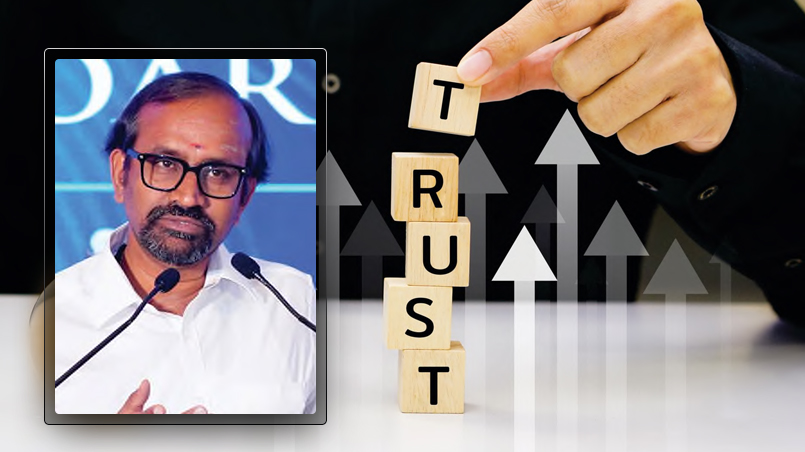
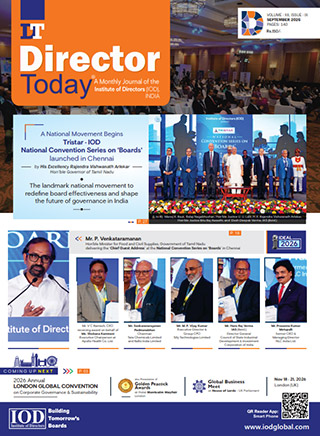
Through its thought leadership, director development programmes, governance publications and national forums, it has been constantly encouraging responsible leadership and board excellence. I am particularly delighted that Chennai has been chosen to host the inaugural edition of the National Convention on 'Boards' Series.
Read more
After my initial stint as a Sub-Collector, I was immediately given a very challenging opportunity. To be very frank, it was a newly created opportunity. It was not even a career post; it was a post created in Rameswaram as the Project Director of Palk Bay Fisheries.
Read more
As a global integrated logistics and energy company operating across diverse geographies, we have witnessed first-hand how resilient governance enables organisations to navigate uncertainty, seize emerging opportunities and create enduring value.
Read more
The winners of tomorrow will be those who can connect capabilities, build bridges, share knowledge, create ecosystems that are larger and more capable than any individual organisation, and this has an important message. The future of competition is increasingly the competition between ecosystems.
Read more
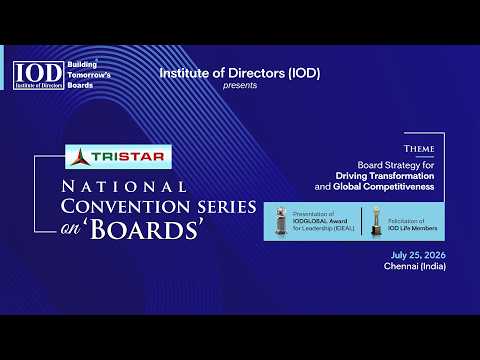
To formally commence this crucial national endeavour, the Institute of Directors (IOD), on July 25, 2026, under the theme "Board Strategy for Driving Transformation and Global Competitiveness," was hosted where India's boardrooms were handed a blunt verdict: The Old Playbook is Over.
Read more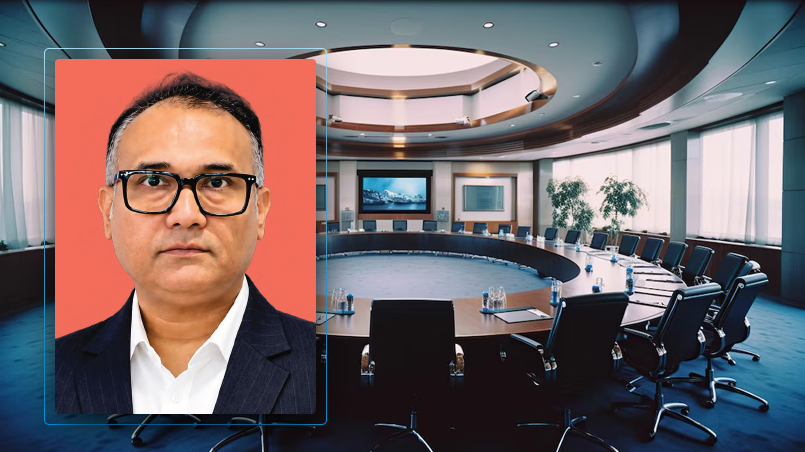
The modern boardroom has evolved from a compliance-focused forum into a strategic nerve centre where judgment, ethics, and long-term value creation intersect. Directors today must navigate complexities of geopolitical shifts, digital disruption, ESG expectations, and heightened stakeholder scrutiny-often amid uncertainty.
Read more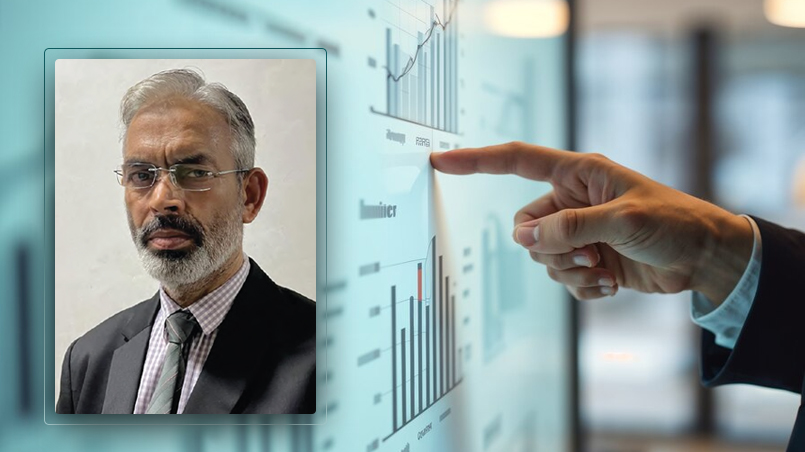
Companies often blame markets, competitors, or pricing pressures. But when we walk through the shop floor, review processes, and talk to the people doing the work, the real story emerges: inefficiencies, inconsistencies, and unmanaged variation quietly erode profits every day.
Read more
I'm working toward this role myself someday, and the more I study what independent directors do versus what they're supposed to do, the more I see a problem nobody talks about: You're supposed to watch over management, but management controls almost everything you know about the company.
Read more
Leadership exits, especially those that attract public attention, are among the most sensitive reputation events an organisation can face. They rarely remain confined to the individual. Almost instantly, they expand into questions around governance, culture, and oversight.
Read moreAbout Us
Institute of Directors (IOD) is an apex national association of Corporate Directors under the India's 'Societies Registration Act XXI of 1860'. Currently it is associated with over 30,000 senior executives from Govt, PSU and Private organizations of India and abroad.
Categories