 Quick Links
 Connect us



 Directors Databank (Empannel Yourself)
 Become a
  Become a
  Blog
Blog
 Become an Awards Assessor
 Publications
 Contact Us







Today when the AI and its innovative tools are fast emerging as drivers of not only operational excellence but are significantly helping in strategic decisions and in building competitive advantage, leadership roles in the entire context of corporate governance are required to be revisited and transformed.
Read more
AI is the biggest riser in this year's annual survey. It jumps from tenth to second place after cyber issues, highlighting the emerging risks for companies in almost all industry sectors. Confronting cyber and AI risks and threats is a strategic issue for corporate boards and an operational concern for business executives.
Read more
As corporates race toward the September 30 deadline, we are yet to see whether the needle has moved from frantic box-ticking to real accountability, something our new generation of emotionally conscious citizens and environment activists will also demand & perhaps approve.
Read more
Human, eco-system and planetary health are inter-related. Pollution of the environment, biodiversity loss and climate change are also important drivers of the emergence and spread of disease. Life forms adapt in differing ways and at varying speeds. We can learn from species with whom we have a common ancestry.
Read more
Climate change has emerged as one of the defining governance challenges of our time. Increasingly frequent extreme weather events, disruptions to supply chains, resource scarcity, and evolving stakeholder expectations are reshaping the global business landscape.
Read more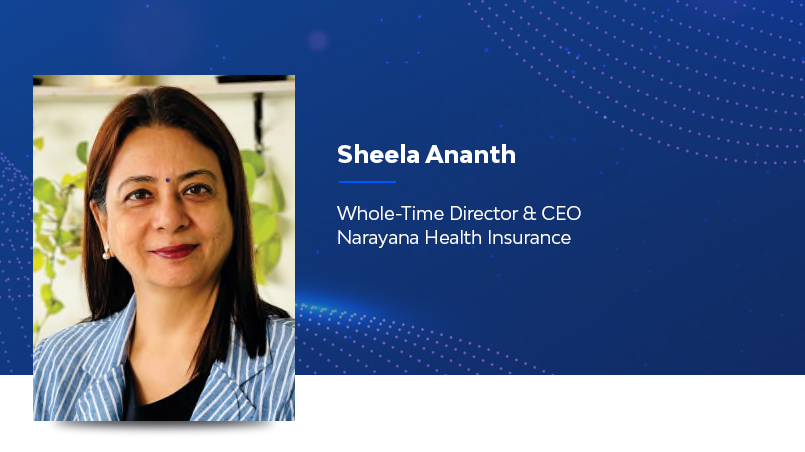
Health insurance literacy in India is facing a significant challenge. It is not merely a rural issue. It is an urban issue, a professional issue, and perhaps most importantly, a women's issue. Until we recognise the problem clearly, we risk designing solutions for the wrong diagnosis.
Read more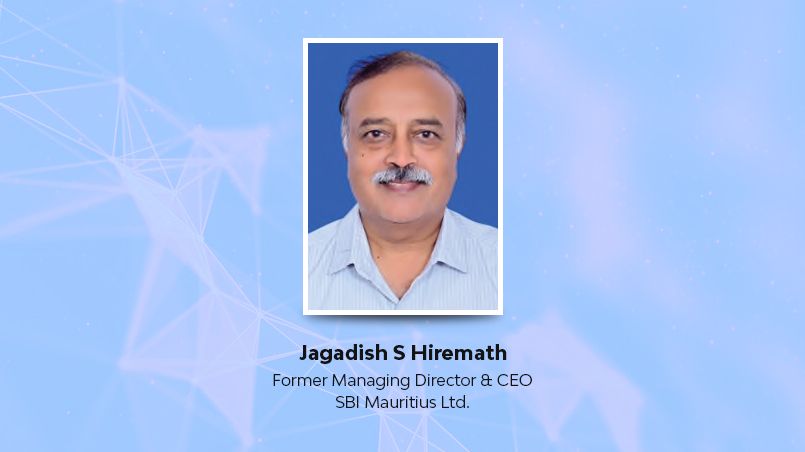
What I found when I arrived was this: there was a very simplified Board framework at SBIML with only one Committee viz ECOD (Executive Committee of Directors). No Audit Committee. No Nomination and Remuneration Committee. No Risk Management Committee.
Read more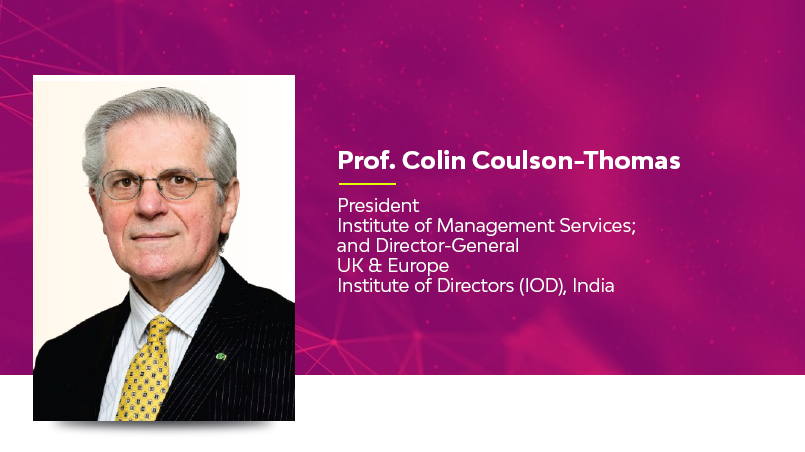
Investigations of insolvencies can reveal deficiencies in the attention given to basics such as monitoring cash flows and critical trends or anticipating pressure points on the ability to meet financial commitments as they fall due.
Read more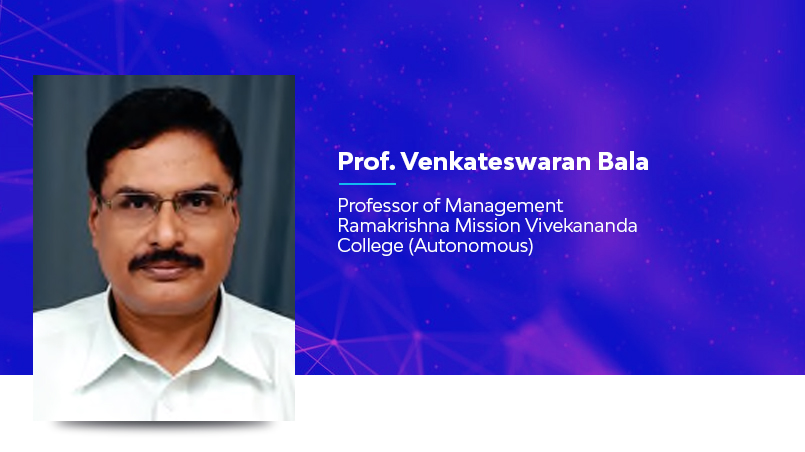
Boardroom functions of the corporate companies play a significant role in the arena of critical governance of late, as the operations of the companies have become highly complex owing to extremely demanding regulatory stipulations, often leading to the need for a systemic evaluation of the processes, emerging technological disruptions and vigilance with a defined strategy.
Read more
The Institute Of Directors (IOD) organised a Conference on Business Excellence and Leadership on the theme, 'Board Leadership for Competitive Advantage' on 14th May, 2026 in New Delhi.
Read moreCategories